Deutsch
  English
  Nederlands
  Français
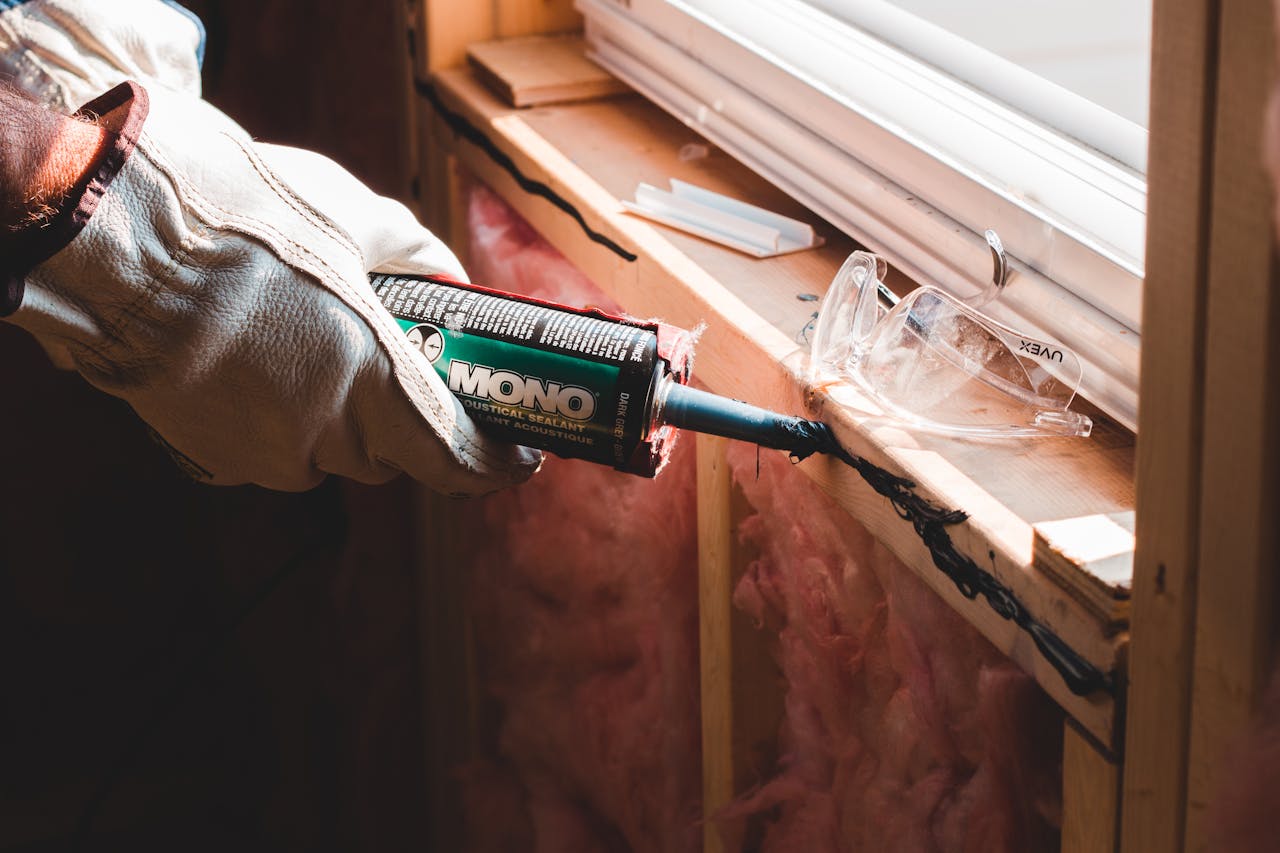
Die regnerischen Monate in Belgien können ein Projekt schon vor dem eigentlichen Beginn verzögern. Jeder, der im Freien oder in unbeheizten Innenräumen arbeitet, weiß, dass sich bei anhaltendem Regen alles etwas schwieriger anfühlt. Das betrifft auch das Verhalten unserer Materialien beim Kontakt mit Oberflächen.
Auch Bauklebstoffe bilden da keine Ausnahme. Was sich an einem trockenen Frühlingstag normal verhält, kann im Februar schlecht aushärten, sich verschieben oder ablösen. Das liegt nicht am Produkt selbst, sondern vielmehr am Wetter und dessen Auswirkungen auf die zu bearbeitenden Oberflächen. Kalte, feuchte Luft ist nicht nur unangenehm, sondern beeinträchtigt auch die Trocknungsgeschwindigkeit, die Haftung und die Dichtigkeit der Materialien. Indem wir verstehen, wie Feuchtigkeit die Bedingungen verändert, vermeiden wir Fehler und sparen Zeit auf der Baustelle.
Warum Feuchtigkeit die Wirkungsweise von Klebstoffen verändert
Bei nassem Wetter können wir uns nicht immer auf das verlassen, was trocken aussieht. Eine raue Ziegeloberfläche mag zwar bereit erscheinen, aber versteckte Feuchtigkeit kann eine ordnungsgemäße Haftung verhindern.
- Feuchte Oberflächen verhindern, dass Klebstoffe richtig haften. Wasser wirkt als Barriere und kann dazu führen, dass sich der Klebstoff später ablöst oder Blasen bildet.
- Feuchte Luft verlangsamt den Aushärtungsprozess. Produkte, die normalerweise über Nacht aushärten, benötigen unter Umständen die doppelte Zeit, um die gleiche Festigkeit zu erreichen.
- Kalte Temperaturen verschlimmern das Problem. Ziegel, Beton und Holz nehmen Feuchtigkeit bei Kälte unterschiedlich auf. Das bedeutet, dass der Klebstoff während des Aushärtungsprozesses ständigen Veränderungen ausgesetzt ist, da sich das Material ausdehnt und zusammenzieht.
Man unterschätzt leicht, welch große Rolle Luftfeuchtigkeit und Oberflächenfeuchtigkeit spielen können. Wir haben gelernt, dass selbst geringe Mengen versteckter Feuchtigkeit später zu größeren Problemen führen können.
Wie Klebstoffe auf saisonale Schwankungen reagieren
Im belgischen Spätwinter mögen die Tagestemperaturen erträglich erscheinen, doch die Materialien erholen sich noch von wochenlangem Kälteregen und wenig Licht. Dann beginnt sich das zu ändern.
- Mit Temperaturänderungen verhalten sich auch die Materialien. Verbindungen dehnen sich aus oder ziehen sich zusammen und bewegen sich gegen die Klebeverbindung. Die entstehende Spannung kann Klebstoffe spalten, die nicht ausreichend dehnbar oder flexibel sind.
- Wasserbeständige Klebstoffe sind haltbarer als Mehrzweckklebstoffe. Sie verrutschen oder lösen sich unter Belastung nicht so schnell.
- Manche Verbindungen sehen auf den ersten Blick perfekt abgedichtet aus, beginnen sich aber nach ein paar Tagen zu lösen, wenn die Luftfeuchtigkeit sinkt oder der nächste Kälteeinbruch kommt.
Wir haben dies häufig in der Nähe von Fenstern, Trennwänden oder Bodenfugen beobachtet. Während des Verklebens fühlte sich alles fest an, doch schon eine Woche später ist die Verbindung durch geringfügige Bewegungen beeinträchtigt.
Die Gegebenheiten vor Ort sind wichtiger als die Wettervorhersage.
Wir alle prüfen den Wetterbericht, aber selbst eine Trockenheitsanzeige bedeutet nicht, dass wir unter trockenen Bedingungen arbeiten.
- Stehendes Wasser vom vorangegangenen Regen kann noch lange nach dem Ende des Regens in Wände oder Böden eindringen. Eine Fuge mag sich trocken anfühlen, doch Feuchtigkeit versteckt sich in Ritzen und Spalten.
- Schattige Plätze speichern Feuchtigkeit oft länger. Auf dem Dach oder in einer Kellerecke trocknet alles viel langsamer als im Freien. Wir haben gelernt, diese Bereiche besonders an kälteren Tagen besonders gründlich zu kontrollieren.
- Milde Außenluft bedeutet nicht zwangsläufig warme Oberflächen. Beton, Fliesen und Metall können sich kalt anfühlen, was die Aushärtung des Klebstoffs verlangsamt oder Feuchtigkeit im Inneren einschließt.
Auch wenn wir unseren Tag nach einer sonnigen Wettervorhersage planen, überprüfen wir stets die tatsächliche Einsatzbereitschaft des Materials. Denn nur so lässt sich die Leistungsfähigkeit unserer Klebstoffe wirklich bestimmen.
Anzeichen dafür, dass der Klebstoff den Bedingungen in der feuchten Jahreszeit nicht standhält.
Manchmal verhält sich der Klebstoff einfach nicht richtig. Wenn etwas nicht stimmt, zeigt sich das normalerweise auf einige klare Arten.
- Wenn die Perle innerhalb der erwarteten Zeit nicht fest wird, war die Oberfläche wahrscheinlich zu kalt oder zu feucht. Ein schwammiges Gefühl nach 24 Stunden ist ein sicheres Zeichen dafür.
- Risse an den Rändern deuten oft auf eine Verschiebung hin. Möglicherweise hat sich der Untergrund nach dem Trocknen gelöst und dadurch eine noch nicht ausreichend vorbereitete Verbindung belastet.
- Abgelöste Kanten oder Ecken deuten meist auf Oberflächenprobleme hin. Es liegt selten daran, wie der Klebstoff aufgetragen wurde, sondern vielmehr am Untergrund.
Wir bemerken solche Schäden nicht immer sofort. Aber wenn wir erste Anzeichen sehen, ist es besser, die Dichtung zu entfernen und neu aufzutragen, als zu versuchen, eine defekte Fuge notdürftig zu flicken.
Wetterfeste Anleihen, die Arbeitsplätze sichern
Wir haben schon viele späte Winter erlebt, und eines ist klar: Nasse Bedingungen bedeuten nicht, dass die Arbeit eingestellt werden muss. Sie erfordern lediglich ein anderes Arbeitstempo und eine sorgfältigere Vorbereitung.
- Planung ist wichtig. Wir konzentrieren uns auf die Anwendung zur Mittagszeit, wenn die Temperaturen weniger extrem sind.
- Die Produktwahl ist entscheidend. Manche Klebstoffe haften gut in feuchter Luft, aber nicht alle vertragen wechselnde Materialien gleich gut.
- Sich Zeit zu nehmen, um die Oberflächenbeschaffenheit zu prüfen, spart später Zeit. Wer zu schnell mit der Arbeit beginnt, solange der Untergrund noch feucht ist, muss fast immer nacharbeiten.
Wenn wir eine Baustelle betreten, erinnern wir uns daran, dass jede Oberfläche ihre eigene Geschichte erzählt. Der Regen der letzten Woche kann tief in einer Wand oder unter einer kalten Betonplatte nachwirken, selbst wenn die Oberfläche trocken erscheint. Trocknungszeiten, Haftung und Festigkeit hängen ebenso sehr von dem ab, was wir nicht sehen können, wie von dem, was wir sehen können. Dieses Bewusstsein, das wir über Jahre auf belgischen Baustellen geschärft haben, hilft uns, für jede Herausforderung den richtigen Klebstoff auszuwählen und frustrierende Nachbesserungen zu vermeiden.
Unsere besten Ergebnisse erzielen wir durch das Wissen, welche Materialien sich während der belgischen Regenzeit unterschiedlich verhalten. Dieses Know-how verhindert Flüchtigkeitsfehler und sorgt dafür, dass unsere Klebstoffe ihre eigentliche Funktion erfüllen: Sie haften fest und zuverlässig – die ganze Saison über und darüber hinaus.
Unsere wasserbeständigen Konstruktionsklebstoffe von VDB Adhesives wurden speziell für die sichere und zuverlässige Verbindung von Holz, Mauerwerk und anderen porösen Untergründen entwickelt – selbst unter feuchten, kalten und sich ständig verändernden Baustellenbedingungen. Wir unterstützen Fachleute mit technischer Dokumentation und Anleitungen für eine sichere und gründliche Anwendung, unabhängig von den Witterungsbedingungen im Winter.
Wenn winterliche Witterungsbedingungen Ihre Baustellenvorbereitungs- und Abdichtungsarbeiten erschweren, ist es unerlässlich, auf Materialien zu setzen, die zuverlässige Ergebnisse liefern. Bei VDB Adhesives finden Sie eine große Auswahl an Konstruktionsklebstoffe Unsere Rezeptur ist so konzipiert, dass sie auch unter suboptimalen Bedingungen zuverlässig funktioniert. Wir unterstützen Fachleute dabei, in der Regenzeit effizienter zu arbeiten und späteren Problemen vorzubeugen. Stehen Sie vor Temperaturschwankungen oder unvorhersehbaren Trocknungszeiten? Kontaktieren Sie uns – wir helfen Ihnen, die passende Lösung für Ihr nächstes Projekt zu finden.