 Deutsch
  English
  Nederlands
  Français
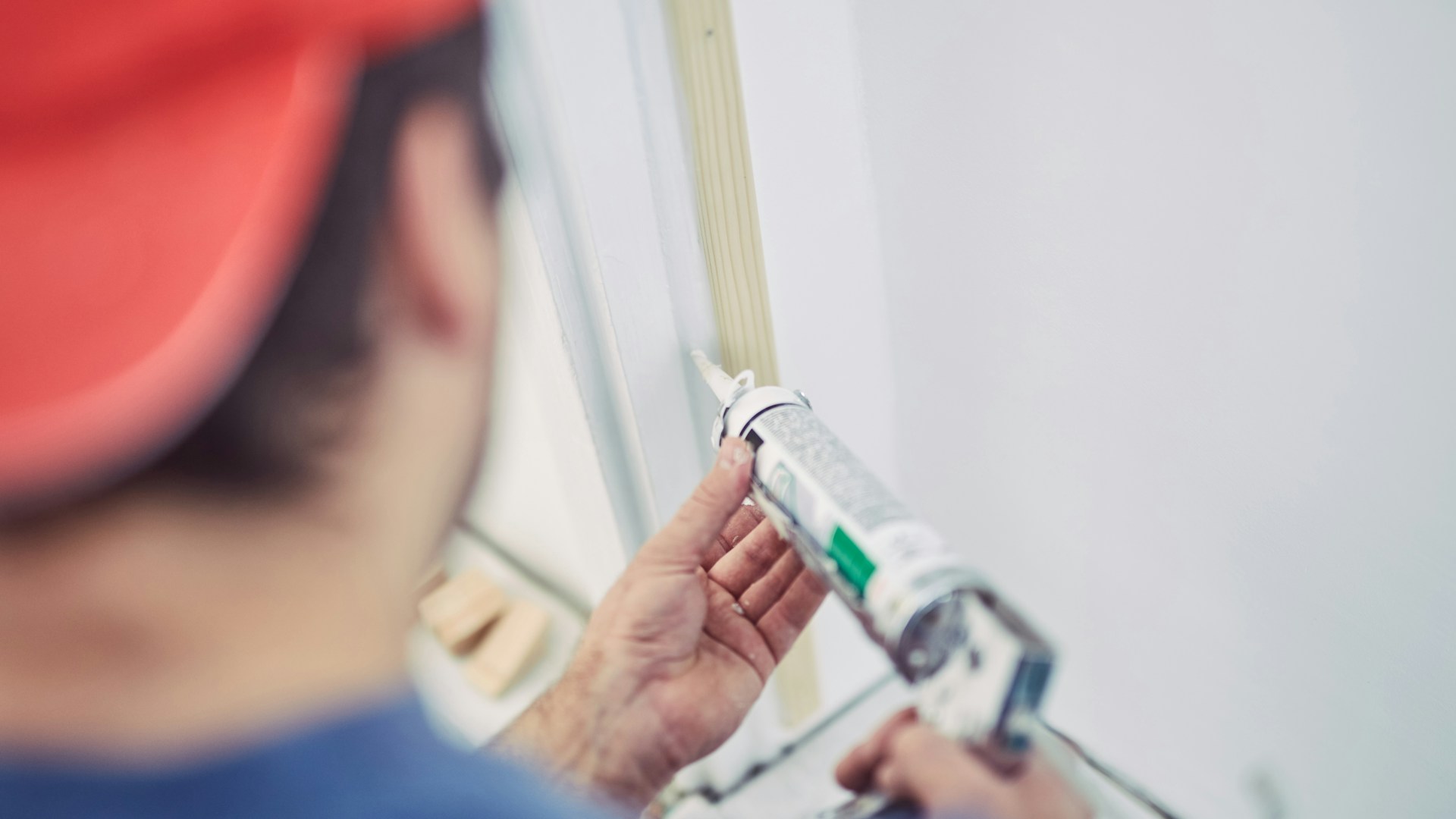
Wet weather can stall a job faster than just about anything else. When sealants do not work well with surface damp or temperature shifts, it shows up fast in peeling edges, brittle joints, or full bond failure. We have seen it happen more than once, especially during the colder, wetter months that Belgium is known for. Choosing the right product is often the difference between rework and a clean finish that holds strong.
That is where a reliable construction sealant for waterproofing comes into focus. Not every sealant handles constant moisture or winter timing the same way. Some harden too quickly and crack, while others never cure fully if the surface is too cold or damp. Knowing what to look for before you apply can save hours of delays and headaches. This article breaks down what sealant behavior to watch out for, which traits matter most, and how to seal confidently through the season.
Understanding Sealant Behavior in Damp Conditions
Wet conditions are not just about visible puddles. It is the invisible moisture, humidity in the air or condensation on materials, that often interferes with sealant performance. The bond needs time, warmth, and a dry surface to form properly. When that balance slips, the sealant never sets as it should.
Surface damp slows curing time, sometimes to a near standstill. That is especially true with older types of sealant that rely on dry air to trigger hardening. When winter hits, joint movement increases and materials contract away from each other. A slow-setting or brittle bond will not keep up and often starts pulling away.
Keep these points in mind when sealing in damp or cold:
• Sealants that depend on low humidity to cure may never harden right in wet conditions
• Cold temperatures shrink materials, putting extra stress on stiff, inflexible seal lines
• Damp timber or masonry absorbs moisture that interferes with adhesion under the surface
The more we understand these shifts, the better chance we have to work around them.
Key Properties That Matter in a Good Construction Sealant
The best sealants are not just about hold, they account for movement, moisture, and material mix all at once. One job site might have brick, timber, metal, and glass in one area. The right sealant needs to work across all of it without breaking from stretch or soak.
Flexibility is important. It is what prevents cracking when the temperature changes. A joint that worked fine at 12°C may fail at 2°C if the sealant cannot move with it. But flexibility alone is not enough. We also count on sealants to resist water during heavy moisture and drying delays. A good product will not just block droplets today, it will hold up across weeks of exposure.
What makes a sealant reliable across Belgium’s wet winters:
• It must be water resistant, keeping joint lines stable and dry through damp days
• It should stay elastic and not go brittle as temperatures drop
• It needs adhesion across common construction surfaces, even with slight surface damp
These traits are practical, not fancy. But they work.
Choosing the Right Sealant for Cold Wet Environments
Sealants vary more than most realize. What works inside a bathroom will not necessarily stick outside on cold stone. For outdoor winter jobs, material blend makes a big difference. We often look toward hybrid, PU-based, or certain silicone sealants that tolerate both movement and moisture better than older acrylics.
Each type has its strong points. PU sealants handle damp well and create tough bonds. Hybrids often do the same but with a bit more flexibility. Some silicones made for exterior use can stretch and rebound without going soft in the cold.
When selecting sealants during a Belgian winter:
• Check the curing temperature range, make sure it can still set at 5°C or lower
• Look for water resistance, not just indoor performance
• Avoid rigid adhesives that set too hard and crack under joint stress
We always read the label, even if we have used the same product before. Formulas change and so does the weather.
VDB Adhesives offers a range of PU, hybrid, and silicone sealants formulated for tough adherence and flexibility in wet, cold construction environments. Many of our products are designed for compatibility with a broad mix of building substrates, supporting reliable waterproofing performance above and below ground level.
Application Tips for Wet-Weather Sealing Success
Applying sealant in the wet or cold takes a little more planning. It is not just grab-and-go like during the warmer seasons. We try to think ahead by prepping surfaces, picking better times in the day, and having gear ready to shield from sudden showers.
Surface prep is where too many slip up. Even light condensation makes bonding harder. A quick wipe with a dry cloth is not enough, surfaces should be close to proper bonding conditions before anything gets applied. After that, timing matters. Late morning to early afternoon usually strikes the best balance between warmth and lower humidity.
A few tips to keep work on track:
1. Aim for mid-day sealing when outdoor temps are higher
2. Dry all surfaces completely, including harder-to-see interior sides of joints
3. Use tarps or covers if rain or snow is expected before full curing
These habits are not about overdoing it, just working smart when time and weather are tight.
What Not to Do When Sealing in Wet Jobs
Some mistakes we see over and over. The first is picking the wrong product. Too many still reach for interior-only or decorative sealants on cold, wet jobs. These might look fine at first but will not last once the cold shifts begin.
Another common one is thinking “water resistant” means the sealant can be applied during steady rain or onto soaked material. It cannot. That term means the sealant holds once cured, not that it cures fine in direct water.
Avoid these errors to keep joints from failing too soon:
• Do not skip moisture checks, it shows up in weak bonding later
• Do not use overly rigid sealants on surfaces that will move with temperature swings
• Do not expect quick curing just because the packaging says “fast dry”
Each season has its habits. Winter asks for patience and awareness more than speed.
Keep Jobs Dry and Durable with the Right Sealant Approach
Wet jobs are not rare, especially this time of year. Between frost, rain, and late-setting sun, conditions can turn tricky without much warning. Cold months test bond strength, joint flexibility, and surface prep more than almost anything else.
But winter work does not need to slow down. When we match the right sealant to site and season, we keep things moving without risk to build quality. By planning around moisture and temperature, we get cleaner finishes, longer holds, and fewer callbacks, no matter what the sky looks like that day.
Selecting the right product for winter projects does not have to be a guessing game. With years of expertise in materials that perform under harsh seasonal conditions, we can help you make the best choice. Whether you are sealing joints on stone, timber, or mixed substrates, using a high-performance construction sealant for waterproofing ensures your work stays protected and rework is avoided. VDB Adhesives offers solutions designed to handle moisture, cold, and surface movement effortlessly, so contact us to discuss options for your next job.

