Nederlands
  English
  Français
  Deutsch
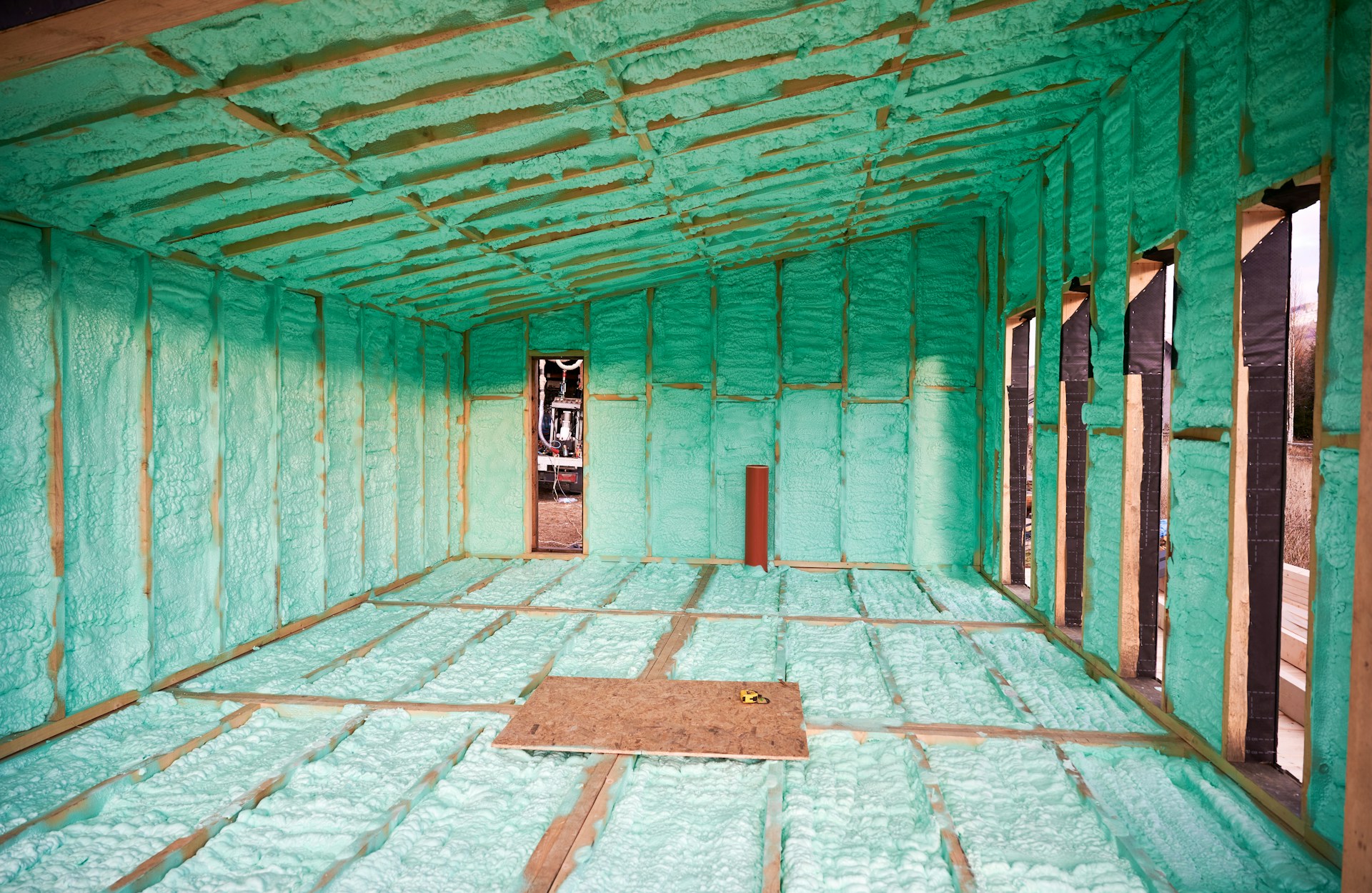
Dilatatievoegen moeten kunnen bewegen, buigen en hun afdichting behouden bij wisselende seizoenen. Daarom vertrouwen veel professionals op PU-schuimisolatie om dit voor elkaar te krijgen. Dankzij het vermogen om uit te zetten en voegen te vullen, is het een populaire keuze bij het afdichten van nieuwbouw of renovatiewerkzaamheden. Maar een snelle klus kan al snel leiden tot herstelwerkzaamheden als het schuim niet meer goed afsluit.
We hebben het al vaker zien gebeuren. Het schuim hecht niet, hardt ongelijkmatig uit of valt uiteen zodra de temperatuur omslaat. Lenteprojecten in België gaan vaak gepaard met een hoge luchtvochtigheid, koelere ochtenden en vochtige oppervlakken, wat de zaken er niet makkelijker op maakt. Als we haasten of een stap overslaan, is het resultaat niet duurzaam.
Hieronder vindt u enkele van de meest voorkomende problemen met PU-schuim in uitzettingsvoegen, en waar wij op letten om deze problemen tijdens de voorjaarswerkzaamheden te voorkomen.
Het kiezen van het verkeerde type schuim
Niet alle soorten PU-schuimisolatie zijn hetzelfde. En als het om uitzettingsvoegen gaat, kan het gebruik van het verkeerde type meer problemen veroorzaken dan oplossen. Een standaard schuim is mogelijk niet bestand tegen constante beweging of seizoensgebonden temperatuurschommelingen.
Dit controleren we voordat we een product kiezen:
- Het schuim moet geschikt zijn voor flexibele voegen, niet alleen voor algemene kieren of holtes.
- Het zou goed moeten hechten aan gangbare Belgische bouwmaterialen zoals beton, steen, baksteen en paneelsystemen.
- Sommige gewrichten bewegen meer dan andere, daarom controleren we of het product op de lange termijn bestand is tegen die beweging.
Bij het werken met beton is het ook handig om het volgende te weten: Wanneer chemische ankers gebruiken voor beton, omdat ze vaak in combinatie met schuim worden gebruikt in constructieverbindingen.
Schuim dat prima werkt rond deurkozijnen of vloeren, behoudt mogelijk niet zijn vorm in een dynamische voeg. Het is beter om het schuim in een vroeg stadium op de juiste plek af te stemmen dan het later te moeten bijsnijden en opnieuw aan te brengen.
VDB Adhesives biedt PU-schuimisolatie die speciaal is ontwikkeld voor beweging en veranderende omstandigheden op de bouwplaats. Ons schuim is geschikt voor toepassing op poreuze en niet-poreuze ondergronden en is ontworpen om flexibiliteit, luchtdichtheid en een duurzame vulling te garanderen in zowel nieuwbouw- als renovatieprojecten.
Oppervlaktevoorbereiding negeren
Zelfs het beste schuim werkt niet als de ondergrond niet deugt. De lente in België brengt restanten van vocht, zout en vuil uit de winter met zich mee, en al die rommel kan een goede hechting in de weg staan.
Enkele veelvoorkomende fouten bij de voorbereiding van oppervlakken zijn:
- Het opruimen overslaan en fijn stof of puin achterlaten.
- Spuit rechtstreeks op vochtige oppervlakken of in gebieden waar water is ingetrokken.
- Het vergeten van primers of hechtmiddelen op plekken waar de grip beperkt is.
We controleren altijd op verborgen vocht. Er is niet veel voor nodig om het uitharden van het schuim te belemmeren. In de lente lijken sommige oppervlakken aan de oppervlakte droog, maar daaronder bevinden zich koelere, vochtige plekken. Door er met je hand overheen te strijken, kun je vaak ontdekken wat je met het blik niet ziet.
Ook de temperatuur van de ondergrond speelt een rol. Een schuim dat goed uitzet bij 20 °C kan moeite hebben om goed uit te harden op een muur die nog steeds 6 °C is. We proberen met het weer mee te werken, niet ertegen.
Het voegmiddel te veel of te weinig vullen
De juiste hoeveelheid schuim in een voeg is belangrijk. Te veel schuim kan te veel druk uitoefenen op de randen van de voeg, terwijl te weinig schuim de afdichting verzwakt of lucht en water doorlaat.
De vorm en breedte van elke voeg vertellen ons hoeveel schuim we moeten gebruiken. Zo pakken we het aan:
- PU-schuimisolatie zet uit na het spuiten, wat betekent dat we de opening niet meteen volledig hoeven te vullen.
- Overvulling kan leiden tot uitstulpingen, scheuren of spanning op aangrenzende materialen.
- Als je het te licht laat, ontstaan er luchtbellen of koude plekken die de hechting verzwakken.
We houden altijd rekening met de uitzettingssnelheid van het schuim, vooral wanneer we snel werken op grote oppervlakken. Voegen in de buurt van hoeken of langs randen vereisen mogelijk extra aandacht om de vorm te behouden en drukpunten te voorkomen.
Versnelling van de uithardingstijd
Het is verleidelijk om je te laten meeslepen door het tempo van de voorjaarsklussen, vooral met periodes van mooi weer. Maar het overhaasten van het uithardingsproces vergroot de kans dat het schuim na verloop van tijd krimpt, zachter wordt of barst. Sommige van die problemen worden pas weken later zichtbaar.
Tijdens het uitharden letten we op een aantal belangrijke zaken:
- De uithardingstijd van schuim varieert met de temperatuur, en vroege lenteochtenden kunnen het proces vertragen.
- Als de voeg te vroeg wordt afgedekt, voordat het schuim volledig is uitgehard, kan er lucht of vocht ingesloten raken, waardoor het resultaat minder sterk wordt.
- Te snel uitharden op warme dagen zonder vocht kan leiden tot broosheid of scheuren.
Elk product heeft zijn eigen droogtijd. We geven het de ruimte die het nodig heeft, zelfs als dat betekent dat we langer moeten wachten voordat we het afwerken of de voeg dichtmaken. In april is het niet ongebruikelijk dat de ene muur langer duurt dan de andere, simpelweg vanwege schaduw of de windrichting.
Beweging en seizoensgebonden flexibiliteit vergeten.
Gewrichten bewegen meer dan de meeste mensen denken, vooral tussen april en juli. Temperatuurschommelingen in België zorgen vaak voor grote verschillen tussen ochtend en middag, laat staan van week tot week. En als het schuim daar niet in mee kan bewegen, scheurt het.
Flexibiliteit staat bij ons voorop door:
- Het kiezen van schuimsoorten die seizoensgebonden veranderingen in zowel verticale als horizontale richting mogelijk maken.
- Vermijd te stijf schuim dat hard wordt en barst wanneer de verbinding verschuift.
- Kijken waar een gebouw onder spanning komt te staan, bijvoorbeeld op de raakvlakken tussen verschillende materialen.
Als uitzettingsvoegen niet meebewegen met de seizoenen, gaan ze uiteindelijk kapot. Gescheurd schuim leidt tot waterinsijging, luchtlekken of zichtbare scheuren. Dan moeten we weer terug naar de bouwplaats om hetzelfde detail opnieuw te plannen. Het is beter om vanaf het begin te kiezen voor materialen die meebewegen met de seizoenen.
Veel van onze PU-schuimkitten zijn geschikt voor compressie- en bewegingsbestendigheid, waardoor scheuren in grotere uitzettingsvoegen worden voorkomen. Technische ondersteuning en productadvies helpen klanten bij het kiezen van het juiste PU-schuim voor de verwachte spanningsniveaus en ondergronden van hun project, waardoor het risico op voortijdige slijtage wordt verkleind.
Een sterkere afdichting begint met minder compromissen.
We weten dat een strakke deadline en lenteomstandigheden niet altijd een gemakkelijke combinatie zijn. Het weer kan elk uur omslaan en de druk om zoveel mogelijk uit elke droge periode te halen is groot. Maar juist daarom is bezuinigen op PU-schuim geen optie.
Door wat meer tijd te besteden aan de voorbereiding, het plannen van de voeggrootte en het controleren van het schuimtype, verloopt de hele klus soepeler. Wanneer het schuim goed meegeeft, stevig blijft en goed uithardt, besteden we minder tijd aan reparaties en meer tijd aan het bouwen.
Fouten op deze gebieden komen niet altijd meteen aan het licht, maar ze stapelen zich snel op gedurende een project. Als we de details vanaf het begin goed aanpakken, zorgen we ervoor dat de afdichting lang na de lente nog intact is.
Bij VDB Adhesives begrijpen we het verschil dat het juiste product kan maken wanneer het correct wordt gebruikt. Voor projecten die betrouwbare bewegings- en afdichtingsprestaties vereisen, is het belangrijk om de ideale oplossing te kiezen. Ons assortiment omvat voegwerk, gevelafdichting, isolatievulling en meer, waardoor u gemakkelijk de beste match voor uw toepassing kunt vinden. Bekijk ons aanbod. PU-schuimisolatie Selectie voor ruimtes met hoge flexibiliteit. Heeft u vragen of behoefte aan deskundig advies? Ons team staat voor u klaar.