 English
  Nederlands
  Français
  Deutsch
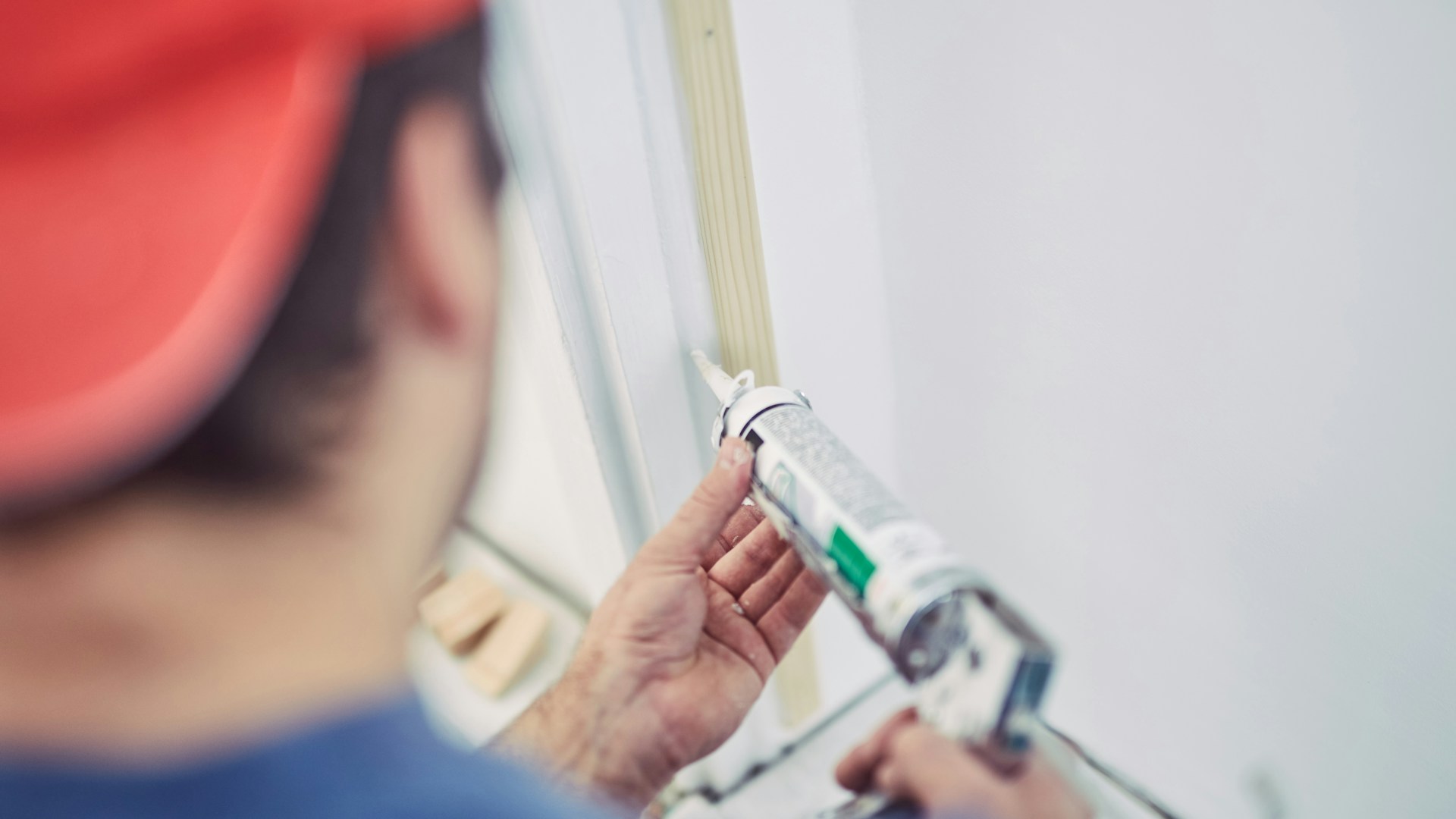
Late autumn brings damp weather that lingers well into early winter, especially in Belgium. When we’re closing up builds or finishing interiors, that wet air can make it harder to get consistent performance from materials. Still, jobs keep moving, and we don’t always get to wait for a dry day. That’s where the right sealant makes a difference. A paintable acrylic sealant gives us the flexibility to work in environments where surfaces aren’t fully dry but still need to be sealed and finished cleanly.
It’s not just about getting the job done; it’s about doing it safely, with the kind of results that hold up as temperatures drop. Surface prep, timing, and product choice all come into play. Picking a sealant that still bonds in damp weather means we don’t have to halt progress every time the rain sets in.
Choosing the Right Sealant for Damp Jobs
There’s no shortage of sealants on the shelf, but not all of them are made for damp-weather use. Some struggle to hold on if there’s even a trace of moisture left. What we want is something that stays strong, bonds well to tough surfaces, and can flex with seasonal shifts.
• Acrylic sealants tend to work best with common building materials like plasterboard, wood, concrete, and metal. When they’re paintable, they’re even more useful for interior joints that need a tidy finish later on.
• The paintability factor matters most in areas where the seal is part of the visible final finish. You get clean lines, secure joints, and a surface that takes paint nicely, whether it’s inside a flat or around window frames.
• It’s also worth thinking about how “wet” the surface will be. A water-resistant formula gives much better hold in light damp conditions, like a freshly cleaned gap or a chilly room where condensation has pooled up. Fully wet or saturated spots should still wait, but a slightly damp area can be sealed if the right product is used.
Preparing Damp Surfaces Without Compromising Adhesion
Before we grab the cartridge gun, we need to stop and take a close look at the surface. Not all damp is the same. Some spots just have a cool, tacky feel from overnight humidity. Others may be holding too much water after a pressure wash or rain exposure.
• A quick test, pressing firmly with a dry cloth, often shows whether the area just feels cool or if it’s holding too much moisture. If the cloth comes back wet, it’s too damp to seal.
• Any surface, even one slightly damp, should be cleaned of old residue, dust, flicked-on paint, or oils before applying sealant. A proper wipe-down improves grip. Where needed, a fast-drying primer made for damp environments can help support adhesion.
• A lot of sealant failures in colder months come down to rushing. Trying to seal a joint straight after it’s been washed or scrubbed rarely ends well. Giving it an extra hour or two of air, even in a heated space, goes a long way toward better bonding.
Application Tips That Work in Wet Weather
Getting a good join with sealant while working in damp, cold conditions takes a bit more planning. Temperature, airflow, and product behaviour all shift a bit this time of year, so it pays to work with, not against, those conditions.
• Aim for dry spells during the day if possible, and work in rooms where heating’s already running. A steady indoor temperature lets the sealant grip better and avoids sudden shifts that crack the joint later.
• Smooth application matters more when surfaces aren’t bone dry. Using a high-quality caulking gun, along with a wet finger or proper tooling paddle, helps set the bead neatly and push it deep into the joint.
• Letting each layer cure fully before painting is key. Paint trapping uncured sealant makes for flaky finishes or weak joints later on. Check the product label for cure times, which often stretch out in colder air. Giving the seal a full day before painting is usually a safe move in autumn installations.
Where on Site These Sealants Make the Most Sense
Damp isn’t just a weather issue; it shows up in certain parts of the building more than others. Knowing where to expect it lets us plan smarter sealant work.
• Inside corners around windows and doors often cool faster than the rest of the wall. These spots pick up condensation overnight and make ideal places for paintable acrylic sealant, since they stay visible in the final finish.
• Gaps in kitchens, bathrooms, and utility rooms, especially where venting isn’t finished yet, see higher moisture levels. These areas benefit from water-resistant sealing that still holds tight without bubbling or pulling away.
• Attic spaces and heated loft areas go through temperature swings as they warm during the day and cool sharply at night. Roof joints, pipe runs, or timber transitions up here can all shift slightly. A flexible, paintable joint keeps them closed without showing cracks after cold spells.
Professional Acrylic Sealants for Challenging Conditions
When working in tricky autumn weather, paintable acrylic sealants from VDB Adhesives are formulated with reliable water resistance and flexibility, making them suitable for slightly damp surfaces commonly found in colder months. The VDB product line includes acrylics specifically engineered for use in both new builds and renovations, bonded to substrates such as concrete, brick, wood, and more. All solutions are supported by technical datasheets and guidance for proper application, ensuring a finish that’s both durable and paint-ready even as temperatures and humidity fluctuate.
Acrylic sealants from VDB Adhesives have been selected by professionals throughout Europe for over 45 years. Their trusted formulations are designed to deliver lasting performance and aesthetic results, even when site conditions are less than ideal.
When damp weather is on the horizon, having the right sealant can make all the difference between extra work and a reliable finish. We rely on a range of solutions built for colder, humid months, including products designed to hold strong on slightly damp surfaces. For joints that need a seamless paint finish, our choice is a water-resistant, flexible sealant that stays solid without slowing down your timeline. See how a paintable acrylic sealant can help keep your project moving, no matter the weather. If you’re getting ready for wetter site conditions, VDB Adhesives is here to help, just give us a call.

