 English
  Nederlands
  Français
  Deutsch
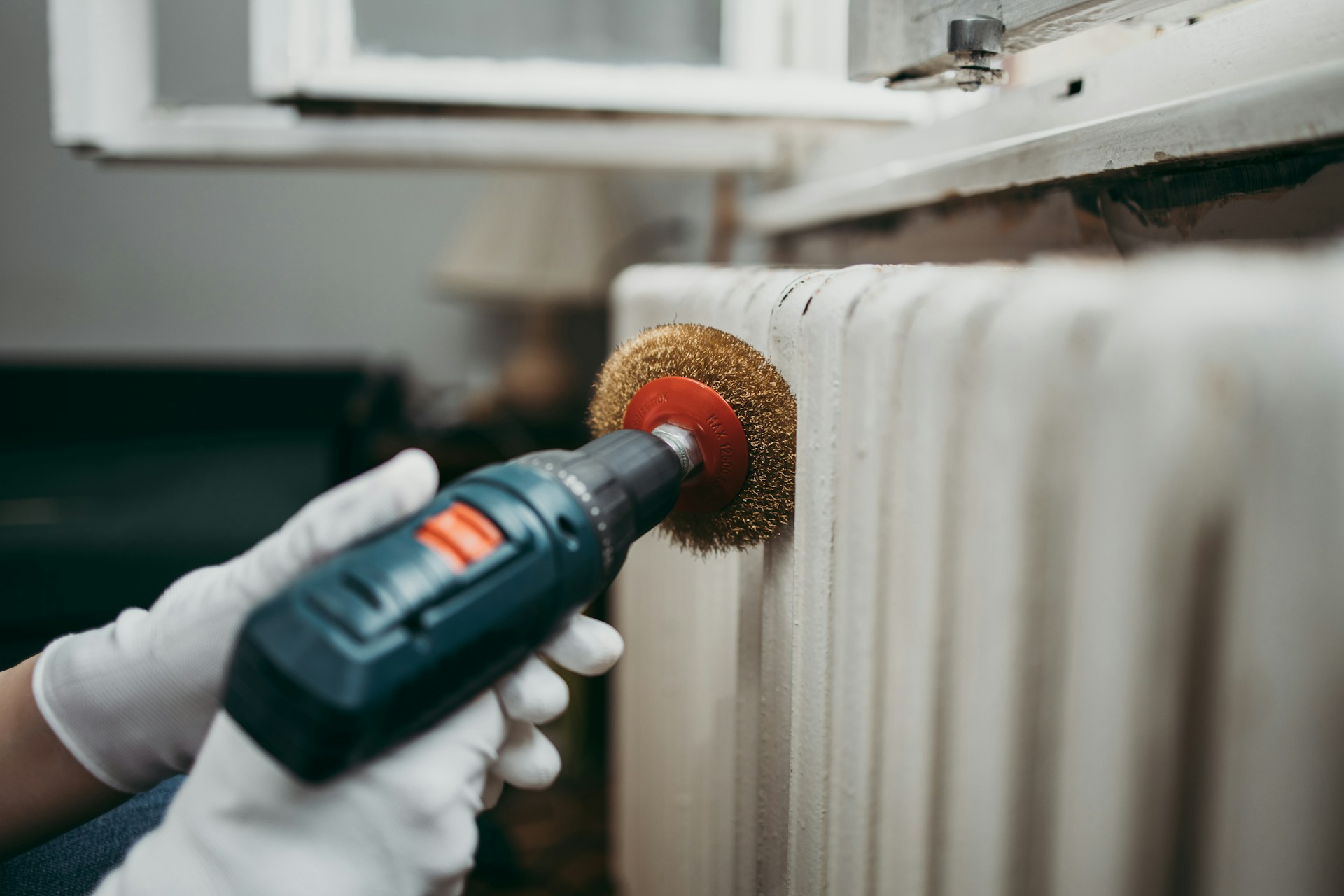
When you are working around heating systems, it does not take long to spot where traditional adhesives fall short. The heat around boilers, radiators, and pipes can quickly weaken a bond that looked solid when it first went on. That is why using a heat resistant adhesive in high-temperature areas makes all the difference. It holds tight when things get hot and stays in place through daily heating cycles.
In colder months, this becomes even more important. Heating systems run longer and hotter, and small failures in joints or seams are easier to spot. Gaps start to open. Materials shift. And if you are using the wrong adhesive, you are coming back to redo work that should have stayed sealed. Let us look at how heat affects adhesives, where stronger products are needed, and what to watch out for when working in winter conditions.
What Heat Can Do to Standard Adhesives
Not all adhesives are made for high heat. When temperatures climb above a certain point, standard products begin to lose their strength. They soften, shift, or even start to pull away from the surface altogether. That is when surface gaps open and problems follow.
• In areas like boiler rooms or near flues, constant warm air keeps surfaces at higher temperatures, which weakens bonds over time.
• Around pipes or ducts, traditional adhesive might dry out or lose flexibility after repeated heating and cooling.
• When bond strength drops, the result is often air leaks, rattling panels, or insulation that no longer stays where you installed it.
Even if the adhesive holds at first, regular exposure to heat can break it down slowly. So if you are sealing anything in direct or frequent contact with heat, using the wrong product just delays the fix.
Where Heat Resistant Adhesives Matter Most
There is a big difference between products that can take a bit of warmth and those made to hold in real heat. Heat resistant adhesive steps in where reliable grip is needed day after day. These spots are known troublemakers once winter starts and heating systems work harder than usual.
• Around radiators, pipes, or underfloor heating units where the surface temperature stays warm for long periods.
• When sealing insulation boards behind stoves or near flues, especially in retrofit jobs or utility rooms.
• Along ventilation ducts that push heated air through the building and have sealing joins prone to movement.
We keep an eye on these areas, especially after the first few weeks of heating season. If something is going to fail due to heat, that is often when it shows.
We offer high-temperature silicone and PU adhesive options specifically formulated to resist the kind of thermal cycling found near radiators, boilers, and ducting. Our solutions are tested for use in both new installations and retrofits, providing added confidence where high heat is the norm.
Winter Considerations for Application
Even with the right adhesive for heat, winter can bring extra steps. Cold air slows things down, and if you are working in unheated areas, every detail matters. Surface prep, product temperature, and drying time do not work the same way in winter as they do in warmer months.
• Curing takes longer in the cold. If a foam or adhesive says it sets in 30 minutes at 23°C, expect more time when working at 5°C.
• Surfaces should be dry and, if possible, slightly warm. Using a safe space heater nearby can help materials grip and bond faster.
• Some foams still expand or cure well in low temperatures, but not all do, so checking specifications becomes part of the job.
We usually store adhesives in warm vans or indoors when possible. It means less time waiting for pressure build-up and fewer surprises during application. Planning for weather saves trips back later.
Signs You May Need a Better Seal
If you are checking existing seals or revisiting old work, a few warning signs can tell you whether a heat-resistant option should have been used instead. Common issues pop up quickly in heating season.
• Materials that shift or come loose near radiators or hot pipework usually point to softening adhesives.
• If you spot smells, especially near heating ducts or boilers, it may be a hairline gap letting air or dust through.
• Panels that sag or foam that has pulled inward near hot spots might not have cured properly or was not the right product for the area.
We have seen this happen more during the first month of steady heating. Whatever held through September might not be strong enough once mid-winter kicks in.
A More Reliable Fix Around Heating Zones
Choosing the right product always makes future work easier. When we use heat resistant adhesive around high-temperature areas, we get a secure hold that lasts through repeat cycles and shifting surfaces. It means fewer return visits, fewer mid-winter patch-ups, and cleaner results overall.
In colder months, when heating is running full time and joints are under more stress, a proper seal with the right adhesive keeps everything where it should be. It is a simple step, but one that keeps buildings dry, warm, and steady when they need it most.
We back our product reliability with technical data, supporting professionals to evaluate and match adhesives to the precise demands found in commercial and home heating zones. Our personalised guidance helps prevent early failures and keep builds running smoothly right through winter.
When heating systems are part of the equation, we treat adhesives with as much care as any other part of the job. A solid seal now is one less worry later in the season.
Working in high-temperature environments during winter demands confidence that your seals will perform as expected, which is why choosing a product designed for the task is essential. We always seek ways to make sure our solutions endure heating cycles, temperature fluctuations, and colder conditions. A well-placed heat resistant adhesive delivers reliable performance around radiators, ducts, and hot surfaces. At VDB Adhesives, we are committed to matching the right solution to every project. Contact us to discuss how we can support your next job.

