 English
  Nederlands
  Français
  Deutsch
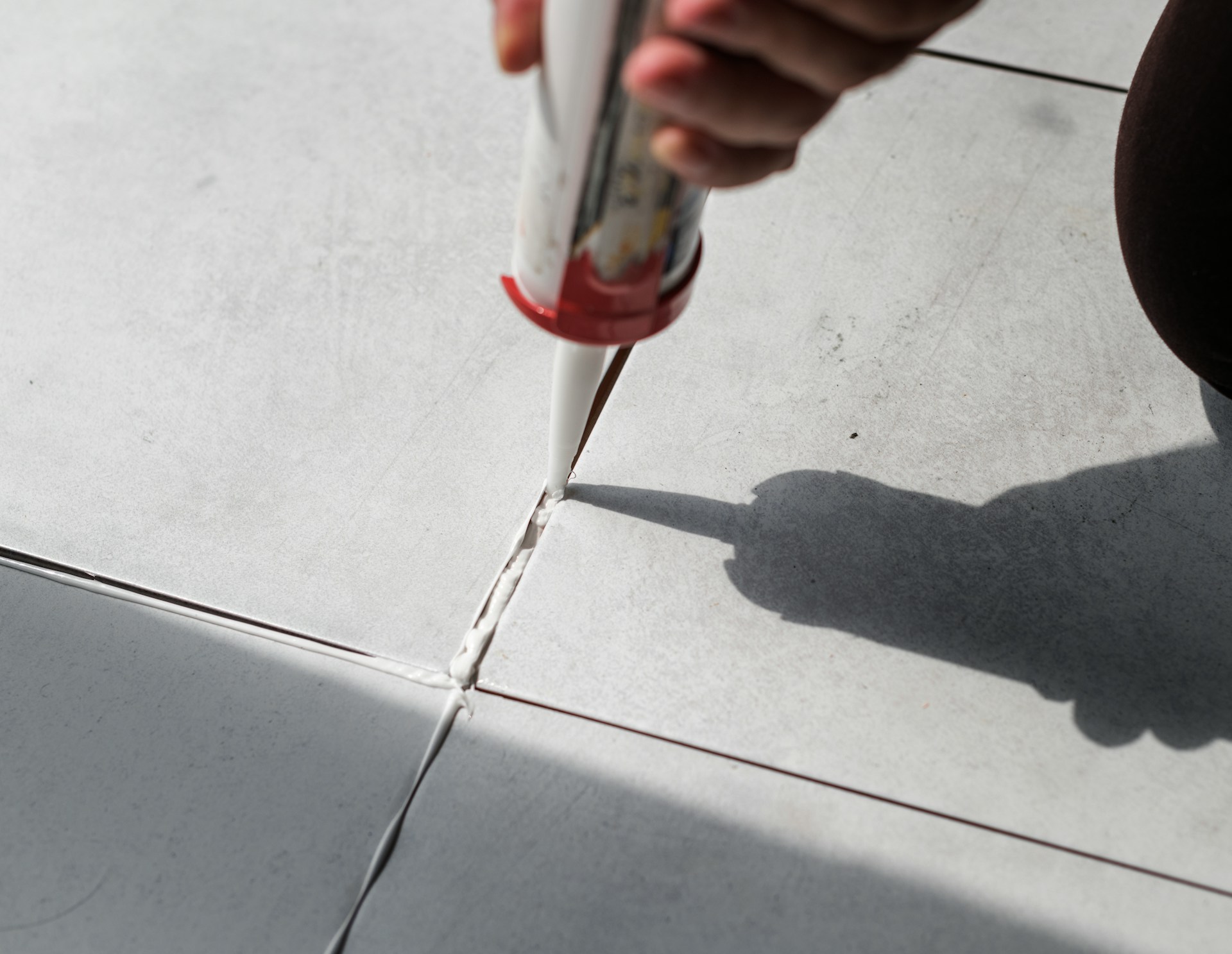
Shower repairs tend to build up during the warmer months in Belgium, and it’s no wonder. As the weather shifts, more indoor projects are scheduled, and bathrooms often top the list. Whether fixing up a tired seal or dealing with leaks along the edge of a tray, we’re reaching for the right tools and materials more often. Using the correct product helps keep jobs from needing follow-up calls later, especially in rooms exposed to regular heat and moisture.
One of the most common solutions we use is silicone. It sticks well, doesn’t crack under movement, and stands up to regular cleaning. When it comes to showers, we’re almost always looking at water resistance and flexibility first. That’s why using silicone sealant in Belgium makes sense for these high-use, high-humidity spaces. Getting the job done right the first time saves time, effort, and clean-up down the line.
Choosing the Right Sealant for Damp Spaces
Shower cabins, bath edges, and wall joints deal with a lot of daily moisture. Silicone is a solid choice here because it grips tightly and holds shape even when wet. It creates a flexible layer that moves just enough without peeling or cracking. That bit of give helps in spaces where tiles expand slightly or where children and adults alike splash water in places it rarely dries fully.
Not all fillers are suited to this kind of work. Some are fine for dry areas but don’t bond well when conditions stay damp. That’s where silicone stands out. It’s water resistant and made to last in settings that deal with steam, warm air, and splashes.
Belgian bathrooms often vary quite a bit with tiling style, tub size, and finish texture. Some have old tiles, while others use newer, smoother frames. We match the sealant we use based on how that surface behaves, whether it is glossy, porous, or slightly uneven. Getting the right fit makes a big difference in finish quality and how long the seal lasts.
VDB Adhesives supplies professional-grade, neutral-cure silicone sealants created for high-moisture settings, including bathrooms, kitchens, and sanitary ware. Our silicones maintain adhesion and mould resistance on substrates such as enamel, ceramic, glass, and composite panels, common in Belgian bathrooms. This ensures a tough, sanitary joint that stands up to daily humidity and frequent use.
How Belgian Climate Affects Indoor Sealants
Spring in Belgium brings more humidity indoors, especially in enclosed spaces like bathrooms. After a cool winter, these rooms suddenly shift to warmer temperatures while still facing long showers and less air movement. That difference impacts how sealants dry and stick.
The sticky air in spring can slow cure times, making some sealants form a skin before they’ve properly bonded beneath. That’s why it helps to plan for time and adjust routines based on the space. Using a fan or ventilating properly can support a smooth, even seal.
Showers are used more often during warmer weather too, especially in busy households. Over time, the extra steam and splashes can wear down joints that weren’t applied properly or weren’t built to handle that level of use. Picking the right product avoids that pattern of patch-ups every few months.
Application Considerations for Belgian Renovation Sites
Every project rises or falls with surface prep. In older Belgian homes, we often deal with rough plaster, ageing tiles, or tricky borders where water can sneak through. We always make sure joints are clean, dry, and free of dust before applying any sealant. If not, there’s a higher chance of peeling or separation happening soon after.
Uneven frames or quirky corners can make application harder too. That’s where using backing rods or taking extra care with bead lines gives better support. We use the right size nozzle, keep the bead steady, and smooth it right away before it skins over.
Sealants dry best in stable conditions, so timing matters. We aim for drier days and tend to avoid working in closed rooms straight after the shower has been used. Some sites may need windows open or a dehumidifier just to give the sealant a better head start. Getting it right means fewer call-backs and happier customers.
Signs It’s Time to Replace Shower Sealant
We often spot trouble near the base of the shower or around corners where joints struggle to hold their shape. These signs tend to show up slowly at first, but they’re worth catching early.
- Cracks or gaps forming along the edge
- Changes in colour, especially near tiled corners
- Peeling or lifting where moisture pools
- Damp smells or darkened spots spreading near the shower tray
- Watermarks in floor corners or under trays
Busy homes in Belgium use these spaces daily, so even small faults can add up fast. If we see sections tearing away or bunching under pressure, it’s time to remove the old seal and apply a new bond. Waiting too long could lead to water damage behind the tiles or damage to the subfloor.
What Keeps Silicone Holding Strong Over Time
There’s more to long-lasting sealant work than just picking the right tube. Even strong silicone can lift or crack if applied carelessly or stretched too far after curing.
- Avoid pulling at the joint when cleaning or scrubbing
- Let the sealant cure fully before using the shower again, usually 24 hours, depending on product and room conditions
- Don’t layer new sealant over old peeling sections, always remove first
- Use the right product for the room’s temperature swings and surface finish
Silicone brands can vary quite a bit, and some don’t hold long in areas that get heavy traffic or high temperatures. That’s why we always select products with proven grip and flexibility. It’s worth checking how the sealant responds to steam and regular cleans, especially in flats where showers are in daily use.
Building Showers That Last in Belgian Homes
A clean, straight joint of silicone keeps shower spaces safer and easier to maintain. When applied carefully, it creates a neat border that stays in place through daily hot water, steam build-up, and general use. That’s why we focus on matching the sealant to the surface, the season, and the use conditions of every space we work in.
By thinking with the structure, not just plugging gaps, we leave bathrooms that stay sealed and tidy without needing extra work later. Belgian homes have a lot of variation in style and age, but with the right prep and choice of materials, we can keep those joints looking fresh no matter the season.
VDB Adhesives provides technical support and detailed usage documentation for our range of Belgian-specific sanitary sealants. Our team helps bathroom fitters and renovators find the right solution for everything from old tile joints to modern shower modules, giving peace of mind for durable, water-resistant repairs.
To keep jobs running smoothly across a range of Belgian renovation settings, we rely on dependable, flexible solutions that withstand both wet and warm conditions. When you’re tackling high-use bathroom areas, your choice of material is as important as your technique. That’s why we stock trusted products designed for grip and durability in damp, sealed environments. For more about choosing the right silicone sealant in Belgium, VDB Adhesives is ready to help you achieve lasting results. Reach out with your questions or requirements any time.

