 English
 Nederlands
 Français
 Deutsch

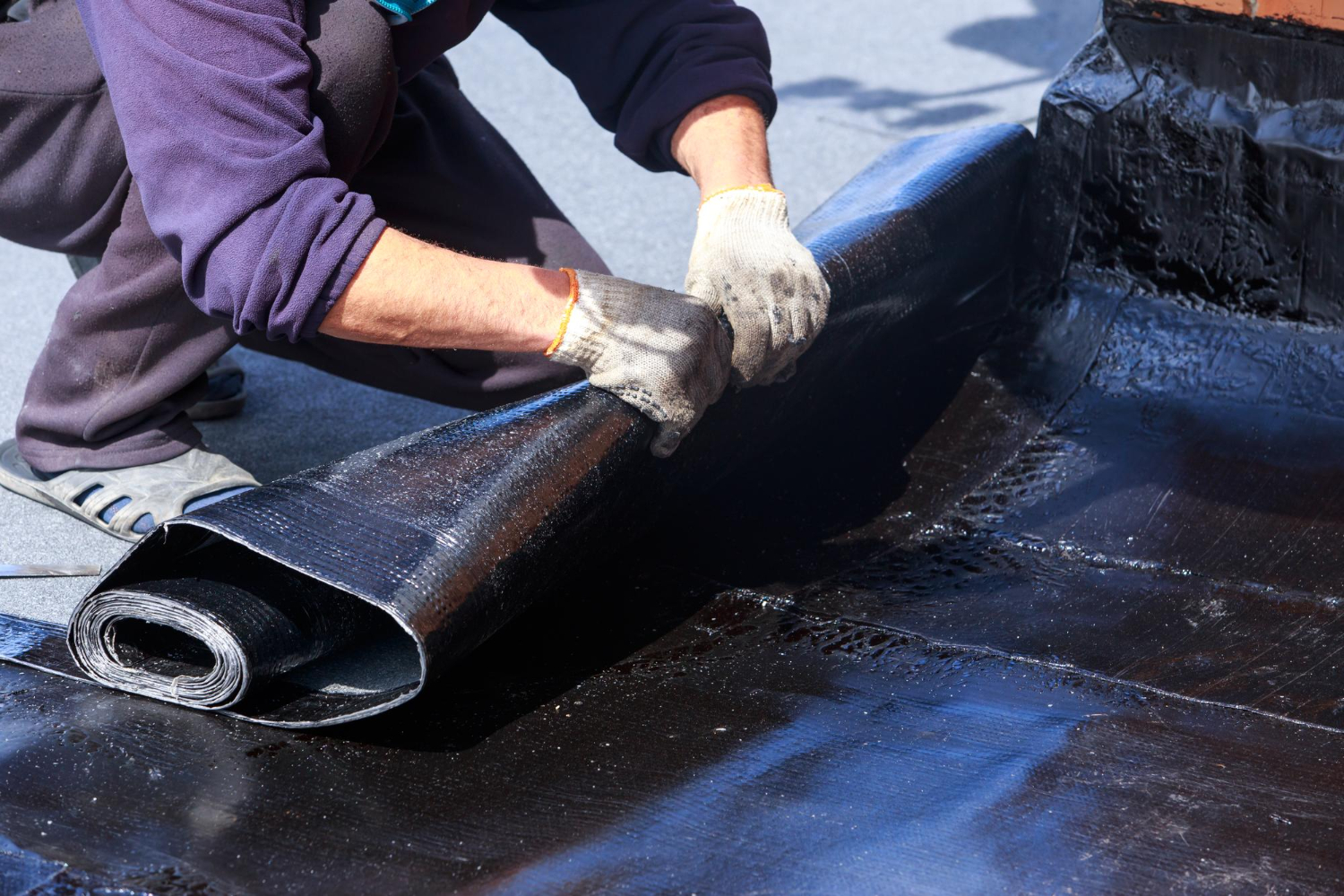
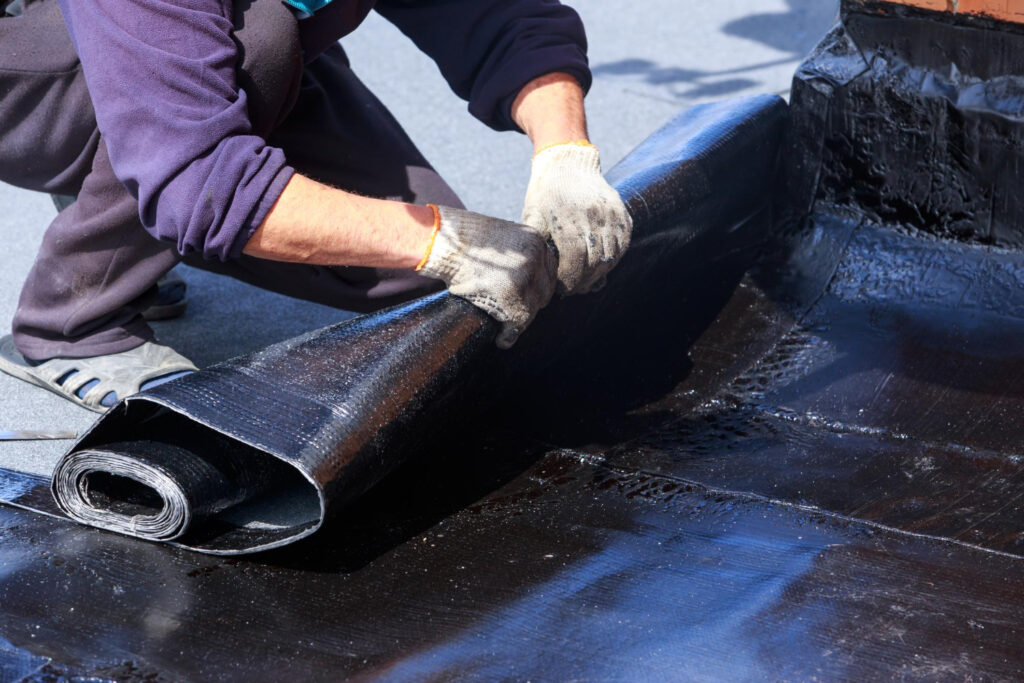
Maximize Roof Reliability on Challenging Geometries
Complex roof shapes can look great, but they are also where leaks love to start. Curves, steps, and lots of details create many places where water can find a path inside if the wrong bonding method or adhesive is used. When the membrane is not fully supported or starts to lift, water will eventually follow.
EPDM membranes are a smart answer for long-term waterproofing on commercial, industrial, and high-spec residential roofs. They stay flexible, handle UV and weather, and can move with the building over time. The real trick on complex roofs is not only choosing EPDM, but choosing the right EPDM membrane adhesive so the system works as one strong, flexible skin.
In this article, we talk through why complex roof shapes are harder to seal, what to look for in an EPDM membrane adhesive, and how thoughtful adhesive choices can improve performance, speed up installation, and lower lifecycle risk on even the most awkward roof layouts.
What Makes a Roof Geometry Complex?
A roof does not need wild architecture to be called complex. Many standard buildings end up with tricky roofs just from the number of details and add-ons. Complex geometry usually shows up as some mix of:
- Multiple penetrations: HVAC units, vents, skylights, cable entries, roof hatches
- Varying slopes or levels: steps, terraces, drains, and internal gutters
- Parapets and edges: upstands, edge trims, terminations, and cappings
- Curves and corners: rounded corners, internal and external angles, and arcs
- Transitions: flat-to-vertical moves, changes between substrates, or over insulation joints
All these details make it harder to keep the EPDM sheet continuous and smooth. More corners and turns mean more risk of fishmouths and trapped air. Tight spots around pipes or under units can make it tough to apply even pressure while the adhesive cures. Extra movement at edges and joints turns these locations into stress points.
That is where adhesive choice starts to matter. Roof geometry affects:
- How long you need the adhesive to stay open while you work
- Whether you can spray, roll, or bead apply the product
- How much you may need to reposition the membrane as you shape it around details
If the chemistry or workability does not match the roof, the membrane can end up stretched, under-bonded, or prone to lifting at the worst possible spots.
How EPDM Membrane Adhesive Supports Difficult Details
An EPDM membrane adhesive is not just a general-purpose construction glue in a different label. It is formulated to move with the membrane and stay flexible for the long term. That flexibility, both at low and high temperatures, is key on complex shapes where the sheet bends, stretches, and pulls in many directions.
Compared to generic products, a dedicated EPDM membrane adhesive is designed for:
- Long-term elasticity, so the bond can absorb building movement and thermal cycling
- Strong initial grab on upstands and vertical surfaces, where gravity works against you
- Reliable bonding on common roofing substrates, such as concrete, timber, metal, and many insulation facers
On a detail-heavy roof, that means you can form tight laps and clean transitions without depending only on mechanical fasteners. Corners, edges, terminations, and penetrations can be fully supported by the adhesive system, so there are fewer weak points that can turn into leaks.
When adhesive, membrane, and accessories are all compatible, installers can work more confidently on those fiddly details. The result is a smoother, more continuous waterproof layer that is far less likely to fail early.
Key Criteria for Selecting Adhesive on Complex Roofs
Once the roof design starts to get detailed, the adhesive specification should get more detailed too. A few key questions help guide that choice.
Adhesive chemistry and compatibility
There are several common EPDM membrane adhesive types, such as:
- Solvent-based contact adhesives
- Water-based adhesives
- Hybrid or MS polymer adhesives
- PU-based adhesives
Each chemistry behaves differently in terms of open time, final strength, and surface tolerance. Matching the adhesive to the EPDM membrane, primers, and the actual substrates on the project is important. Manufacturers typically state what their adhesive is approved for, and staying inside that system is the safest route.
Workability and installation conditions
Complex details almost always slow installers down. That makes open time, curing time, and sensitivity to temperature and humidity more important. On cool or damp days, or when the weather window is tight, you want an adhesive that:
- Tolerates realistic site conditions
- Gives enough working time for corners and penetrations
- Still builds strength fast enough to keep the job moving
Safety, VOCs, and site logistics
Many projects take place on buildings that are in use, with people working or living below. In those cases, things like odor, ventilation, and VOC content become practical concerns. It is worth thinking about:
- Whether the roof space is well ventilated enough for solvent-based products
- Low-odor options for sensitive or occupied buildings
- Storage stability and packaging sizes that suit detail-heavy work, so there is less waste
Matching Adhesive Systems to Real-World Roof Details
On most complex roofs, one adhesive will not do everything perfectly. Often, a smart mix of systems works best.
Flat-to-vertical transitions
Parapets, upstands, and perimeter edges put the bond under tension as the membrane tries to pull away. A strong EPDM membrane adhesive with good initial grab and permanent elasticity is usually favored here. It helps the sheet stay tight against:
- Masonry parapet walls
- Timber upstands
- Metal trims and edge details
Roofs with many penetrations
Around pipes, vents, cable entries, and curbs, space is limited and finger work is precise. Here, installers often benefit from:
- Bead-applied or brushable adhesives that can reach small areas
- Compatible sealants and tapes to finish the detail and protect the bond line
- Primers where the substrate is porous or slightly dusty
Hybrid systems for field and details
It is common to combine:
- A sprayable adhesive for large, open field areas, for speed and even coverage
- A more viscous, bead-applied or brushable product for corners, curves, and edges
- Targeted primers on tricky substrates or repair zones
This kind of system approach allows each product to do what it does best. The field goes fast, while the details get the extra attention they need.
Installation Best Practices for Long-Term Performance
Even the best EPDM membrane adhesive will not save a poorly prepared surface. For complex roofs, good preparation and consistent technique matter even more.
Substrate preparation
Before bonding, surfaces should be:
- Dry and free of standing water
- Clean, with dust, loose particles, and oils removed
- Stable, without loose boards, broken concrete, or sharp points
Where primers are recommended, they should be used as directed, and surface temperature and moisture limits should be respected.
Application technique
For lasting performance on curves and contours:
- Apply the adhesive at the thickness and coverage rate the manufacturer specifies
- Allow proper flash-off time for contact adhesives, so solvents can escape
- Use rollers or firm pressure to work from the center out, removing wrinkles and trapped air
On tight curves, smaller rollers or hand tools can help push the membrane fully into the adhesive bed so it does not bridge or lift.
Quality control and inspection
Simple checks go a long way on complex roofs. Test patches and small pull tests at key junctions show if the bond is forming as expected. It also helps to record:
- Which adhesive types were used where
- Batch numbers for adhesives, primers, and accessories
That kind of record supports warranty conditions and makes future maintenance or repair decisions easier, because everyone knows what system is in place.
When complex roof geometries meet a well-matched EPDM membrane adhesive system, the risk of water ingress drops sharply. The right choices turn tricky shapes into long-lasting, reliable roofs that can handle movement, weather, and daily use with far fewer problems over time.
Get Started With Reliable EPDM Bonding Today
Upgrade your roofing performance with our proven EPDM membrane adhesive solutions designed for secure, long-lasting bonds. At VDB Adhesives, we help contractors and facility managers select the right product for their specific substrates and installation conditions. If you are ready to discuss quantities, application details, or technical support, contact us and we will help you move your project forward with confidence.

