 English
 Nederlands
 Français
 Deutsch

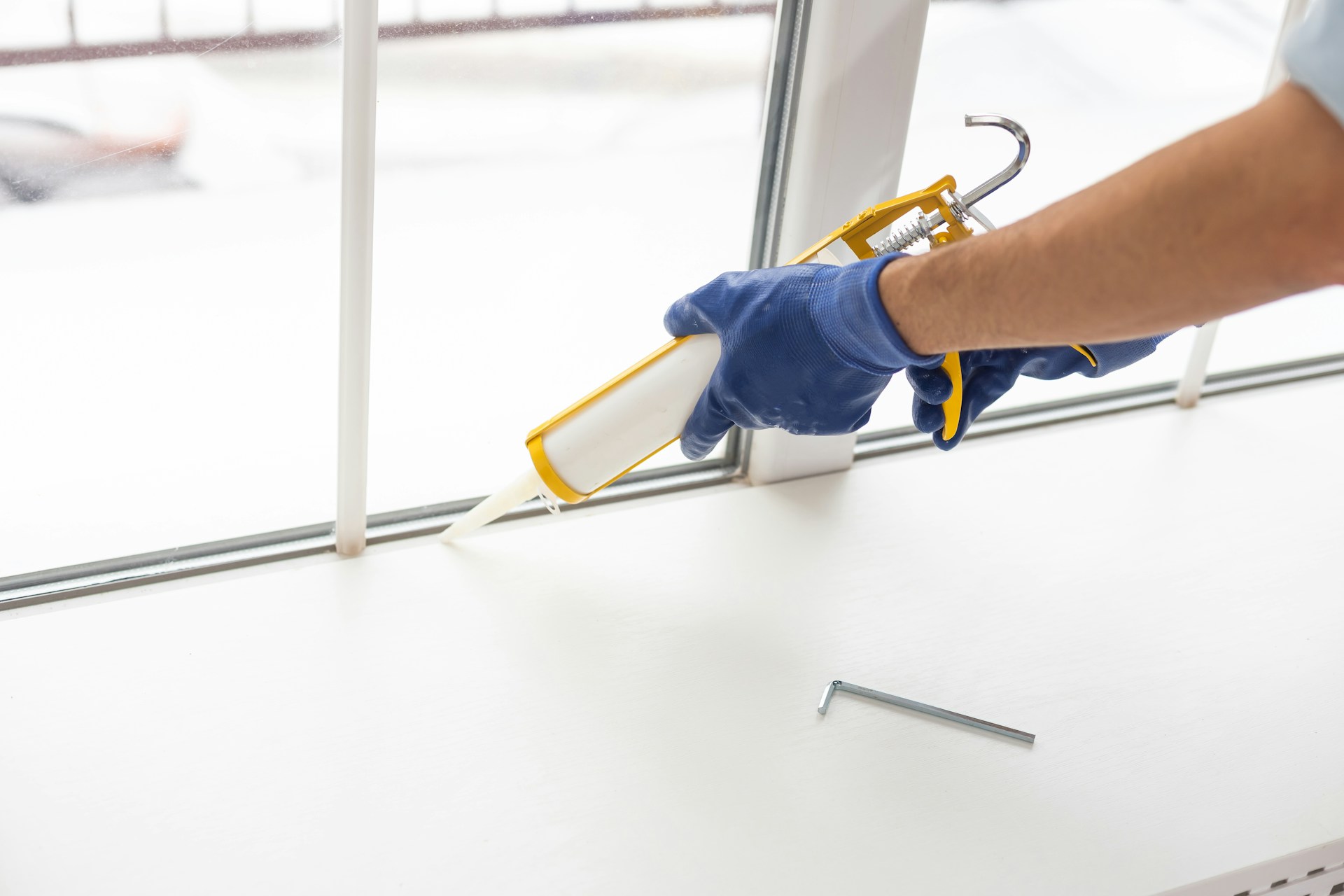
Stopping Repeat Visits by Getting Facade Fire Joints Right
Getting facade joints wrong is one of the fastest ways to end up back on a jobsite when you thought the project was done. Failed fire inspections, leaks after the first storm, or cracked sealant lines can pull crews away from new work and send them right back up on lifts. A big part of that risk starts with how fire joints are designed and sealed.
Fire-resistant sealants give you a way to lower that risk from the start. When they are chosen and installed correctly, they help protect both performance and life safety in curtain walls, rainscreens, and cladding systems. They keep joints tight against air, water, and smoke, and help the building pass inspection the first time instead of on the second or third attempt.
We have seen across many projects that good decisions at the fire joint stage pay off for years. With the right products and support, installers, contractors, and building owners can lock in reliability and stay out of the callback cycle.
Why Facade Joints Fail and Trigger Callbacks
Most callbacks around facades do not come from the big, obvious details. They come from the narrow gaps where systems meet. Common failure modes include:
- Air leakage that shows up as drafts or pressure issues
- Water ingress that stains finishes or leads to mold concerns
- Loss of adhesion or cohesion in the sealant bead
- Movement cracks when the joint is forced beyond its rating
- Missing or wrong firestopping that inspectors flag right away
When you look closer, those failures usually tie back to design or installation choices, such as:
- Joints that are too small or too big for expected movement
- Incompatible substrates that reject primers or sealants
- Inadequate backing materials so the bead never gets its proper shape
- Fire containment at slab edges treated as an afterthought
Reopening a finished facade is never simple. You may need new access equipment, new safety plans, and time windows that work for building operations. Interior spaces can be disturbed. Schedules slip, and word spreads if problems keep returning. Preventing that from the start costs far less than cutting out and redoing failed work later.
How Fire-Resistant Sealants Protect Facade Performance
Fire-resistant sealants are built and tested to do more than just fill a gap. Unlike standard sealants that focus on movement and weathering, these products are designed to slow fire and smoke and to hold that line for a tested period under heat.
Key differences from standard sealants include:
- Special chemistries meant to resist high temperatures
- Tested performance in fire-rated joint and perimeter assemblies
- Listings and approvals that inspectors look for
- Smoke control capability along with fire resistance
When properly selected, the right fire-resistant sealants can:
- Support required fire ratings at perimeter joints
- Resist air and water infiltration in exposed facade conditions
- Handle building sway, thermal movement, and daily expansion and contraction
- Cut down on the chance that one joint causes several different failures
These products matter most at focused points in the envelope, like slab edges behind curtain wall systems, transitions between different cladding materials, panel joints, window perimeters, and service penetrations that break through fire lines. Inspectors often head straight to those locations first, because they know they are common weak spots.
Designing Fire Joints That Minimize Risk From Day One
Good fire joints start on the drawing board, not on the scaffold. Early coordination between facade designers, fire consultants, and product suppliers makes a clear difference. It gives the team time to define joint sizes, movement expectations, and which tested assemblies will be used.
Some best practices for picking fire-resistant sealants include:
- Confirming that products are listed for the joint type and rating you need
- Matching joint movement capability with real building and facade movement
- Checking compatibility with glass, metal, concrete, coatings, and tapes
- Laying out insulation, backing, and sealant as one working system
Documenting all of this up front helps the field team. When drawings include tested systems, installation details, and material names, installers have fewer questions. You avoid last-minute substitutions that might not meet the same fire rating or movement performance, which are common triggers for RFIs, delays, and later callbacks.
Installation Practices That Prevent Failed Inspections
Even the best design will fail if the sealant is put into a dirty, uneven joint. Proper installation is where many projects slip. The basics remain powerful:
- Clean and dry substrates with loose materials removed
- Correct joint width and depth for the product and rating
- Proper backer rods or joint fillers to shape and support the bead
- Primers applied when required by the sealant manufacturer
On-site, a few recurring mistakes cause trouble again and again:
- Wrong depth-to-width ratio, so sealant cannot stretch as designed
- Skipping primer on porous or difficult surfaces
- Applying the sealant in cold, wet, or dusty conditions
- Covering or loading the joint before the product has cured
Jobsite quality controls make it much easier to pass fire and envelope inspections. Many teams benefit from:
- Installer training focused on each specific system
- Mockups that include real joints and fire-rated locations
- Simple checklists for inspectors and foremen
- Basic adhesion or pull tests to confirm proper bonding
These steps are not fancy; they are just steady. But they go a long way in proving that what was drawn is what got built.
Choosing Integrated Systems to Cut Down Callbacks
One of the cleaner paths to fewer callbacks is using coordinated systems from a single, knowledgeable supplier. When fire-resistant sealants, foams, and accessories are designed to work together, you gain:
- Better product compatibility at joints and transitions
- Easier documentation and submittals for approval
- Clearer support when questions come up in the field
At VDB Adhesives, we bring multi-generational experience in construction and industrial applications to help project teams. That background lets us guide choices so you are not guessing or stacking random products in high-risk joints. With project-specific recommendations and technical backup, contractors can reduce trial and error, especially in complex perimeter and curtain wall conditions.
Over time, that kind of partnership helps limit surprises late in construction, smooths fire and envelope inspections, and reduces the chance that warranty work pulls you back to old projects instead of on to new ones.
Locking in Long-Term Reliability on Your Facade Project
Treating fire-resistant sealants as a strategic choice, rather than a last-minute line item, protects more than just the gap in front of you. It helps safeguard building occupants, shields teams from added liability, and protects project margins that are already tight.
A practical next step is to review current facade joint details with a fresh eye. Look at movement assumptions, check where fire-rated joints intersect with weather lines, and compare current product selections with what the codes and real-world conditions demand. Many teams also benefit from a technical review with a knowledgeable supplier who understands both sealants and facade systems.
When fire joints are designed, supplied, and installed with care, they usually stay quiet, which is exactly what you want. Done right, they pass inspection once, keep out fire, water, and air problems, and help you stay off the callback list for good.
Protect Your Facility With Proven Fire-Resistant Sealant Solutions
Make your next project safer and code-compliant with our expertly engineered fire-resistant sealants. At VDB Adhesives, we work with you to match the right products to your specific substrates, exposure conditions, and regulatory requirements. If you are ready to review specifications or discuss a custom solution, contact us so we can help you move forward with confidence.

