 English
  Nederlands
  Français
  Deutsch
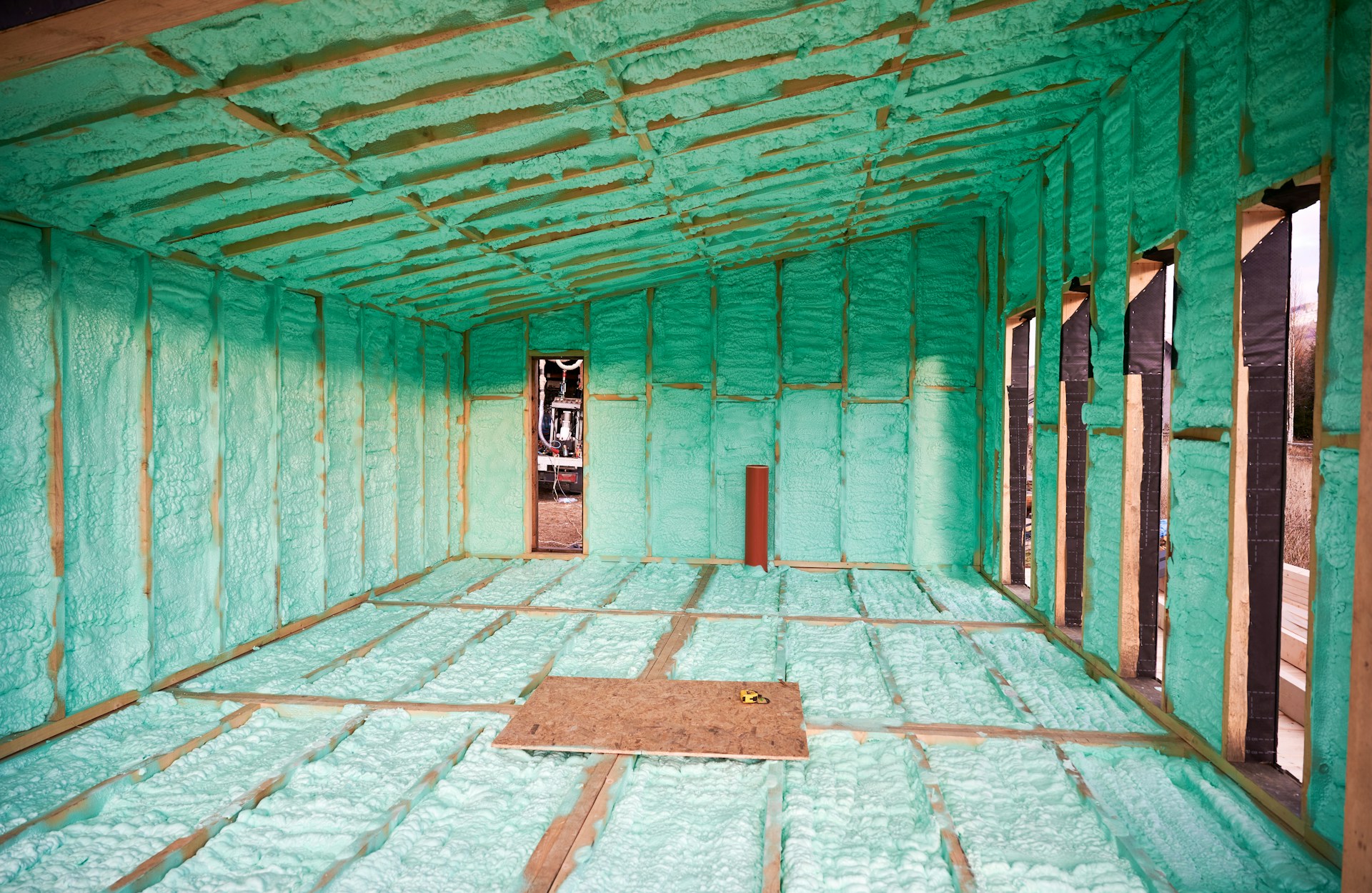
Cold months have a way of showing us every missed seal and hidden gap. When the temperature drops, suddenly the draft by the door or the chill creeping through the attic hatch becomes much harder to ignore. That’s when PU foam insulation becomes a quick, practical fix for keeping the warm air where it belongs.
We use it because it fills tricky spots fast, expands into odd shapes, and helps keep our projects tight when heating matters most. During winter work, it’s one of the few tools that can move with us from one problem area to the next, whether we’re on a new build or helping seal up an older property.
Why Cold Weather Makes Gaps a Bigger Problem
Buildings aren’t static. As things cool down, materials shrink and pull apart just enough to let air and moisture in. Most of the time, these changes are small. But when gaps start opening where warm indoor air meets a colder outside surface, the movement becomes more noticeable.
- Around pipework or electrical feedthroughs, temperature shifts can loosen seals or widen existing holes.
- Gaps might only be a few millimetres, but that’s enough to let draughts through or build condensation where warm, humid air hits a cold surface.
- Heating systems work harder when buildings leak warm air, especially in older homes or commercial spots where insulation isn’t perfect. That extra load adds up fast, whether we’re keeping tenants comfortable or just trying to finish before winter break.
We often spot these problem points when doing late-season checks or follow-ups on prior work. These are the cracks and joints that didn’t stand out during spring or summer but now need attention so cold air doesn’t undo solid builds.
How PU Foam Insulation Performs in Winter Conditions
Not every product holds up well once the thermometer drops. Some slow right down or won’t bond unless surfaces are warm. But PU foam insulation has a few cold-weather qualities that help us keep going even when the air turns sharp.
- One of the biggest advantages is its ability to expand even in lower temperatures. While not as fast as in summer, the foam still fills gaps well and holds its shape once cured.
- That said, colder air will slow down the curing process. We need to allow more time before trimming or painting. If you’re working in an area without heating, it’s smart to check the manufacturer’s guidance on temperature limits for full strength.
- Good foam for winter work should also be water resistant once cured. Condensed moisture often gathers near window seams, pipework, or utility boxes, and any insulation in these spots needs to resist soaking through. Otherwise, you’re left with degraded joints or repeated patch jobs.
That’s why our winter approach shifts from speed to sequencing. We give each application room to settle, time to set, and enough dry space to hold on securely.
We provide high-quality PU foams that are designed for effective expansion and thermal insulation, even during colder periods. Many of our PU foam products are formulated for good adhesion to masonry, wood, plastic, and metal, supporting both new builds and renovations in winter conditions.
Common Areas to Seal Before or During Winter
Some parts of a build always seem to lose heat faster than others. These are spots we revisit as temperatures dip, either to finish off older work or reinforce something that’s started to shift.
- Windows and doors often have small gaps around their frames that expand in winter. Foam works well here, giving just enough flex to stay secure while stopping cold air from creeping in.
- Wall feedthroughs for cables, pipes, or exhaust vents can loosen slightly in cold air. If left open, they let dampness into voids or service runs.
- Attic hatches, ceiling joists, and floorboard edges above heated rooms are often missed spots where warm air escapes. They may not seem major, but over the course of a season, these small gaps can make upstairs areas feel unevenly heated.
- Mixed material junctions, wood against plaster, brick next to PVC, concrete by insulation panels, are all places where winter can reveal settling or movement. PU foam gives us an easy way to reconnect these seams before they widen further.
Knowing where to expect problems lets us plan better and prioritise before winter truly sets in. It’s not about chasing every crack, just fixing the ones that do the most damage to indoor comfort.
Tips for Applying PU Foam Safely and Effectively in Cold Spaces
Working with foam in winter needs a bit of adjustment. Timing shifts, materials behave differently, and improper handling can lead to messy cures or weak bonds. We’ve learned a few good practices that make winter sealing smoother.
- Keep your cans warm before use. If stored too cold, PU foam won’t expand properly. Bringing them up to room temperature before heading on site helps keep consistency solid.
- Use gloves and always shake the can well. In cold weather, mixing is more important since ingredients settle faster. A good shake ensures even flow once activated.
- In heated areas or sealed rooms, leave some airflow open. While foam sets, it releases gases and needs space to cure evenly. A small fan or open window nearby can help move the air just enough to avoid heavy build-up.
- Don’t rush the cut. PU foam takes longer to cure in low temperatures, so resist the urge to slice or sand too soon. Leaving it overnight, especially in colder sections of a building, gives you a stronger result.
- If trimming’s delayed and the foam becomes slightly brittle, warm your blades or gently heat the area beforehand. That keeps the edges cleaner and avoids tearing out fresh seal work.
The winter setup is slower, but the payoff is worth it when you come back weeks later and the seal is still holding tight.
We back our product range with technical data and real-world guidance for challenging conditions, helping teams make informed decisions that result in longer-lasting insulation and energy savings.
A Warmer, Cleaner Finish on Every Job
Small gaps tend to grow once cold sets in. Taking the time to close them up with PU foam insulation can stop heating issues before they spread into bigger problems. We always find it easier to work ahead of chill weather than try to fix draughts in the thick of January.
Knowing where to look, how long to wait, and which conditions matter most helps us keep sites ready without pausing every time the temperature drops. With a bit of foresight and care, a clean finish is still possible long after summer ends.
Preparing for the colder months is all about making sure problem areas are sealed and protected. From window edges to attic joins, the right materials help keep your space comfortable when temperatures drop. Our approach with PU foam insulation is designed to fill awkward gaps and shield against winter draughts. At VDB Adhesives, our years of experience have shown us how small improvements can make a lasting difference once the frost arrives. Contact us to discuss your plans for the season.