 Deutsch
  English
  Nederlands
  Français
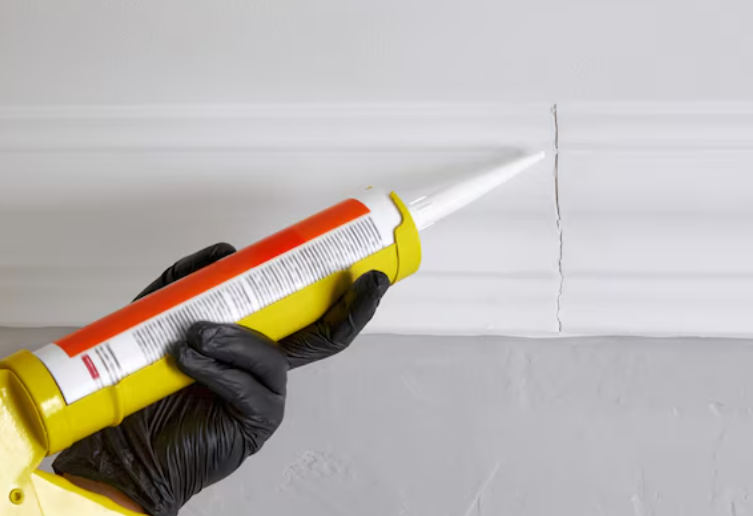
Summer can be hard on door frames. The constant shift from morning cool to afternoon heat makes materials expand and contract, and when people are using those doors more often, things can start to pull and move in places we usually don’t notice. Over time, that type of movement stresses the seals, especially if the wrong product was chosen or applied in a rush.
Acrylic sealants are often picked for this kind of work, especially on exterior doors. But how do they really hold up during the warmest months? In this post, we’re taking a look at how they behave under heat, how they respond to movement, and what we check for before applying them. A door frame might seem like a small space, but a lot happens there when heat, moisture, and frequent use meet in one spot.
Understanding How Summer Heat Affects Door Frames
Heat causes just about every building material to move. On door frames, we often see that with bowing or shifting along the top and sides. Timber frames can expand slowly during long warm afternoons, and even uPVC flexes a little with direct sun. It doesn’t always take a lot of movement to open up gaps around the edges.
In Belgium, summer brings more moisture into the mix too. Positioning of buildings and weather shifts can mean parts of a door stay shaded while others heat up quickly. That kind of combination causes uneven movement across the frame. Humid air or a sudden summer rain can stretch or pull at weak joints if the sealant doesn’t suit the conditions.
To handle this seasonal stress, we look for products with the flexibility to move as needed and strong adhesion so they stay bonded even when surface materials expand and contract. A snug door frame seal in the spring can look quite different by mid-July if that flexibility isn’t there.
VDB Adhesives supplies acrylic sealants designed for use in both interior and exterior applications on building joinery, frames, walls, and ceilings. Our acrylic formulations are made to accommodate joint movement, strong UV exposure, and incidental surface moisture.
Why Acrylic Is a Smart Match for Exterior Frames
We use acrylic sealants often in exterior work because they support movement without losing their grip. That’s helpful on timber or uPVC frames, where seasonal changes are most obvious. These materials don’t stay perfectly still throughout the day, so we need a sealant that can stretch slightly without pulling away or cracking.
Paintability is another reason acrylic works well outdoors. Once cured, they accept paint easily, so they can match trims or surrounding surfaces without standing out. That’s useful around main doors or entry points where appearance matters just as much as function.
We’ve also had success using acrylics in areas exposed to moisture. While not completely sealed off, their water resistant quality offers solid defence during summer showers or when humidity rises. For a long-lasting result, though, we always check that the joint is prepped and dry before applying.
Application Tips That Help Acrylic Perform Better in Heat
Getting the most from a sealant often comes down to how and when it’s applied. Summer brings extra challenges if the timing is off.
- Midday sun can warm surfaces too fast, making the sealant dry oddly or trap small bubbles
- We aim for early morning or late afternoon applications when temperatures are more stable
- Surfaces should feel cool and dry during application, not hot or damp
Joint shape matters too. We prep seams carefully, making sure backing rods are in place if needed and that the joint is smooth. An uneven or dusty gap won’t hold sealant properly, especially outside where weather hits harder. We always apply with a steady bead, building layers evenly so shrinkage doesn’t leave gaps a few weeks later.
For some surfaces, a primer might be needed to help grip. That depends on the frame material and weather exposure. If adhesion is poor during the first few days, warm weather will quickly expose weak spots.
What to Watch for in High-Use Areas Like Doors
Door frames get opened and shut all day in the summer. Pools of heat from footpaths, glare from nearby windows, and the natural pull of gravity on a tall frame all work together to challenge the material bonds along those seams. Over time, we look out for signs like:
- Small cracks or hairline splits along the seal
- Gaps that weren’t there a few weeks ago
- Change in colour on the sealant surface near sun-exposed corners
If the wrong sealant type was used, shrinkage is often the first hint. This shows up as lines pulling away from frame edges, especially near the top edges or where the seal bends around corners. In other cases, the surface layer might peel slightly or shift under pressure.
We use early summer checkups as a way to spot these small shifts before they spread. Catching a soft bond or a lifted corner early can save hours of follow-up later in the season.
Building Door Frames That Stay Strong Through Summer
With the right prep and product match, acrylic sealants can support door frame joints through the busiest parts of the warmer season. They work with the natural shift of frame materials and provide a clean finish that handles heat, light, and normal moisture levels well.
Summer heat doesn’t have to mean early failure at exterior seams. By applying sealants with care and picking a product that keeps its form under both sun and movement, door frames can stay tight, clean, and well-sealed, no matter how many times they’re opened each day. When we work with the season, not against it, results hold better across the whole site.
At VDB Adhesives, we know how much hinges on year-round performance in outdoor builds. From flexible movement to paintable finishes, the right choice can make a difference on every door frame you seal. If you’re working on materials that shift with the seasons, our range of acrylic sealants is built to keep pace. They’re practical, reliable, and hold up well where movement and moisture mix. Get in touch with us to discuss options that match your site needs.

