 Deutsch
  English
  Nederlands
  Français
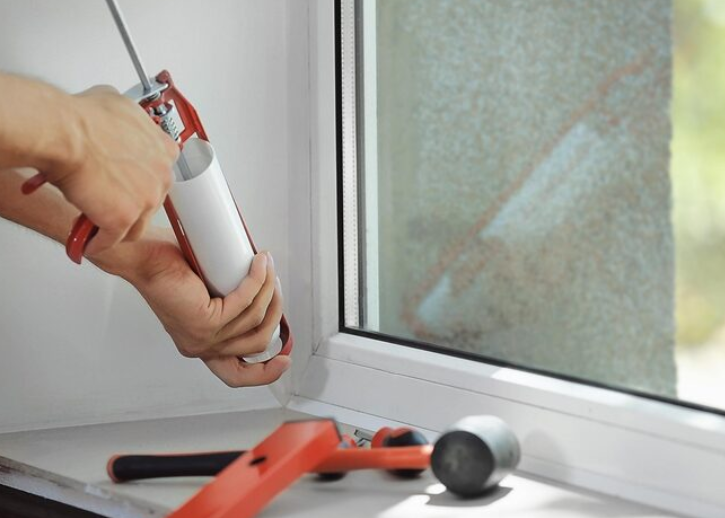
When buildings are being refitted, we’re often working with spaces that were built long before today’s safety standards existed. Fire safety plays a big part in those updates, and it’s not just about alarms or sprinklers. The gaps between floors, around pipes, or near fittings can be small, but if heat or smoke squeezes through, it can undo a lot of protective planning.
Using smart materials early on can help fix that. One key tool we keep reaching for is fire retardant sealant. It can make the difference between a sealed space and a vulnerable one. Instead of tearing out sections or reworking structure, we use sealant to control how fire might spread through the layout. That small step can help keep entire projects safer and get them passed more easily.
What Makes a Sealant Fire Retardant?
Not all sealants respond the same way under pressure. A fire retardant type is designed to hold up when flames or heat hit, keeping the space behind it protected for longer. Some sealants swell when exposed to high temperatures, forming a barrier that slows down heat and smoke. Others stay solid and flexible, holding joints shut for extended periods during a fire.
The big difference between a basic joint sealant and one that’s fire-rated comes down to how long it can last when temperatures spike. Most general-purpose sealants break down quickly under those conditions. A fire-rated sealant, on the other hand, is tested to resist both flames and hot smoke migration.
We tend to rely on these more in:
- Expansion joints in walls and floors
- Gaps around pipework and penetrations
- Door and window frames leading to corridors or exits
These are often the first lines fire or smoke might cross, and sealing them properly matters a great deal in the bigger plan.
Why Fire Safety is a Bigger Deal in Refit Work
Refits force us to take a closer look at older problems. A brand new build gives us clean layers and modern materials to work with, but a retrofitted site comes with decades of patchwork. We’ve seen spots where wooden ducts were never sealed, risers were left exposed, or service gaps weren’t filled. Sometimes, these small oversights go unnoticed until it’s time for a safety check.
When we’re working in shared buildings, this gets even more urgent. Flats with joined hallways, schools with old vent systems, or shops with access to central heating networks can all carry risk between rooms. Fire safety planning ends up being about more than a single space, it connects across the whole structure.
That’s why the sealant gets brought in early in the job. If it’s saved for the end, it can turn into a last-minute hurdle. By making fire safety visible from the start, we’ve got a better shot at smoother sign-offs and fewer delays.
Choosing the Right Sealant for the Job
Not every fire-rated sealant will work the same in every part of the building. The one going along a floor joint needs to flex if the ground shifts slightly. The one around pipes should stick well to metal, concrete, or plastic, even when heat starts to rise. So we look closely at the job before we put anything down.
At a minimum, we check:
- Fire resistance ratings based on hours and temperature exposure
- Whether the sealant flexes or stays rigid, depending on the joint type
- Bond strength with materials like timber, glass, or block
We also look for proper third-party testing. Labels like CE or ETA markings give us confidence that what we’re using has already been looked at and confirmed. It’s a lot easier to face inspections when those markings are in place.
Local rules can also differ. Since we’re working across Belgium, we keep an eye out for regional updates or site-specific demands. Fire-retardant work can be touchy when inspectors dig in, so we stick with trusted materials and a tested approach.
VDB Adhesives provides fire-resistant sealants tested to EN 1366-4, designed to meet compliance requirements for up to four hours of fire resistance in a range of joint types and substrate combinations. Our products are formulated to bond well with modern and older building materials, remaining effective through structural shifts and temperature changes found in refits.
How Proper Use of Fire Retardant Sealant Supports Compliance
No one material makes a building safe on its own, but sealant plays an important part where surfaces meet. These are often the weakest links between larger fireproof spaces. That could be a cable pass-through in a wall, an air duct shared between flats, or the edge where a wall meets an old ceiling beam. When left open, those small areas can let fire jump through fast.
Using the right sealant and laying it properly is one of the steps that helps meet EN standards across refit jobs. There’s more to it than just filling the gap, it has to bond well, dry properly, and hold up under strain. Timing matters too. We usually apply it before other finishes like paint or tile, to avoid cover-ups that might break the seal.
Places we usually seal for compliance include:
- Electrical runs where wiring passes between floors
- HVAC systems and ducting with site-wide air movement
- Older door or window sets with shared fire routes nearby
These are often areas that come up at inspection time, and clean work here tends to make final checks move along faster.
VDB Adhesives offers detailed technical data and support for professionals managing retrofitting, including guidance on product selection and installation methods for reliable fire safety performance in refurbished buildings.
Building Safer Spaces That Hold Up to Scrutiny
Fire safety can seem like just another code to follow, but when you’re dealing with lives and property, cutting corners isn’t worth it. Materials like fire retardant sealant help us build barriers where bigger structural changes aren’t possible or practical. When done right, a small task like sealing a joint can add up to real protection.
We’ve found that staying ahead of the details pays off. If we treat each floor cut, pipe gap, or wall seam as part of the overall fire plan, everything lines up stronger. It’s not just about avoiding rework or passing inspection, it’s about knowing we’ve built something safer than it was before.
Selecting the right materials for your upgrade can make all the difference, and small details like sealing joints or service cuts help slow the spread of fire throughout a building. We rely on a trusted feuerhemmendes Dichtmittel that performs under heat and pressure, proven across many environments and site conditions. At VDB Adhesives, we guide you in making informed decisions from day one, so reach out to discuss your next refit with our team.

