 Deutsch
  English
  Nederlands
  Français
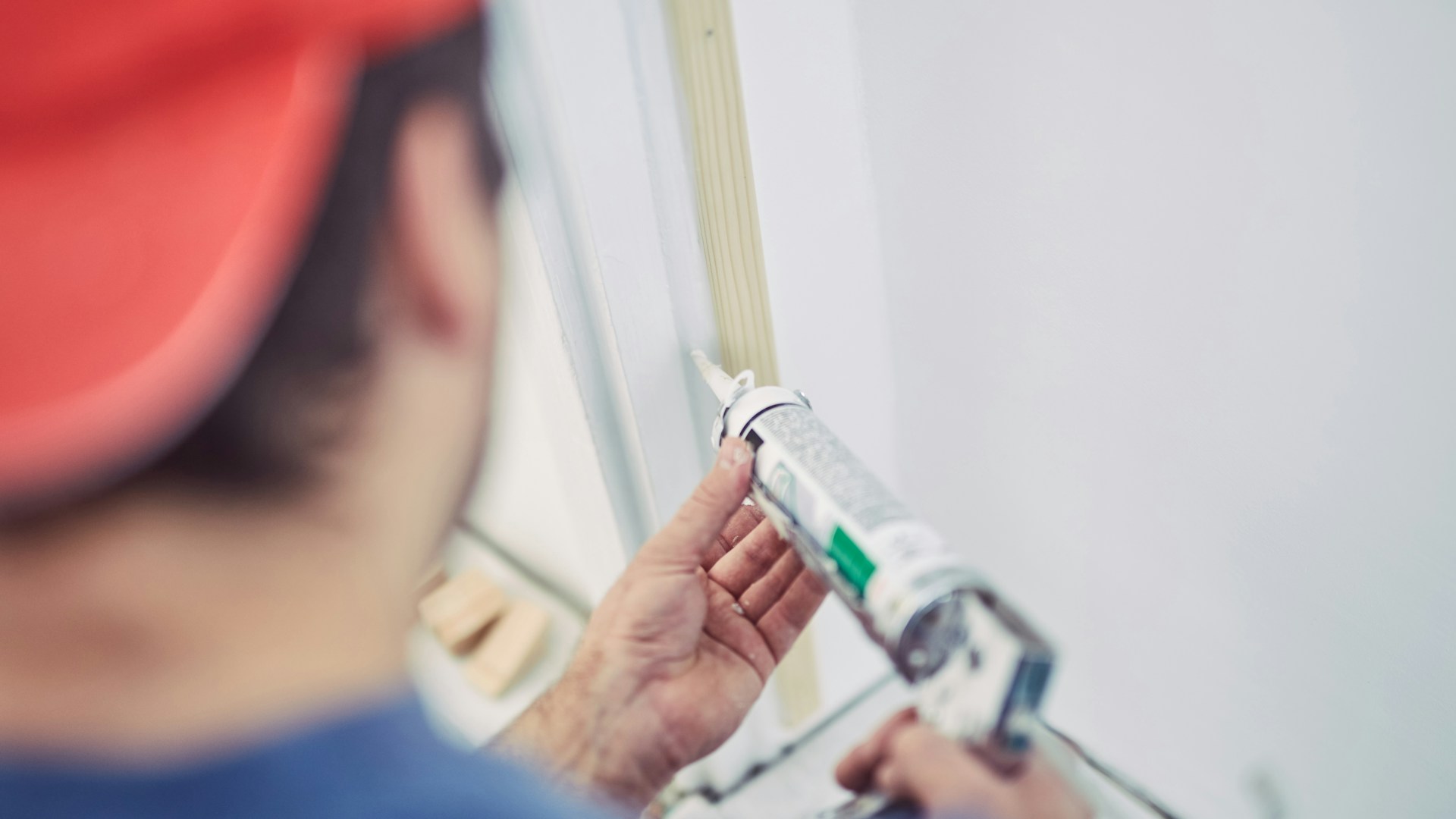
Make Finish Work Last: Why Paintable Hybrids Matter
Choosing the right sealant is one of those quiet decisions that decides whether a job still looks good years later or starts to crack, yellow, and peel at the joints. When you are responsible for finish work, the difference between a standard hybrid sealant and a dedicated paintable hybrid can be the difference between callbacks and compliments. That is why paintable caulk and paintable hybrid sealants deserve more than a passing thought at the end of a project.
Hybrid sealants are based on modified polymer technologies, commonly MS polymer or similar systems, that combine the elasticity of classic sealants with the strength and durability that construction pros want. We see them used everywhere in professional work: window and door perimeters, interior trim, façade cracks, bathrooms and wet rooms, and general interior joints. As expectations for seamless finishes rise in both residential and commercial projects, the pressure is on to deliver joints that not only move but also paint cleanly and keep performing through multiple repaint cycles.
The key question is simple: when does it pay to step up from a standard hybrid sealant to a paintable MS polymer that is tuned for finish work, repaintability, and long-term appearance? At VDB Adhesives, we focus on that question every day, developing paintable hybrid sealants that support professional results from the first application to the next repaint and beyond.
What Makes a Hybrid Sealant Truly Paintable
Not every hybrid that accepts a coat of paint once should be called a paintable hybrid sealant. A true paintable MS polymer is engineered from the start with paint behavior in mind. The polymer backbone, plasticizers, fillers, and surface-active additives are all chosen to control surface tack and cure profile so the sealant accepts paint, forms a smooth film, and holds that finish over time.
A few things have to happen at the surface. The sealant must offer enough wetting so common paints spread easily without beading. Surface tension and slight micro-roughness are balanced so the paint can bite into the surface instead of sitting on a slick, glossy skin. Additives are tuned to keep the surface from staying oily or greasy, which is what often causes rolling resistance and poor leveling when paints are applied.
It also helps to separate two concepts that often get mixed up:
- Paintable means the paint goes on, dries properly, and looks right, with no beading, fisheyes, or cracking.
- Paint compatible means the chemistry of the sealant will not stain or discolor the paint, and the paint will not attack or soften the joint.
Many standard hybrids technically allow you to put paint on top, but the results can be disappointing. They may stay too glossy, repel water-based paints, or create a surface where tight, film-forming coatings do not level. That is when you see patchy sheen differences or visible joint lines telegraphing through the finish.
At the same time, a hybrid sealant has to move. Maintaining elasticity and movement capability while still accepting and holding paint is a real engineering challenge. If the sealant is too rigid, it may crack under movement. If it is too soft and plasticized, the paint film can craze or break. Our work at VDB Adhesives starts with that balance, so the joint remains flexible under load while the paint film stays intact and visually consistent.
Performance on Painted and Renovated Substrates
Renovation work is where paintable hybrid sealant really proves its value. You are often sealing gaps in previously painted trim, siding, window frames, or drywall before a new coat of paint. Those substrates can be a mix of old acrylic paints, alkyd enamels, façade coatings, or unknown previous products.
A paintable MS polymer for renovation is formulated to grip these common coatings without needing aggressive priming in every situation. The idea is simple: bond well to the aged paint, accept the new coating, and keep that sandwich of materials stable under movement. This is especially important on interior trim and window surrounds where fine cracks or peeling at the edges stand out immediately.
Surface preparation is still important. In general:
- Remove loose, flaking, or badly chalking paint completely.
- Clean and degrease the area, then allow it to dry.
- Lightly sand or de-gloss very shiny finishes to improve mechanical key.
- Use a compatible primer if the existing coating is questionable or has low adhesion to the substrate.
Standard hybrid sealants often adhere very well to raw mineral surfaces, untreated wood, or new construction materials. The challenge comes when they are applied over aged paints, especially ones with low surface energy or heavy chalking. In those cases, you may see reduced adhesion, edge peeling, or micro-gaps appearing between sealant and paint over time. A dedicated paintable hybrid sealant is tuned to avoid those problems as much as possible on prepared surfaces.
Compatibility with Latex and Solvent-Based Paints
For most interior and façade projects, latex architectural paints are the main concern. Paintable MS polymer chemistry is adjusted so that, once the sealant has skinned and cured sufficiently, latex paints wet the surface and dry without defects. The overcoating window depends on joint size, temperature, and humidity, but the sealant should not feel soft or heavily tacky when painted.
With solvent-based coatings, things get more demanding. Alkyd enamels, metal primers, and certain façade paints contain solvents that can interact with the sealant. If the hybrid sealant is not tuned for this, you can see slower drying, glossy or dull patching over the joint, or even softening of the sealant surface. A paintable hybrid range is formulated to resist these effects within normal film thicknesses.
Practical tips include:
- Respect the cure time of the sealant before overcoating, especially with solvents.
- Keep paint film thickness reasonable over joints, building in thin layers if needed.
- Avoid the most aggressive solvent systems on fresh joints whenever you can.
- Run a small test patch with the planned paint system if you are unsure.
At VDB Adhesives, our paintable hybrid range is tested against common professional paint systems, both latex and solvent-based, so finish complaints and compatibility surprises are kept to a minimum.
When to Choose Paintable Hybrid Over Standard Hybrid
There are many applications where a standard hybrid sealant is still a smart choice. Structural or concealed joints, industrial sealing where aesthetics are not a priority, and applications where no repainting is expected often do not justify the added focus on paintability. If the joint will be hidden behind cladding or left in the sealant color for its entire life, a high-quality standard hybrid can be the practical option.
Paintable hybrid sealant really stands out in visible, finish-critical areas:
• Interior trim joints and baseboards that will be painted.
• Window and door surrounds where the sealant line should disappear.
• Façade crack repairs that will receive a uniform coating.
• Renovation work where surfaces must be ready for repainting today and again in future cycles.
Over time, the differences show up in joint appearance, color uniformity, and dirt pickup. A well-designed paintable caulk or hybrid sealant supports tight paint edges that stay bonded, so you see fewer hairline cracks or dirty streaks forming along the joint. Repaint cycles are easier because the existing paint film is sound over the joint, so you are not starting from failure every time you change color.
Practical Jobsite Tips and Choosing the Right VDB Paintable Hybrid
Even the best paintable MS polymer or hybrid sealant needs proper jobsite practice. Solid basics give you the best chance for a long-lasting finish:
- Clean, dry, solid substrates are non-negotiable.
- Degrease and remove dust and loose particles before applying sealant.
- Lightly sand glossy or very smooth paints to create a better key.
- Respect joint design rules for width, depth, and use of backer rod.
- Tool the joint to compact the sealant and create a smooth profile.
Curing time before painting is influenced by joint size, temperature, and humidity. Cooler, more humid conditions slow cure, so the safe repaint window might be longer. In warmer, drier conditions, the surface can often be painted sooner, as long as the skin is firm and not easily damaged by light pressure.
It is also worth setting expectations with clients and site managers. Even with an excellent paintable hybrid, there may be subtle differences in texture or sheen between the sealant bead and the surrounding painted surface, especially under raking light. Explaining this up front and aiming for neat joint design helps everyone judge the result fairly.
For many professionals, the simplest approach is to standardize on one trusted paintable hybrid sealant for most visible joints, while keeping standard hybrids available for structural or hidden areas. At VDB Adhesives, our paintable hybrid range is developed to support that kind of straightforward decision-making, combining strong adhesion, reliable movement capability, and broad paint compatibility so your finish work has the best chance to perform and look right over the long term.
Get Started With Your Project Today
If you are ready for a cleaner, more professional finish on every job, explore our paintable caulk solutions designed to perform in real-world conditions. At VDB Adhesives, we work closely with customers to match the right products to their substrates, schedules, and performance needs. Tell us about your application and we will help you choose the best approach for long-lasting results. Have questions or need a custom recommendation, just contact us and our team will respond promptly.

