 English
 Nederlands
 Français
 Deutsch

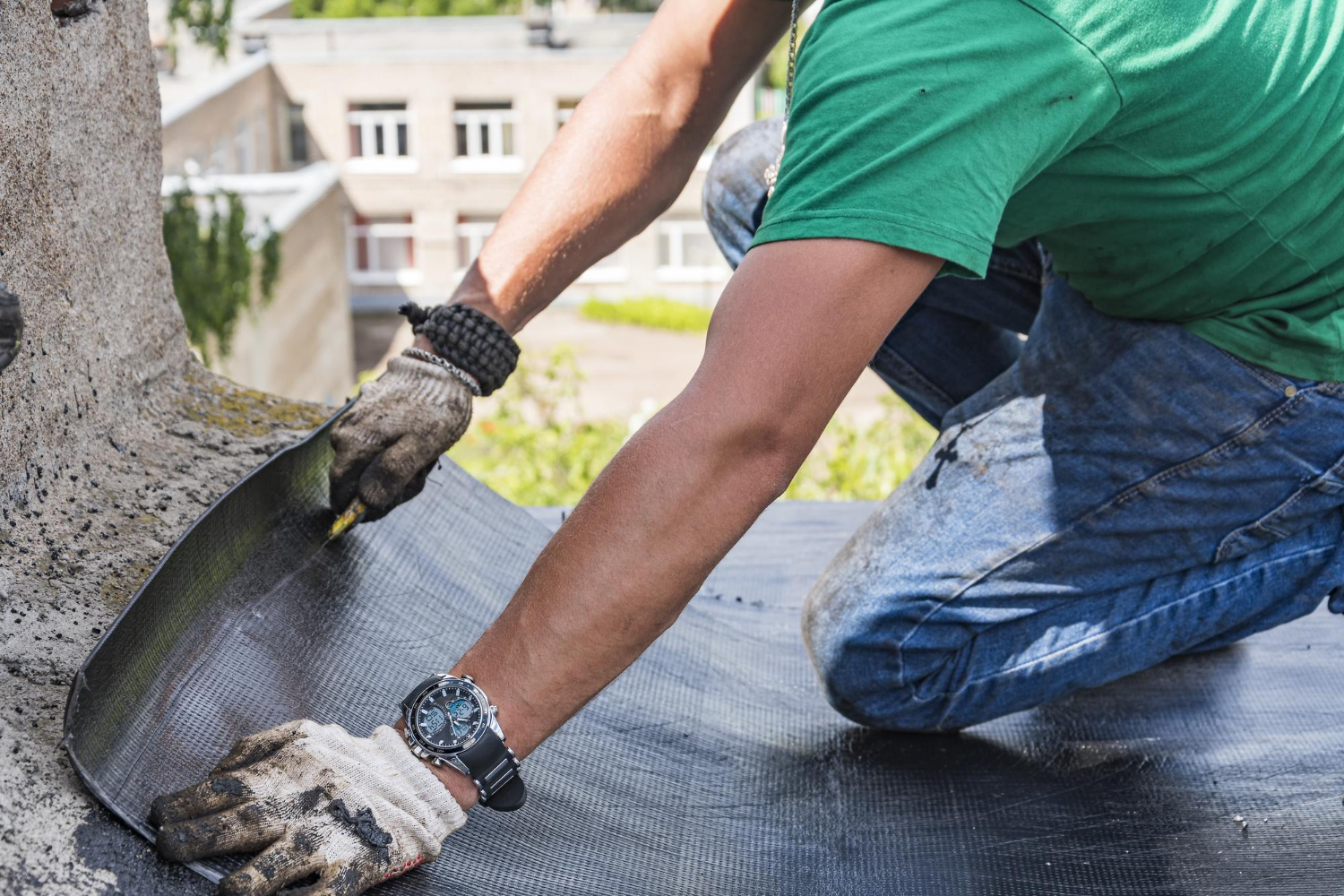
Choosing the Right EPDM Bonding Solution
EPDM membranes do a big job. They keep water out, protect the building, and need to last a long time. The adhesive you pick is just as important as the membrane itself, because even the best sheet will fail if the bond underneath is weak, patchy, or not suited to the task.
When people say “EPDM adhesives,” they often mean any product that can bond EPDM rubber in construction or industry. “EPDM roofing adhesive” is more specific. It is made for bonding EPDM roofing membranes and accessories on the roof, where weather, movement, and safety demands are very different from other jobs.
Using the wrong product can lead to early leaks, loose seams, damage to insulation, and even questions around warranties or building approvals. Matching the adhesive to the application, the substrate, and the way you install is one of the simplest ways to protect your work, your reputation, and the building itself.
What Makes EPDM Adhesives Different From EPDM Roofing Adhesives?
EPDM adhesives are a broad family. These products are used to bond EPDM parts in many areas of construction and industry. EPDM roofing adhesive is a specific member of that family, tuned for flat and low-slope roofs.
In general, you will see EPDM adhesives used to bond things like:
- EPDM profiles and gaskets
- Façade and window seals
- Industrial EPDM components and strips
- Small assemblies in HVAC and ventilation systems
EPDM roofing adhesive is focused on:
- Bonding roofing membranes to decks or insulation boards
- Fixing vapor barriers or separation layers
- Securing upstands, corners, and roof details
The performance goals are different too. Roofing adhesive is designed to cover large surfaces evenly, hold up to constant weather exposure, and move with the building without letting water in. It needs to handle wind, sun, and temperature swings on the roof.
Other EPDM adhesives might focus more on:
- Fast assembly and short press times
- High elastic bonding in tight spaces
- Adhesion to metals, plastics, or coated surfaces
- Chemical or temperature resistance inside industrial equipment
So while both may say “EPDM” on the label, the way they are tuned, tested, and used can be quite different.
Comparing Chemistry, Curing, and Performance Demands
EPDM adhesives and EPDM roofing adhesive can be based on several chemistries. Each type behaves a bit differently on the job.
Common systems include:
- Solvent-based adhesives with strong initial tack and fast drying
- Water-based adhesives that are lower-odor and more user-friendly in some indoor areas
- Polyurethane and hybrid systems that offer very strong, elastic bonds
- Contact adhesives that are applied to both surfaces, then pressed together
On a roof, open time and tack development are very important. The installer may be working in sun, wind, or cooler temperatures. Roofing adhesive needs to be predictable so the crew can roll out large sheets, position them correctly, and create consistent bonds. Changes in temperature and humidity all affect how fast the adhesive flashes off and when the membrane can be laid.
Performance demands on a roof also include:
- Resistance to wind uplift forces
- Fire classification where required by codes
- Long-term UV and moisture exposure
- Movement from temperature changes and building settlement
In non-roof EPDM bonding, the stresses can look very different. You might have:
- Constant vibration in transport or machinery
- High pressure from compression of gaskets
- Regular cleaning chemicals or process fluids
- Tight cycles on a production line
That is why choosing chemistry and curing behavior for each project is so important. The “right” EPDM adhesive depends as much on the job as on the rubber itself.
Application Techniques and Best Practices on the Roof
On roofs, the way EPDM roofing adhesive is applied matters just as much as which product you choose. Even coverage and the correct adhesive weight help avoid weak spots, bubbles, or hollow areas that can trap water.
Typical installation methods include:
- Roller application for controlled, even coverage on flat areas
- Spray application for faster work on large surfaces
- Bead or trowel application for details, edges, and penetrations
Proper substrate preparation is always the first step. Surfaces need to be:
- Clean and free from dust or loose particles
- Dry enough for the adhesive to bond
- Primed, if the system calls for it, especially on tricky substrates
Ambient temperature can cause trouble if it is ignored. In cooler conditions or at night, curing will slow down, and open times change. In hot sun, adhesive can flash off too quickly. Following the technical data sheet for temperature ranges, flash-off times, and rolling instructions gives a much more reliable result.
Some common roof mistakes include over-rolling and squeezing too much adhesive away, not allowing enough flash-off time, or mixing products that were never designed to work together. System-matched products and clear guidance from a specialist supplier help installers avoid these problems and keep bonds consistent from one corner of the roof to the other.
Where General EPDM Adhesives Excel Beyond the Roof
Away from the roof, EPDM adhesives open up many smart options for building and industry. EPDM is widely used for sealing, damping, and protecting, and each of those roles can call for a different adhesive setup.
Typical non-roof uses include:
- Façade and window systems where EPDM profiles seal joints
- Industrial gaskets for equipment and enclosures
- HVAC and ventilation components that need airtight connections
- Transport, bodywork, and specialty vehicle builds
- Prefabricated building elements assembled in a factory
In these situations, EPDM adhesives are often tailored for things like:
- High initial grab so parts stay put without heavy clamping
- Vibration damping to keep noise and wear down
- Strong adhesion to metals, coated surfaces, plastics, and composites
- Compatibility with paints, sealants, and other materials used nearby
Production processes matter too. An adhesive for a fast assembly line might need very short curing times or be easy to automate with pumps and application guns. A more manual process might favor a longer open time and easy clean-up. Working with a specialist supplier helps match adhesive choice to how the work is actually done on site or in the factory.
How to Select the Right EPDM Adhesive System Every Time
When choosing between EPDM adhesives and EPDM roofing adhesive, it helps to follow a simple path.
Start with:
- Is this a roof or a non-roof application?
Then consider:
- Which substrates are you bonding together?
- What kind of exposure will the bond see over time?
- Which installation or production method are you using?
Technical data sheets and system approvals tell you how each product is designed to perform. They are more reliable than product names alone, which can sometimes sound similar even when the uses are very different.
At VDB Adhesives, we focus on professional adhesives, sealants, PU foams, EPDM adhesives, tapes, and related products for construction and industrial applications. By looking at the full picture of your project, from substrate to exposure to installation method, we can help specify an EPDM bonding system that keeps work quality high, supports long-term durability, and fits smoothly into the way your team already builds.
Get Started With Your Project Today
If you are ready to improve the durability and reliability of your roofing system, explore our full range of EPDM adhesives tailored to different installation needs. At VDB Adhesives, we work closely with contractors and distributors to help match the right product to each specific application. If you have questions about compatibility, performance, or ordering, contact us so we can support your next project from planning through installation.

