 Nederlands
  English
  Français
  Deutsch
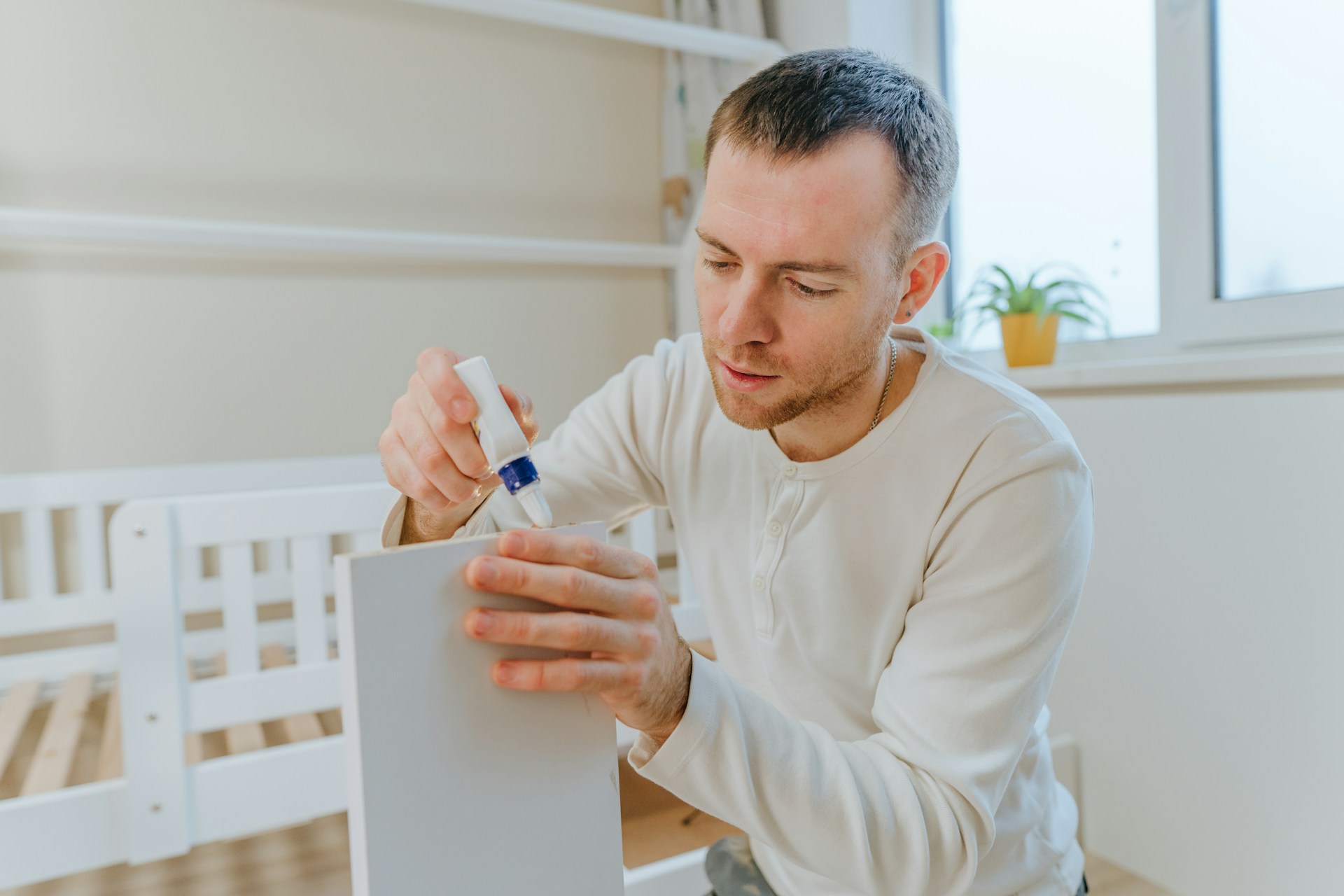
Kou is niet bevorderlijk voor het werken met lijm. Iedereen die wel eens hout heeft moeten verlijmen in een nauwelijks verwarmde ruimte of in de buitenlucht, weet hoe lastig dat kan zijn. Vooral in België, waar natte ochtenden en ijskoude nachten zich uitstrekken van de late herfst tot aan Nieuwjaar, is het niet voldoende om met standaardmateriaal aan de slag te gaan. Hoe houtlijm zich gedraagt bij zulke kou, hebben we door ervaring moeten leren.
Goede verbindingen in de winter krijgen vereist meer dan alleen een vaste hand. Het betekent vooruitdenken over hoe het droogproces vertraagt, hoe vorst of vocht het hout beïnvloedt en of de lijm die je gebruikt nog steeds goed hecht zonder warme lucht. Voor iedereen die in België houtlijm gebruikt tijdens de koudere maanden, loont het om de werkwijze, het gebruikte materiaal en de omstandigheden aan te passen. Een paar kleine aanpassingen in timing of producttype kunnen ervoor zorgen dat de verbindingen het tot in het voorjaar goed houden.
Hoe koud weer de prestaties van houtlijm beïnvloedt
Wanneer de temperatuur daalt, reageren de meeste lijmen anders, en niet op een goede manier. Een belangrijk gevolg is een langere uithardingstijd. Lijm die bij mild weer snel uithardt, heeft bij temperaturen rond het vriespunt ineens uren, zelfs dagen nodig om volledig uit te harden. Dat vertraagt de planning en maakt verbindingen kwetsbaarder dan nodig.
Kou vertraagt niet alleen het proces, maar verandert ook het gedrag van de lijm zodra deze uit de verpakking is gehaald.
• Lagere temperaturen verkorten de open tijd, waardoor er minder ruimte is voordat er een velletje op komt of de stukken uit hun lijn worden getrokken.
• Condensatie of vocht op het oppervlak kan de hechting belemmeren, vooral als het hout vocht heeft opgenomen voordat er gelijmd wordt.
• Flexibiliteit in uitgeharde verbindingen wordt belangrijker. Door de kou krimpen materialen, en lijm die daar niet in mee kan bewegen, loopt het risico dat de verbinding scheurt.
Daarom besteden we in de winter veel aandacht aan de producteigenschappen. We controleren of de lijm nog steeds een sterke hechting biedt, een beetje uitzetting kan opvangen en bestand is tegen de wisselende temperatuur van dag tot nacht.
Veelvoorkomende uitdagingen bij koud weer op Belgische bouwplaatsen
De winters in België zijn niet extreem, maar ze zorgen wel voor een lastige combinatie van omstandigheden voor klussen waarbij de onderlinge band tussen mens en dier belangrijk is. Veel werk vindt nog steeds buiten plaats of in casco's zonder verwarming, vooral bij nieuwbouwprojecten of renovaties waarbij nog deuren en ramen moeten worden geplaatst.
De droogruimte is beperkt en de planten staan constant bloot aan de elementen. Je kunt een klein stukje afdekken met folie of een tent, maar meestal moet je het doen met wat er voorhanden is.
• Condensatie is een veelvoorkomend probleem; het kan zich ophopen op hout na vochtige nachten of ontstaan wanneer koude lijm in contact komt met een iets warmer stuk hout.
• Hout kan nachtvorst vasthouden en die in de werkruimte brengen. Door die verborgen kou gaat de lijm uitlopen in plaats van hechten.
• De daglichturen zijn kort in december, wat de werktijd beperkt en de uithardingstijd vertraagt.
We hebben gezien dat projecten vertraging opliepen simpelweg omdat niemand de lijm aan de praat kreeg. Weten wanneer je moet wachten en wanneer je moet afdekken, maakt een verschil, maar het kiezen van een formule die bij het seizoen past, is net zo belangrijk.
De juiste houtlijm kiezen voor de Belgische winters
Niet alle lijmen zijn even goed bestand tegen kou. Sommige harden te snel uit of reageren zo traag dat de klus vertraging oploopt. Bij het kiezen van lijm in de winter houden we rekening met wat de lijm moet doen onder druk, of hij nat hout moet lijmen, hoe hij moet drogen in de koude lucht en of hij na uitharding bestand moet zijn tegen beweging.
• Lijmen op basis van polyurethaan of hybride lijmen presteren vaak beter in zware winteromstandigheden. Ze hechten goed aan vochtige oppervlakken en harden uit zonder buitenwarmte.
• Waterbestendige lijmen zijn een belangrijke keuze. De winter brengt extra vocht in de naden, zelfs als het niet direct duidelijk is dat je in een vochtige omgeving werkt.
• Flexibiliteit is vooral in de winter belangrijk. Door de kou krimpt het materiaal, waardoor een stijve lijm kan barsten waar een flexibele lijm wel hecht.
Door het juiste type lijm te gebruiken, zijn er minder nabewerkingen nodig en krijg je een veel gladder resultaat, zelfs onder tijdsdruk. We kijken goed naar wat in voorgaande koude seizoenen goed heeft gewerkt en blijven vasthouden aan wat zich bewezen heeft.
Wij bieden een selectie houtlijmen die specifiek geschikt zijn voor het Belgische klimaat, waaronder producten die hun hechtsterkte en flexibiliteit behouden bij lage temperaturen en een hoge luchtvochtigheid. Deze lijmen worden door professionals vertrouwd vanwege hun snelle uitharding en duurzame resultaten, ook tijdens de koudste maanden.
Beste werkwijzen voor het aanbrengen van houtlijm bij lage temperaturen
Techniek is in de kou net zo belangrijk als productkeuze. Zelfs de beste lijm biedt geen uitkomst als het hout doorweekt of volledig bevroren is. De winter dwingt ons om de kleine details extra aandacht te geven.
• Bereid eerst de ondergrond voor. Hout moet droog zijn en een temperatuur hebben die dicht bij de juiste waarde ligt, vaak rond de 5 °C of hoger, voor een goede hechting.
• Houd de weersvoorspelling in de gaten. Plan lijmwerkzaamheden indien mogelijk op iets warmere, drogere dagen. Lijmverbindingen die tijdens regen of sneeuw uitharden, kunnen mogelijk nooit goed hechten.
• Als u twijfelt over de droogomstandigheden, gebruik dan een hoes of zeil om de gewrichten te beschermen. Zelfs een eenvoudige bescherming tegen wind en nachtelijke lucht is al voldoende.
• Dien uw aanvraag in bij daglicht en geef het indien nodig meer tijd. Een hypotheekaanvraag in december overhaasten kan u twee keer zoveel kosten als deze halverwege januari wordt afgewezen.
Winterse uitdagingen zijn onvermijdelijk, maar met een scherp oog en een gedegen voorbereiding verlopen de meeste koudlijmklussen toch probleemloos. Wij vertrouwen nooit op snelle oplossingen, maar altijd op wat bewezen effectief is.
Het optimaliseren van de hechtsterkte gedurende het koude seizoen.
Kou hoeft niet altijd een belemmering te zijn. Met de juiste producten en methoden kunnen we projecten ook in de tweede helft van het jaar voortzetten. Succesvol lijmen in de winter vereist kennis van houteigenschappen, de behoeften van de lijm en de veranderende omgevingsomstandigheden van ochtend tot middag.
Seizoensgebonden omstandigheden beïnvloeden zowel het materiaal als de afwerking. De meeste houtsoorten veranderen gedurende het seizoen enigszins van formaat, als reactie op de dagelijkse temperatuur en luchtvochtigheid. Een beetje uitzetting en krimp is te verwachten. De lijm moet meebewegen, niet ertegenin gaan.
• Kies lijmen die na uitharding flexibel blijven.
• Houd rekening met een langere uithardings- en droogtijd tijdens de koudere maanden.
• Vermijd contact tijdens het koudste deel van de dag; de late namiddag of vroege avond zijn riskant.
Door hier rekening mee te houden bij de planning, hebben we de afdichtingen stevig en de voegen schoon kunnen houden, zelfs midden in de winter. Extreem weer betekent niet altijd dat we moeten stoppen met werken, maar wel dat we het slimmer moeten aanpakken.
De juiste lijm kiezen is belangrijk voor betrouwbare resultaten, vooral in de koudere maanden. Bij VDB Adhesives ondersteunen we oplossingen die flexibel blijven, consistent uitharden bij lage temperaturen en sterk blijven ondanks de winterse vochtigheid. Als u in België projecten beheert waarbij houtlijm wordt gebruikt, kan het juiste product het verschil maken. Bekijk ons volledige assortiment op onze website. houtlijm in België Zie de pagina en neem contact met ons op als u deskundig advies of ondersteuning nodig heeft voor specifieke toepassingen.

