Nederlands
  English
  Français
  Deutsch
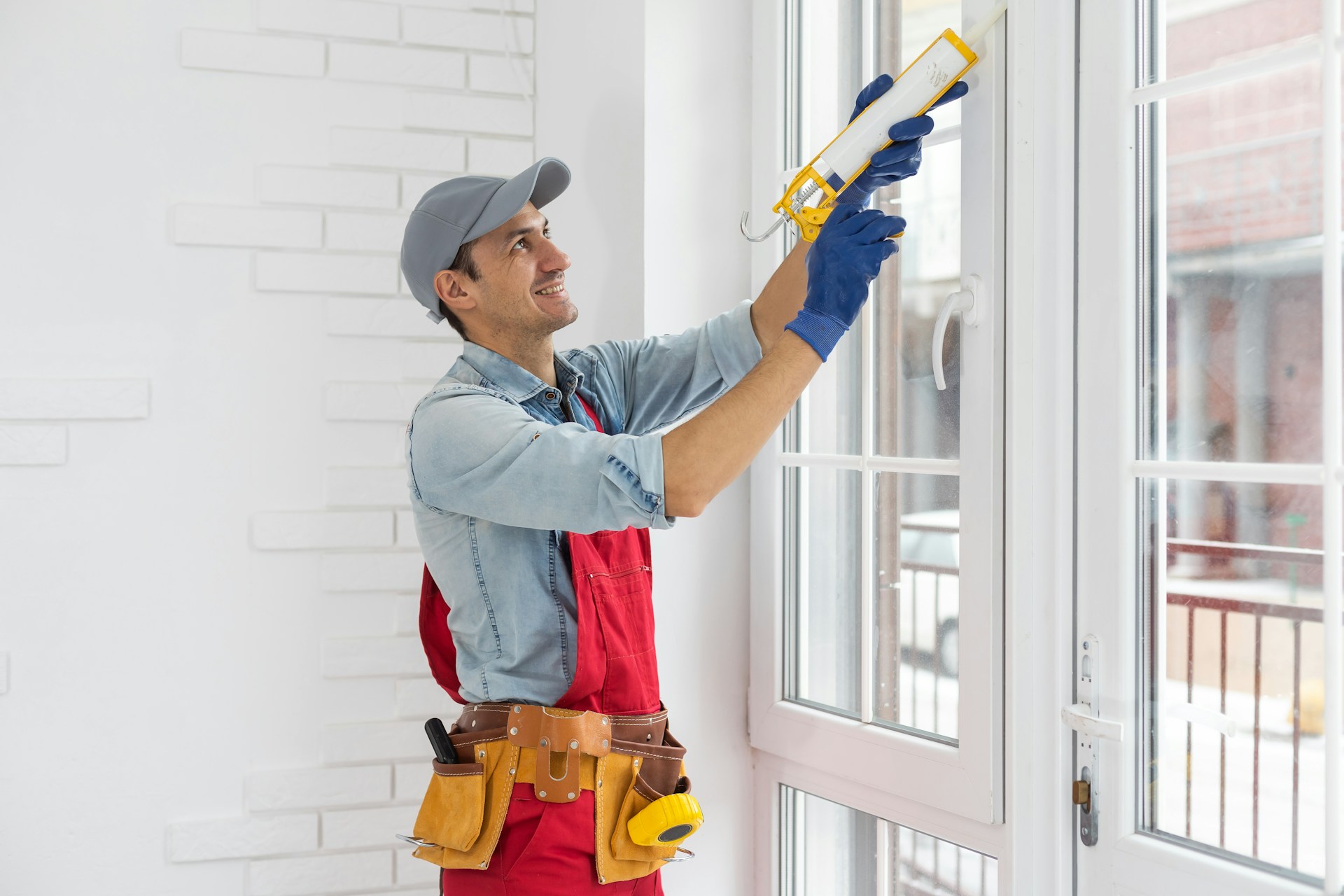
De winter vertraagt veel dingen, maar voor kitwerkzaamheden in België is het echte probleem niet alleen de kou. Het gaat om wat ermee gepaard gaat: vochtige lucht, afkoeling van het oppervlak, krimpende voegen en langere uithardingstijden. Het is niet altijd makkelijk om een goede hechting te krijgen als het weer niet meewerkt.
De juiste siliconenkit in België helpt bij het beheersen van deze wisselende omstandigheden. Het moet niet alleen hechten, maar ook flexibel, verwerkbaar en bestand zijn tegen problemen veroorzaakt door vocht of koude ondergronden. Maar zelfs met betrouwbare materialen hangt het succes net zozeer af van hoe en wanneer we ze aanbrengen. Een goede voorbereiding en een slimme timing kunnen het verschil maken zodra de temperaturen dalen.
Hoe koud weer de prestaties van kit beïnvloedt
Koude lucht maakt het werk niet alleen minder prettig, het verandert ook het gedrag van de kit. Materialen reageren verschillend op temperatuur, en dat geldt ook voor de kit die ertussen wordt gebruikt.
• Bij koud weer verloopt het uithardingsproces trager. Wat normaal gesproken een dag duurt, kan langer duren. Als de hechting binnen die tijd niet goed verloopt, kan de afdichting mislukken.
• Bouwmaterialen zoals baksteen, beton of metaal kunnen krimpen bij lagere temperaturen. Daardoor bewegen de voegen en komt er spanning te staan op de nog aan het uitharden van de kit.
• Als er vocht op het oppervlak aanwezig is, zelfs als het maar een beetje vochtig lijkt, kan siliconen moeilijk hechten. Vochtige ondergronden kunnen de hechting belemmeren en later holtes of openingen veroorzaken.
We meten altijd zowel de oppervlaktetemperatuur als de luchttemperatuur. Het is makkelijk te vergeten hoe koud een stuk beton in de schaduw kan aanvoelen, zelfs als het niet vriest. Door wisselende weersomstandigheden kunnen zelfs binnenruimtes in de buurt van ramen of deuren kouder aanvoelen dan verwacht. Daarom is het verstandig om verschillende plekken waar de kit wordt aangebracht aan te raken en te controleren. Bij buitenwerkzaamheden is het aan te raden een contactloze thermometer te gebruiken om vergelijkbare metingen te verkrijgen tussen de verschillende werkgebieden.
Waarom siliconen een geschikte keuze zijn voor de Belgische winter?
Niet alle kitsoorten zijn even geschikt voor een vochtige Belgische winter, waar milde kou en vochtige lucht vaak de norm zijn. Daarom geven wij de voorkeur aan siliconenkit, die doorgaans lang na de uitharding van andere oplossingen nog steeds goed verwerkbaar en betrouwbaar blijft.
• Siliconen blijven flexibel na uitharding. Die elasticiteit is vooral belangrijk wanneer materialen bewegen door kou of veranderende vochtigheid.
• Het hecht goed aan hout, steen, metaal en meer, zelfs bij minder ideale temperaturen. Zolang het oppervlak schoon en droog is, krijg je een consistente hechting.
• Dunnere voegen of delen die meebuigen met het verkeer, zoals deurkozijnen of plinten, hebben baat bij siliconenkit omdat deze meebeweegt in plaats van te barsten of los te laten.
Desondanks is het kiezen van een kwaliteitsproduct slechts de helft van het verhaal. We moeten ook nog nadenken over hoe en wanneer we het gebruiken.
Wij bieden een reeks professionele siliconenkitten aan, getest op langdurige hechting en elasticiteit onder de Belgische winterse omstandigheden. Onze oplossingen zorgen voor sterke verbindingen, zelfs bij lichte vochtigheid van het oppervlak, en houden projecten gaande, ook bij onvoorspelbaar lokaal weer.
Wanneer de temperaturen dalen of de lucht aanhoudend vochtig aanvoelt, kiezen aannemers en bouwbedrijven in België vaak voor siliconenkit, zowel bij nieuwbouw- als renovatieprojecten. Sommige hybride of acrylkitten kunnen na een paar weken temperatuurschommelingen afbreken of hun hechting verliezen, maar siliconenkit behoudt zijn hechting meestal gedurende het hele seizoen. Dit maakt het bijzonder geschikt voor ruimtes rond ramen, uitzettingsvoegen aan de buitenkant en binnenruimtes waar de luchtvochtigheid schommelt.
Voordat u een kit kiest, is het verstandig om de productinformatiebladen te raadplegen voor specifieke toepassingen. Hierin vindt u informatie over de temperatuurbereiken voor zowel het aanbrengen als de uiteindelijke uitharding, zodat u zeker weet dat de kit bestand is tegen de weersomstandigheden. Sommige fabrikanten produceren ook speciale wintervarianten met toevoegingen die de uitharding versnellen of de vochtbestendigheid verbeteren. Deze zijn het overwegen waard wanneer kritieke projecten doorlopen tot in de late herfst en winter.
Tips voor een betere afdichting in koude, vochtige omstandigheden
Werken in de winter betekent niet gokken, maar gewoon wat voorzichtiger zijn. We hebben een aantal manieren om ervoor te zorgen dat de kit soepel wordt aangebracht, zelfs op een vochtige januaridag.
• Wij kiezen voor kitsoorten met een breed uithardingsbereik. Sommige zijn geschikt voor temperaturen rond het vriespunt, terwijl andere niet hechten bij temperaturen onder 5°C. Het is belangrijk om het etiket te lezen.
• Timing is belangrijk. Als we buiten of in de buurt van een tocht afdichten, proberen we dit rond het middaguur te doen, wanneer de temperaturen meestal het hoogst zijn. Zelfs een temperatuurstijging van 3 tot 4 graden kan al helpen.
• Het droog houden van oppervlakken is essentieel. We controleren hoeken en richels op verborgen vocht en drogen deze indien nodig met schone doeken of lage warmte voordat we beginnen.
Omdat de winterdagen korter zijn, helpt vooruit plannen ons om te voorkomen dat we tegen de duisternis en de koelere avondlucht in moeten racen.
Om verrassingen te voorkomen, houden we de weersvoorspellingen in de gaten en proberen we buitenwerkzaamheden aan afdichtingsmiddelen in te plannen op dagen met de minste wind en vochtigheid. Waar mogelijk kunnen windschermen met zeilen of tijdelijke panelen bijdragen aan een stabielere werkomgeving, waardoor oppervlakken langer boven het dauwpunt blijven. Wanneer een afdichtingsmiddel als "overschilderbaar" wordt bestempeld, zorg er dan voor dat uw verfsysteem qua flexibiliteit overeenkomt om latere scheurvorming door thermische uitzetting te voorkomen.
Oppervlaktereiniging is het hele jaar door cruciaal, maar in de winter zijn vuil en fijne rijp vaak moeilijker te zien. We controleren extra op onzichtbaar strooizout, fijne condensatie en stof dat aan vochtige oppervlakken kleeft. Als een ondergrond vochtig aanvoelt, wacht dan tot deze is opgewarmd of breng hem op temperatuur met zachte, indirecte warmte – gebruik nooit open vuur of sterke, directe hitte – om te voorkomen dat de structuur van het bouwmateriaal verandert. Het gebruik van een primer die geschikt is voor koude of vochtige omstandigheden kan ook de hechting verbeteren op lastige plekken, met name in hoeken waar tocht kan ontstaan.
Tekenen dat uw kit de weersomstandigheden niet aankan
Soms hecht de kit gewoon niet zoals het hoort. Wanneer dat gebeurt, zijn er vaak al vroeg kleine signalen waar we op moeten letten. Door deze vroegtijdig te signaleren, kan een nieuwe behandeling later worden voorkomen.
• Scheurvorming, vooral langs de randen, wijst op een kitlaag die de beweging van de voegen of de krimp door kou niet goed kan opvangen.
• Een plakkerig of halfzacht oppervlak, lang na het aanbrengen, betekent vaak dat het uithardingsproces niet goed is voltooid, mogelijk door oppervlaktevocht of luchttemperatuur.
• Broze lijnen of kieren die enkele dagen na het aanbrengen ontstaan, zijn het gevolg van krimp of slechte hechting, meestal gerelateerd aan de voorbereiding of koude-werking.
Door de afdichtingen na een week of twee te controleren, vooral na temperatuurschommelingen, krijgen we een duidelijk beeld van hoe goed ze het doen.
Als er vroegtijdig problemen worden geconstateerd, is het raadzaam het aangetaste gedeelte voorzichtig weg te snijden en opnieuw af te dichten wanneer het weer het toelaat of onder gunstigere omstandigheden. Kleine kieren ontstaan vaak na een temperatuurdaling of na hevige regenval. Preventieve controles na slecht weer kunnen later grote reparaties voorkomen. Een betrouwbaar vervolgprogramma, inclusief steekproeven na de eerste vorst of dooi van het jaar, vermindert problemen verder, met name rond brede of flexibele voegen.
Sterke afdichtingen die de winter doorstaan
Afdichtingswerkzaamheden in de koude maanden vergen meer planning, vooral in België waar het weer zonder veel waarschuwing kan omslaan van regen naar kou. We denken elke toepassing zorgvuldig door, van productkeuze tot timing en voorbereiding van de ondergrond. De kleine stappen die we vooraf nemen, leiden tot minder problemen achteraf.
Siliconenkit in België onderscheidt zich in de winter doordat het beter bestand is tegen zware omstandigheden dan veel andere producten. Maar ook de manier waarop we het aanbrengen, het moment van aanbrengen en wat we afdichten, spelen een rol. Als alles goed op elkaar is afgestemd, krijgen we een afdichting die het hele seizoen meegaat en niet afbrokkelt wanneer de volgende koude periode aanbreekt.
Bij aanhoudende kou of schommelende luchtvochtigheid kunnen zelfs goed aangebrachte kitnaden af en toe bijgewerkt moeten worden, maar de meeste problemen worden geminimaliseerd door zorgvuldige voorbereiding en regelmatige inspectie. Het bijhouden van probleemzones op projecttekeningen en het noteren van wanneer en hoe elk gedeelte is afgedicht, helpt om eventuele latere problemen tot de bron te herleiden. Duidelijke documentatie en communicatie over weersgerelateerde proceswijzigingen binnen het team zorgen voor consistentere resultaten, project na project.
Bij het plannen van projecten in de koude wintermaanden in België is het belangrijk om kit te kiezen die gemakkelijk bestand is tegen wisselende temperaturen en vochtige omstandigheden. Bij VDB Adhesives richten we ons op slimme oplossingen die de hele winter betrouwbaar blijven. Het juiste product, als een vertrouwd product. siliconenkit in België, Dit minimaliseert herwerk en zorgt ervoor dat voegen goed afgedicht blijven, zelfs bij ongunstige weersomstandigheden. Neem vandaag nog contact met ons op voor deskundig advies of ondersteuning bij uw volgende project.