 Nederlands
  English
  Français
  Deutsch
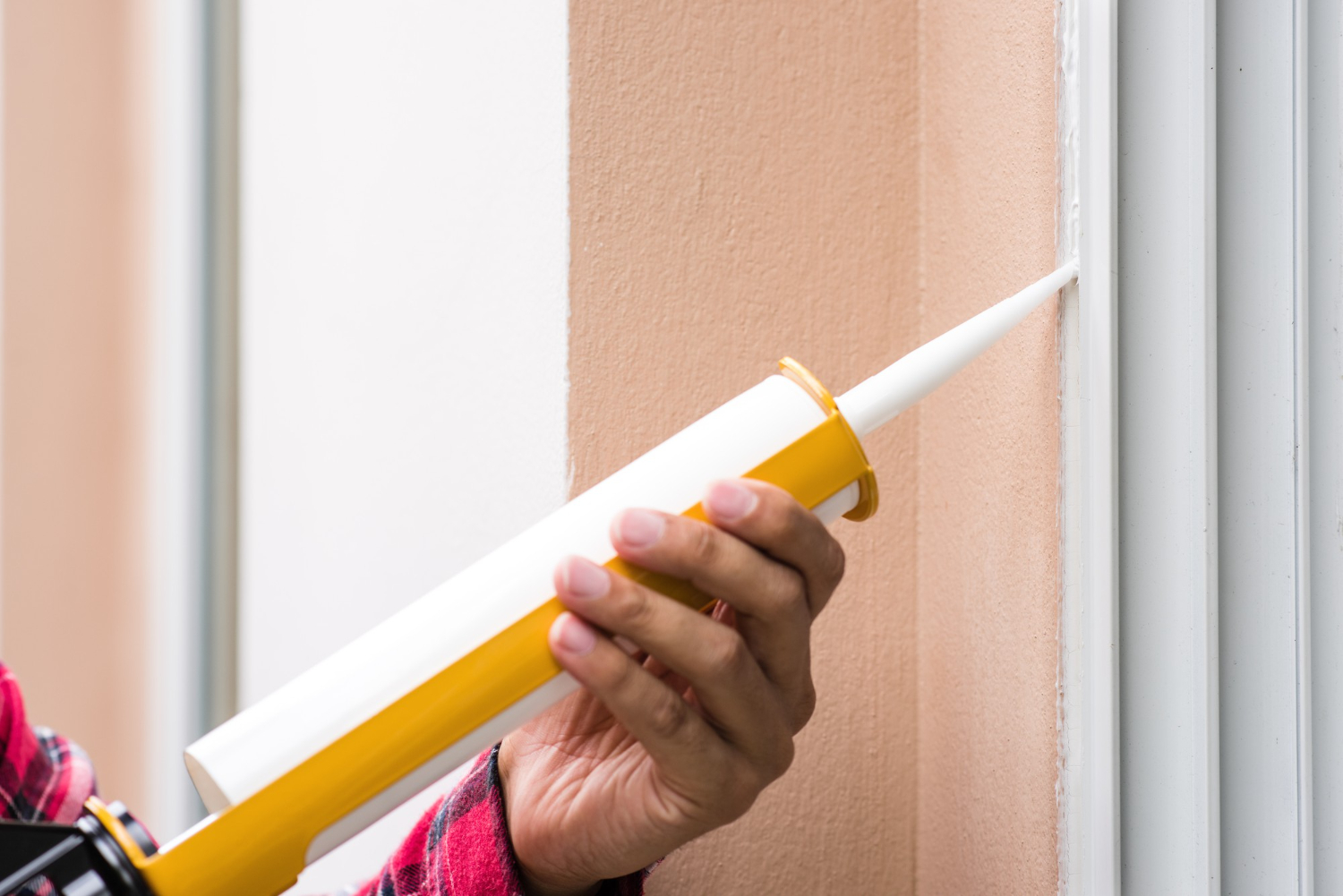
A failed seal can lead to more than just a minor repair. Leaks, shifting materials, and stuck joints all start out small but can spiral into bigger problems over time. When an industrial sealant adhesive doesn’t hold the way it’s meant to, things on site slow down and repairs take up hours we didn’t plan for. Spotting failure early can save a lot of time and stress.
We’ve seen how small signs, like thin cracks or soft patches, can point to a wider issue if ignored. That’s why we keep our eyes open to changes that show up weeks or even months after the sealant was applied. If it doesn’t look or feel right, it’s worth checking. Knowing what to look for makes it easier to step in before things get worse.
What Does Sealant Failure Look Like?
Some signs are easy to miss unless we’re paying attention. Others show up clearly once something has already gone wrong. Here are a few common things we look for during checks on installed sealant:
• The sealant has started to discolour or turn dull, especially if it was once a clean, consistent shade
• Cracks are running along the joint line or stretching out from the edges
• The seal has pulled away from one side of the joint, leaving a visible gap
• The surface feels soft or tacky to the touch when it should already be cured
• Small holes or air bubbles have formed across the sealed area
It’s normal for some materials to settle or move, but if we spot several of these signs together, it usually means the adhesive isn’t performing like it should.
Why Do Industrial Sealants Fail?
When something fails, it often comes back to three things: surface prep, product match, or site conditions. Any one of these can throw off the bond and lead to breakdowns later.
• If a surface wasn’t completely clean or dry before we sealed it, that layer of dust or moisture can block proper adhesion
• Leftover residue from old sealant can also interfere with bonding, especially if it was a different type of material
• Using the wrong type of sealant for the conditions, like applying a rigid product where flex is needed, leads to early cracks or peeling
• Sealants need a specific temperature range to cure fully, and if it’s too cold or damp on the day of application, the curing time can drag out or stall
Mistakes don’t always show up right away. Sometimes the job looks perfect at first, then starts to show problems a few weeks in.
Weather’s Role in Failure (Especially in Belgian Winters)
Cold months create extra pressure for any material that needs to stay flexible or stick to a surface. In Belgium, where damp and chilly days are common, those weather swings make things tricky.
• If sealant gets applied too cold, the ingredients inside might thicken up or not spread smoothly
• Surfaces under a shaded overhang or near the ground can hold on to moisture longer, which blocks good adhesion
• Temperature changes overnight can force materials to shrink and expand, and if the sealant can’t stretch with them, it pulls away or cracks
We’ve noticed that even a few degrees down from the recommended range can make a difference. That’s why we try to work midday when it’s warmer and always double-check the surface temp, not just the air.
Our product line at VDB Adhesives includes industrial-grade silicone, acrylic, and hybrid sealant adhesives, engineered to stay flexible and effective from installation and throughout exposure to harsh, wet conditions.
How to Check Installed Sealant Over Time
Even when a job looks good at first, we don’t call it done without checking back later. Sealants face stress from movement, weather, and wear. Here’s how we stay ahead of problems:
• We look closely at the edges, where cracking usually starts, especially on materials like brick or timber that shift with the seasons
• A finger press test can tell us if the sealant feels softer than expected or hasn’t fully cured, even if it looks dry
• Inside, we monitor for small leaks around windows, wet spots under sills, or discolouration near seals, all signs that moisture has started to creep through
• On façades or cladding, gaps or crumbling edges often show up first where joints are hard to reach or see
Some sites deal with more movement than others. That’s why we stay mindful of which areas need the most attention.
Spot Failures Before They Spread
Tiny issues don’t stay tiny for long. Cracks grow. Leaks spread. A missed soft spot can mean going back weeks later to fix damage we didn’t plan for. Finding a fault early lets us sort it out with less mess and less wasted time.
We’ve learned that most failures don’t come down to bad products; they come down to how and when they’re used. By slowing down at the start, planning around the weather, and giving the materials what they need to cure properly, we avoid problems later on.
Our quality standards ensure every VDB Adhesives sealant is designed for consistency, performance, and reliability. With proper application, our solutions are trusted by professionals across Europe to maintain integrity even on demanding sites and through multiple seasons.
Regular checks, especially before winter or after major weather swings, keep those small red flags from turning into big repairs. If we treat sealant as part of long-term maintenance, not just a one-off job, our work holds better, lasts longer, and stands up to whatever the season brings.
Seals that fail to hold often point to the need for a fresh approach to product selection. Not every material is right for every surface, especially when weather shifts and site conditions change. We’ve seen how starting with the right industrial sealant adhesive reduces callbacks and keeps projects on track all year round. At VDB Adhesives, we’re committed to helping professionals achieve lasting results by matching the right product to the job and the season. Reach out to discuss your site needs and secure the best solution for your next project.

