 English
  Nederlands
  Français
  Deutsch
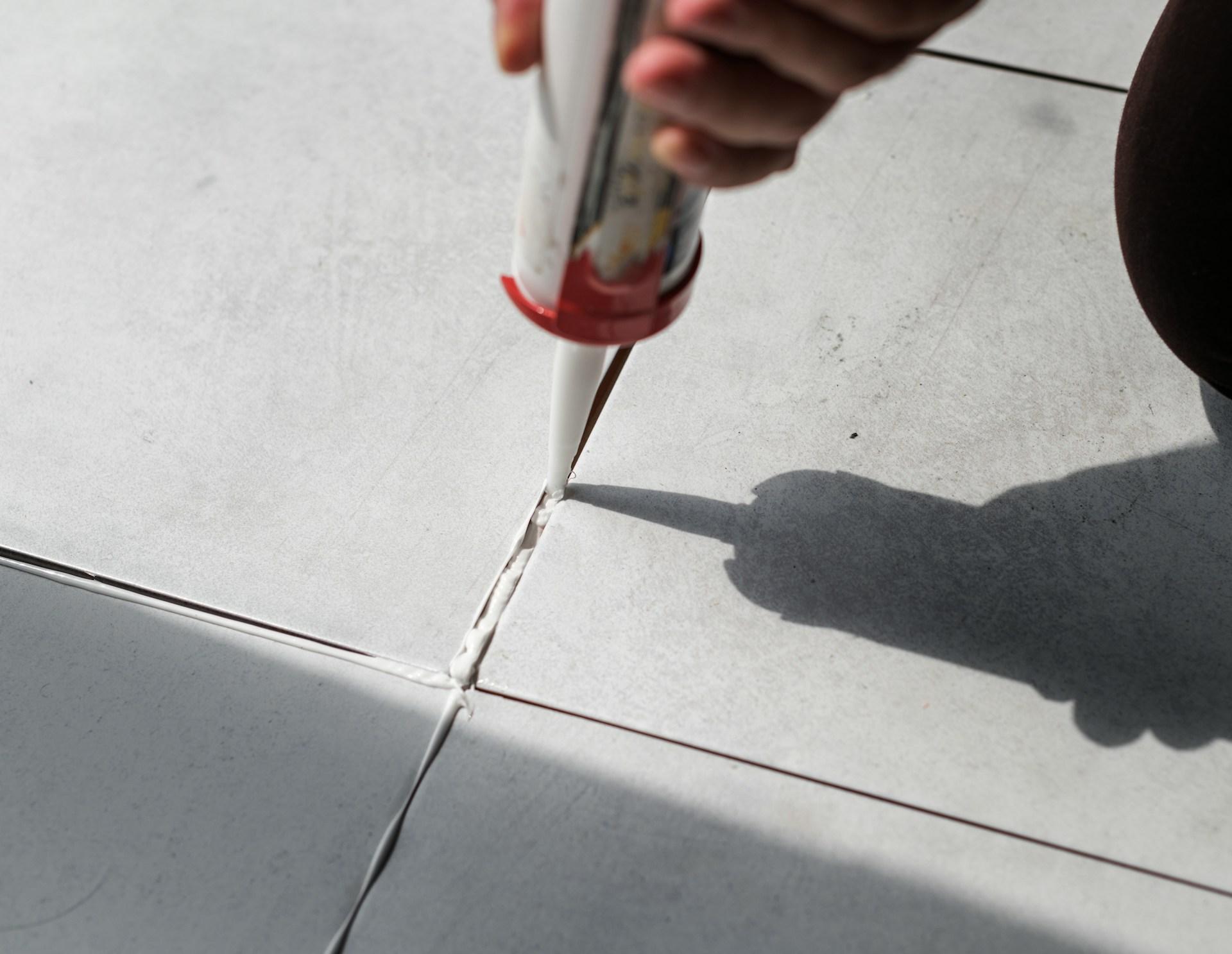
When jobs involve more than one type of surface material, a hybrid polymer sealant is often the most dependable choice. It works well when sealing joints between things that do not always get along, metal against wood, tiles next to plastic, or concrete beside aluminium. In late November, when surfaces often feel cold or a bit damp, we need a sealant that holds its grip without turning brittle or peeling off under pressure. That is where a high-quality hybrid does the job others cannot.
Mixed material builds and renovations often ramp up this time of year, especially indoors where heating systems are newly in use and moisture likes to gather in pockets. Having one product that sticks to nearly everything helps move things along faster without losing quality. Let us take a closer look at where hybrid sealants make the most difference on site and why they are a smart go-to for cooler, busy months.
Where Hybrid Sealants Fit Into Seasonal Site Work
Mid to late autumn adds a few new obstacles to sealing work, changing temperatures, wet mornings, and short drying windows. By late November, exposed joints may still carry hidden moisture from overnight rain or fog, and any outdoor work becomes a bit more rushed. Indoors, the jobs keep coming. That is when hybrid sealants shine.
• Internal finishing often picks up as builders try to close projects before frost settles in. Hybrid sealants make transitions easier between materials like painted walls, ceramic fixtures, and timber trims.
• Renovation sites may mix old and new materials, especially around replacement windows, bathroom refits, or loft work. Older surfaces can be trickier for standard sealants, but hybrids tend to grip better across differences in age and texture.
• Traditional sealants sometimes fail when paired with newer metals or surface-treated composites. Hybrid sealants bridge that gap because they are made for those hard-to-bond combinations, especially when things are not fully dry.
What Makes Hybrid Polymer Sealant So Versatile
A big part of the value comes from the chemistry. Hybrid formulas are not just another version of silicone or acrylic. They are made to bond wide, cure fully in colder air, and stay flexible even after a few years. More than that, they do not shrink the way some others do, so gaps stay properly sealed even when surfaces shift slightly with heat or movement.
• A hybrid polymer sealant sticks well to things like plaster, aluminium, concrete, powder-coated finishes, and PVC, without special primers.
• The seal remains strong in areas that deal with light surface moisture, like damp blocks in a shower area or a towel-warm room where steam sits on corners for hours.
• That flexibility gives it an edge. As temperatures change and building materials expand or contract, the seal does not crack or pull away. It moves with the joint instead of working against it.
This kind of performance is especially useful during shoulder seasons when things freeze at night but warm a bit during the day. One product that works no matter what is around it keeps us from swapping tubes and guessing at compatibility.
Jobs That Benefit Most From Multi-Surface Sealants
There is rarely just one material on a build anymore. Whether we are working on a new commercial fit-out or finishing off a small flat renovation, surfaces often jump from frame metal to painted board, then into tile or stone. A hybrid sealant does not blink at that mix, it just gets on with it.
• Window joins that line up concrete openings with aluminium frames or wooden trim can be sealed in one pass using a reliable hybrid.
• Bathrooms with shower units, taps, and tile backboards make full use of a sealant that grips to both plastics and ceramic while staying water resistant.
• Roofing joints or parapet corners where metal flashes meet stone walls need sealing that adjusts throughout the week as daytime warmth and overnight cold pull materials in different directions.
• Internal lines, especially in kitchens and utility rooms, can cross surfaces that come into contact with moisture but still need a good, paintable finish.
Some spaces never quite become fully dry before coating work starts. Having one sealant that works across all those contrasts is more than convenience, it is peace of mind.
Best Practices for Applying Sealants in Late November
This time of year comes with its own pace. Everything slows a little on site, and so does how we prep and apply products. Hybrid sealants are built to handle changing weather, but that does not mean we can rush the job.
• Always clean surfaces first. Dust, grease, or flakes from old paint can stop a good seal before it even starts.
• If a surface is only slightly damp from overnight chill (rather than soaked), some hybrids will still bond well if it is wiped and aired briefly.
• Cold slows cure time. A sealant that normally sets overnight might need a full day in cooler air. Give joints time to settle before painting or loading.
• Warm rooms or dry indoor spots near heating are the easiest places to work. If we are outdoors, we try to pick times of day when things have warmed up a bit to help the product grip better.
Professional experience matters here. Knowing how a bead will behave under colder conditions or on tricky surfaces makes all the difference in how long it holds.
Trusted Hybrid Solutions for Every Season
Among the wide variety of construction and renovation sealants, our hybrid polymer sealants are engineered for long-term adhesion on diverse substrates. Our product range is formulated to maintain performance on wood, metal, concrete, and plastics, even if surfaces are marginally damp or exposed to temperature swings. This means fewer call-backs and more confidence for professionals balancing busy year-end schedules.
By late November, we are usually trying to close out open projects or get ahead before sites quiet down for the slower months. Whether it is for sealing new joints or patching finish work, a hybrid sealant lets us keep going without cutting corners.
There is no need to swap tubes just to match each surface. Having something that bonds across lots of different materials makes our job smoother, especially as outside temperatures drop and heating starts changing conditions indoors. A seal that waits for perfect weather is not much help at this time of year, but one that is ready to hold whatever it connects, even in the cold, is exactly what keeps us moving forward.
At VDB Adhesives, we understand how critical it is to select the right product for mixed-material builds, particularly when timing and surface conditions present challenges. A reliable sealant will maintain its hold without cracking or shifting as temperatures fluctuate or surfaces change. That is why we rely on a hybrid polymer sealant for projects where consistency and flexibility are both important. It offers strong initial bonding across different materials, giving you dependable results from the start. To discuss your project and find the sealant that best fits your needs, contact our team today.

