 English
  Nederlands
  Français
  Deutsch
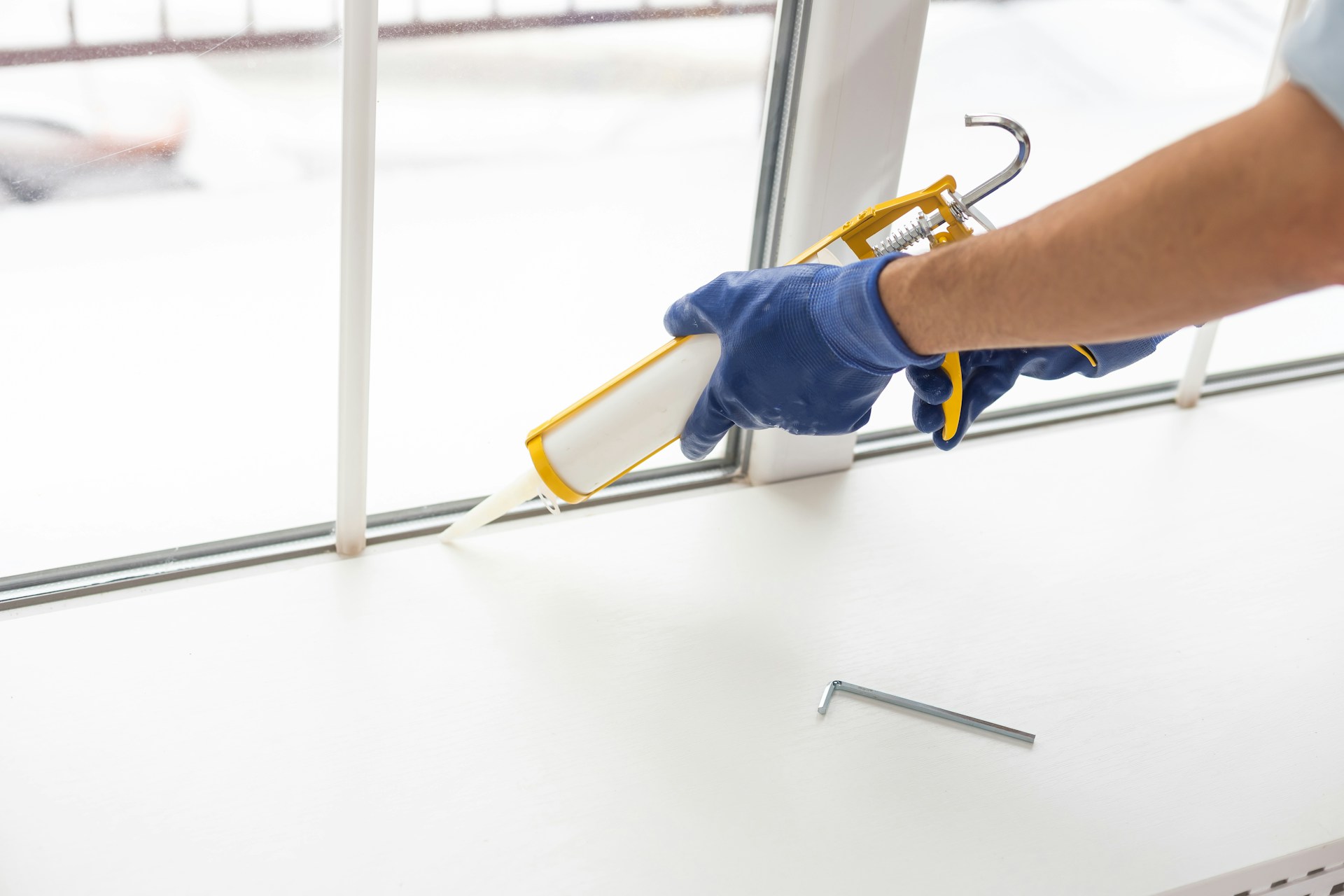
Cold weather slows everything down, especially on site. Sealants that worked fine in warmer months often start causing problems once the temperature drops. Whether it’s joints starting to crack or sealant taking far too long to set, we’ve all seen how winter conditions can push materials past their limits.
That’s why we look at hybrid sealants a bit differently this time of year. They tend to stay flexible in low temperatures and hold up when surfaces aren’t completely dry. But switching too early or too late can lead to delays or poor finishes. Timing matters. Below, we’re walking through what makes a winter switch worthwhile, what changes to watch out for, and how to get smoother results through the colder months.
When Cold Weather Affects Standard Sealants
Winter asks a lot more from sealants. Not only is the temperature lower, but humidity tends to hang around longer too. These shifts don’t play well with older or rigid sealants.
• Lower temperatures slow down curing, which affects how strong and stable the bond becomes. A seal that normally sets in a few hours might still be tacky by the end of the day.
• Moisture likes to sit on surfaces, even if they look dry at first glance. It only takes a small amount to weaken the bond right from the start.
• Materials like timber, concrete, and metal contract when cold hits, pulling away from the sealant and causing gaps or splits. Rigid sealants can’t flex with this movement, so they often crack or peel.
It’s not that traditional sealants don’t have their place, but once the cold settles in, we need materials that can handle more variable conditions.
How Hybrid Sealants Handle Winter Conditions Better
This is where hybrid sealants start to shine. They are built with a bit more flexibility in mind, which makes a big difference on cold, slightly damp surfaces.
• Many hybrids stay elastic even when temperatures drop. This gives joints wiggle room without forcing split lines or early breakdown.
• They’re less sensitive to surface damp, which is useful when you can’t get every joint bone-dry before sealing.
• Some hybrid options are formulated just for outdoor winter use. These usually cure steadily, even when it’s hovering around 5°C or lower.
That flexibility helps hold everything together, not just physically, but in terms of job schedules too. You’re less likely to be redoing joints once weather or material movement sets in.
We offer a range of hybrid sealant solutions at VDB Adhesives that are tested and formulated to maintain elasticity and strong adhesion in cold, damp site conditions. Our hybrid products bond to both porous and non-porous substrates, helping teams work through the winter without compromising performance.
Signs It’s Time to Make the Switch On Site
Knowing the product is one thing. Knowing when to change it is another. Cold weather doesn’t always arrive with a warning. Some years it comes all at once, other times it eases in slowly.
Keep an eye out for signs like these:
• Sealant lines pulling or cracking in colder morning starts
• Products that stay tacky or soft much longer than they should
• Constant delays because the surface won’t dry fast enough to apply properly
If you’re seeing any of these on site, it could be time to stop pushing old routines and switch over. It’s not about the calendar date, it’s about job conditions and what the build actually needs to stay on track.
Conditions That Support Better Results With Hybrid Options
Not every job needs a hybrid, but some conditions make the swap feel less optional and more like common sense. We’ve noticed a few signs where the results just tend to hold better.
• Sites where moisture returns through the day, either from weather or shaded surfaces
• External walls, frames, or groundworks that will see daily temperature swings
• Project timelines that don’t allow for waiting until drier spring days
In any of those cases, hybrid sealants help you keep working through winter without taking chances on bond strength or cracking joints.
Key Application Considerations in Winter Months
Even the right sealant struggles if it’s applied at the wrong time or onto the wrong surface. Cold-weather sealing needs a bit more care and timing.
• Try to seal after mid-morning and before late afternoon. Materials are warmer, which helps with curing.
• Always prep surfaces first, even if they look fine on the surface. Remove condensation, frost or damp patches before you touch them.
• Know what kind of hybrid you’re using. Not all behave the same way. Some are slower curing, others can expand slightly, both play into how you space and apply the bead.
It’s not about overthinking things, just giving every joint the best shot at clean, lasting results.
Keeping Seal Lines Strong Through the Season
Winter doesn’t mean we stop. It means we adjust. Sealants that worked a few weeks ago might not give the same results now, and pushing through with them only creates more delays in the long run.
Watching the weather, the site, and the sealant itself makes a difference. If joints are moving more or staying wet longer, it’s a good time to shift. Hybrid sealants help take on colder builds with fewer setbacks and cleaner outcomes.
We don’t always get to choose the season, but we do get to choose how we work with it.
We know making the switch this winter can help your projects stay on track, especially in colder, damp conditions. Using hybrid sealants gives you more flexibility on site without compromising hold or finish quality, even when weather or shifting materials present a challenge. With our experience in all kinds of weather, we know how to keep your project moving at the right pace. At VDB Adhesives, we are ready to help you choose the right products so your seal lines stay strong all season. Contact us to discuss your upcoming jobs.

