English
  Nederlands
  Français
  Deutsch
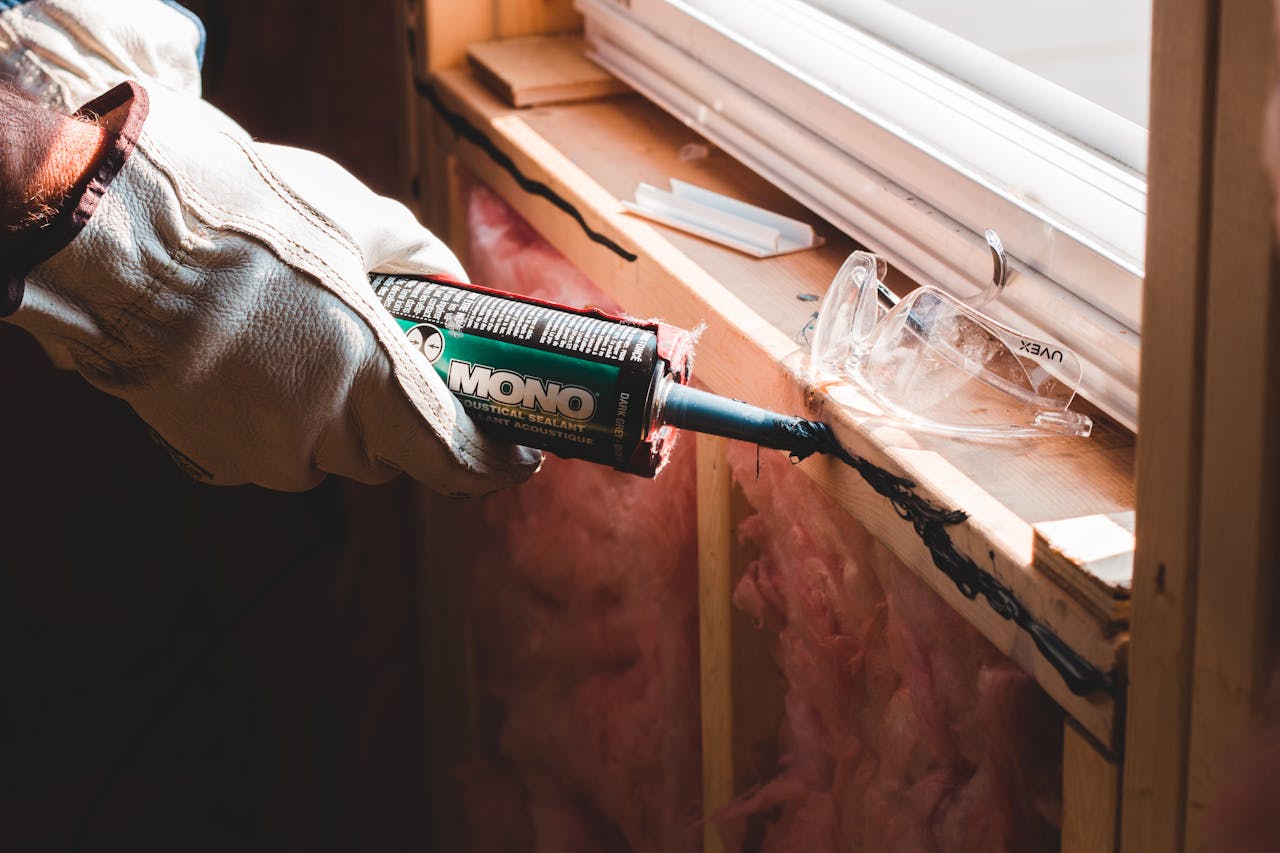
Outdoor sealing jobs rarely come with perfect edges or straight joins. Most of the time, we’re dealing with uneven materials, changing temperatures, and hard-to-reach angles. That’s where polyurethane foam sealant starts to show its value. When we need something that can fill gaps, grip where needed, and stay put through spring weather, this sort of material can make all the difference.
It sticks well, shapes into almost any space with some effort, and sets strong. As the weather shifts from winter into spring, we’re often running into repairs or site work where a fast, flexible seal is the only thing holding things together. Let’s look at where this type of foam really comes into play outdoors, how to use it right, and why getting it set up properly matters more than it may seem at first glance.
Where Foam Sealant Works Best Outside
We’ve found foam sealants are most helpful where joins can’t be closed with tape, flashing alone won’t hold, or where smooth finishing isn’t a top concern. Some common examples include:
- Gaps between irregular materials like brick to timber or stone to steel. These don’t always line up evenly, but foam can flex to fill space.
- Expansion joints that need to give a little without breaking open. Foam sealant won’t lock solid like mortar might.
- Small openings around frames, pipes, or fixtures in external walls where screws or brackets aren’t a good fit. A short bead of foam stops the airflow and holds the shape.
The appeal is in the fill and fit. Once it’s applied and left to cure, it blocks movement, holds tight against the edges, and cuts cold draughts without drawing much attention. That’s ideal for jobs where a small fix now avoids a larger fix later.
Spring Weather and Why Timing Matters
Early March shifts us into spring jobs, but it doesn’t always mean warm, dry conditions. More often, we’re working through damp mornings, moderate wind, and chill that hangs around until late afternoon. These bits of weather can play a big role in how sealants behave.
- Overnight drops in temperature can keep surfaces colder than they appear. If the foam hits a chilled wall or panel, it might not expand or grip fully.
- Morning dew leaves invisible moisture that kills good adhesion. Wiping or airing the surface first helps keep the seal true.
- Setting times can be longer than we think. Just because it’s warmer at midday doesn’t mean the same rate applies in shade or around north-facing joints.
The best results we’ve seen come from stopping to check surface temperature and dryness before spraying. Fast work is fine, but foam has to land on something ready to grip. That pause saves us headaches later.
VDB Adhesives provides PU-foam sealants designed for outdoor durability, ensuring optimal performance even when surfaces are not perfectly uniform. Our PU-foam products are trusted by professionals across Europe for both expansion and thermal insulation sealing, offering a balance of flexibility and strength in the face of seasonal changes.
Common Errors That Lead to Poor Results
Foam sealant can forgive a lot, but not everything. We’ve seen jobs go sideways from quick mistakes that take longer to fix than the seal ever did to apply.
- Spraying over dirt, grit, or damp kills the bond. The foam might stick for a day or two, but once movement starts, it pulls away.
- Using too much foam in one go can cause over-expansion or sagging. Two light sprays work better than one heavy pass.
- Filling a space that needs to move, like a door frame or panel seam, with rigid foam can cause cracks once the material shifts.
Foam is a tool, and like any tool, it works best when used right. A moment of prep, a careful read on the gap, and steady layering tend to go a lot further than rushing to get it done in one blast.
Choosing the Foam That Holds Up
Not all foam sealants work the same way outside. Cold exposure, UV, moisture, and surface tension all play into whether that foam will still be holding up in a few months. So what do we look for when picking the right one?
- Flexibility matters. A foam that shifts a little with changing pressure won’t fail when surfaces expand or contract.
- Drying speed should match the work. Some sites need fast curing, while others benefit from longer shaping times.
- Water resistance is key. We’re not talking about sealing pools, but keeping foam stable through light rain and daily damp.
Some foams are made for inside walls or non-load areas. Others can stand up to freeze, thaw, and daily exposure. Matching that property to the job site is half the difference between a clean result and an early repair.
Many sealants from VDB Adhesives are formulated with moisture-curing properties, which make them particularly suited to variable spring weather. Our products also provide expanded resistance to UV and heat for prolonged outdoor use on a range of materials.
Keeping It Solid Through the Season
Even after the foam is fully set and trimmed, there are simple steps we take to make the effort last longer. A seal isn’t finished until we’ve checked the shape and helped it stand up to what the weather brings.
- Once foam cures, it can be brittle at the edges. Trimming off the excess lets it tuck neatly behind finishing or flashings.
- If exposed to rain or sun, a light overcoat or shield keeps the seal intact and foam from breaking down.
- On longer jobs, checking seal points after a week of curing gives us time to catch any missed spots before finish layers go on.
We don’t always need to do more, but by handling the details while the foam is still fresh, we give it a better run through the season. Care at the end often saves time down the line.
Make Outdoor Seals Count This Spring
Polyurethane foam sealant gives us a way to fill and fix outdoor gaps without heavy tools or lengthy prep. When the weather’s shifting and time’s tight, it can hold strong where other materials slip. The trick isn’t just using it, but using it with care. Clean gaps, proper timing, and a good match between foam and job site keep repairs quick and solid.
As spring winds pick up and site work starts again, it’s worth remembering where a bit of flexible seal can go a long way. We’re not trying to do everything with it, just the right thing, so jobs stay done, not re-done.
At VDB Adhesives, we help professionals seal complex outdoor joins with materials designed to withstand shifting weather. Choosing the right product from the start makes your work easier and prevents delays caused by short-term solutions.
When spring brings unpredictable conditions, a polyurethane foam sealant can offer greater stability and reduce the need for rework. We are ready to support you in finding the ideal solution for your next project, so reach out to discuss your requirements.