 English
 Nederlands
 Français
 Deutsch

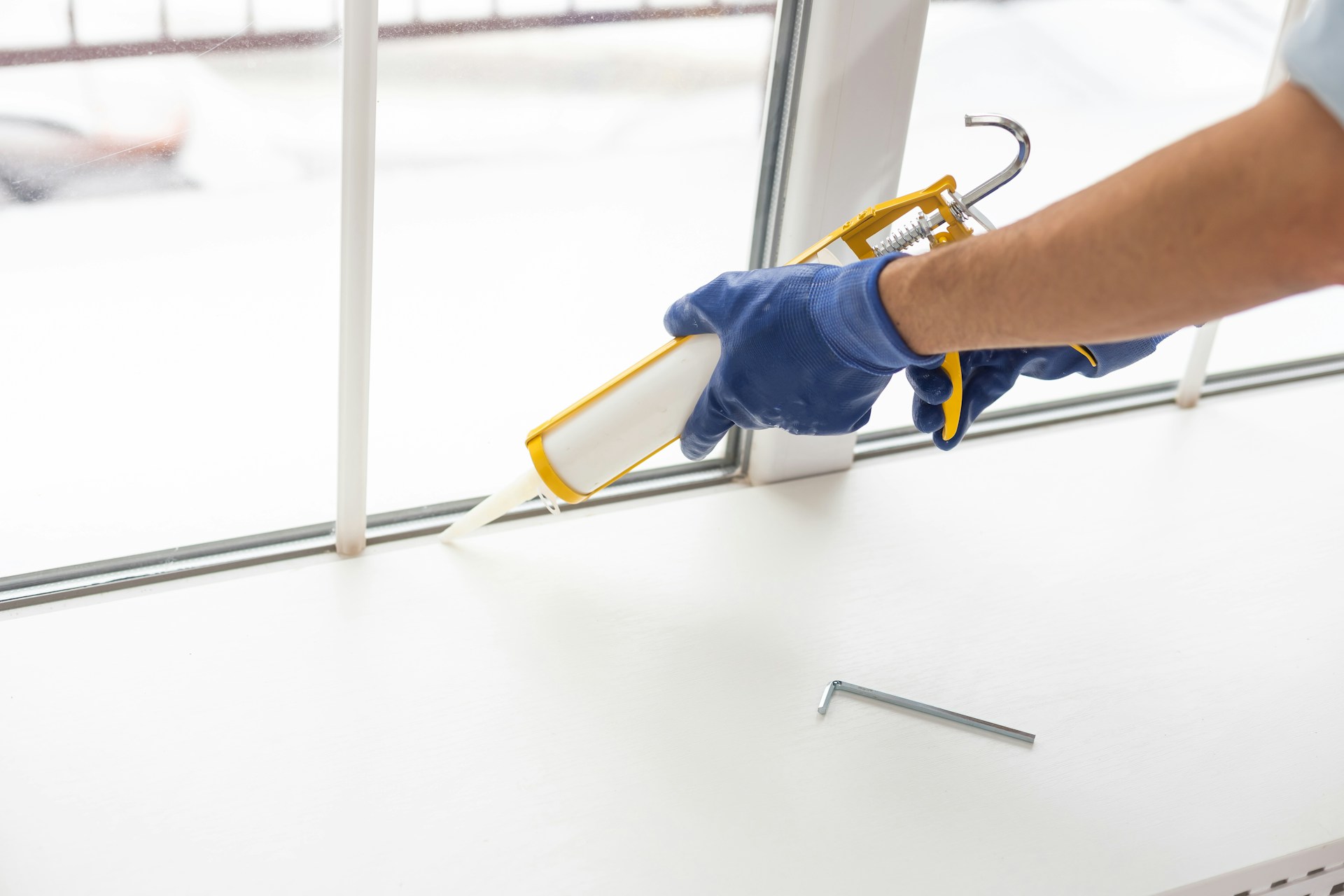
Getting Interior Joints Right the First Time
Interior joints are small details that carry a lot of weight. They help keep air and vapor where they belong, cut down on noise between rooms, absorb movement, and give a clean, finished look. When joints fail, you see cracks, drafts, staining, and unhappy building users.
That is why more specifiers and contractors look at MS polymer adhesives for demanding interior joints. These hybrids can do what many standard silicones and acrylics cannot, especially where there is movement, tricky substrates, or higher performance targets. Here we want to give designers, contractors, and fabricators a clear way to choose the right MS polymer adhesives for tough interior work, so joints perform the way the design promised.
Why Interior Joints Are So Demanding
Not all joints are equal. Some are simple gaps, others are asked to do a lot every single day. The most demanding interior joints include:
- Expansion joints around doors and window frames
- Movement joints in partition walls and ceiling transitions
- Connections between dissimilar materials like gypsum to concrete or metal to plastic
- Service penetrations around pipes, ducts, and cables
- Wet-area transitions between shower trays, tubs, tiles, and wall panels
These joints take constant stress. Buildings move with wind, temperature shifts, and daily use. Different materials expand and contract at different rates. There may be vibration from foot traffic, lifts, or plant rooms, and even occasional impact along corridors or in busy service zones.
On top of that, interior conditions are not as gentle as they seem. Joints must deal with:
- Fluctuating temperature and humidity over time
- Cleaning agents and disinfectants in bathrooms, kitchens, and healthcare areas
- UV exposure near large glazed areas
- Design demands for low odor and low emissions, especially in occupied or sensitive spaces
Put together, this means interior joints need more than a basic caulk. They need an adhesive sealant that handles movement, sticks to mixed surfaces, and fits modern indoor comfort expectations.
Why MS Polymer Adhesives Work so Well Indoors
MS polymer adhesives are hybrid products that sit between classic silicones and polyurethanes. The chemistry gives the elasticity that people like in silicone, with the paintable and versatile behavior closer to polyurethane, but without isocyanates or added solvents.
For interior joints, that brings several key benefits:
- High elastic recovery so the joint can stretch and come back again and again
- Strong adhesion to many common substrates like metals, plastics, mineral surfaces, and coated materials, often without a separate primer
- Long-term durability under repetitive movement and daily loading
Indoors, comfort and air quality matter. MS polymer adhesives support that because they usually have low VOC, very low shrinkage, and minimal odor while curing. They are generally compatible with many interior paints and finishes, which helps when you want a flush, uniform joint line across walls, ceilings, and frames. This combination makes them well suited to occupied buildings and fast-track projects where quick return to use is important.
How to Select the Right MS Polymer Adhesive
Choosing an MS polymer grade starts with matching the product to what the joint must handle.
First, look at mechanical performance. Pay attention to:
- Tensile strength, to understand how much load the joint can take
- Modulus, which shows how stiff or soft the material will feel in the joint
- Movement capability, which must align with joint width and expected movement
Stiffer, higher modulus products may suit narrow joints between rigid substrates. Softer, high-movement versions can be better for wider gaps or joints between materials that move differently, like drywall to concrete.
Next, think about compatibility and adhesion. The substrates might include gypsum board, concrete, plaster, coated metal, PVC, EPDM, and glass. For each surface, check:
- If a primer is needed
- Whether there is any risk of staining or edge marking
- How the adhesive interacts with paints or clear coatings
Finally, consider how and where the team will install the product. Application conditions and workability affect real-world success. Key aspects are:
- Skin time, which must be long enough for tooling but not so long that dust gathers
- Curing speed, especially where fast handling strength is needed
- Tooling feel and slump resistance on vertical joints
- Temperature and humidity limits at the time of application
On complex interior detailing, it is often better to choose a balance between open time and speed, rather than the absolute fastest cure.
Matching MS Polymer Grades to Joint Types
Once you understand the demands, you can pair joint types with suitable MS polymer adhesives.
For perimeter and frame joints around windows, doors, and curtain wall interfaces, look for flexible, crack-bridging grades. These should bond well to masonry, concrete, plaster, and common frame materials like aluminum, PVC, or coated wood. Good movement capability and adhesion here help keep air and sound leakage under control while maintaining a clean, paintable edge.
Movement and connection joints in interiors often sit between drywall and concrete, prefab elements, or dissimilar substrates. Here, intermediate-modulus, high-movement MS polymers can carry regular shrink and swell without tearing or losing adhesion. The ability to handle different expansion rates between materials is especially helpful in long corridors, partition lines, and interface joints between prefabricated and site-built elements.
Wet areas and high-humidity zones are a class of their own. Bathrooms, kitchens, plant rooms, and interior pool surrounds need moisture-resistant, mildew-resistant formulas that stand up to steam, splashes, and frequent cleaning. When matching products, check compatibility with:
- Ceramic and porcelain tiles
- Composite and laminate panels
- Shower trays and tubs
- Liquid or sheet waterproofing systems
A well-chosen MS polymer grade here can help keep edges tight and hygienic over many years, even with heavy use.
Best Practices for Long-Term Joint Performance
Even the right product can fail if the joint is not designed and installed correctly. Good practice starts with joint design and preparation. That means:
- Choosing correct joint dimensions for expected movement
- Using backer rod or bond-breaker tape to control joint depth and avoid three-sided adhesion
- Cleaning, drying, and degreasing substrates so the adhesive can fully wet the surfaces
During installation, a steady, consistent bead is key. The applicator should:
- Apply enough material to fill the joint without voids
- Tool the bead so it fully wets both sides and forms a smooth surface
- Pay special attention to corners, terminations, and changes of plane, since these can become weak spots if skipped or underfilled
Quality control on site does not need to be complex. Simple checks include light pull tests in non-critical spots to confirm adhesion, noting skin and cure progress, and recording product names and batch numbers. Coordination with other trades also matters, so joints are not cut, scraped, or overpainted too early during cure.
When specifiers, contractors, and manufacturers review joint layouts, substrates, and performance needs together at the start, the end result is more reliable interiors. Joints stay tight, quiet, and neat, so the building works the way people expect when they walk through the door.
Get Started With High-Performance Bonding Today
If you are looking to improve durability, flexibility, and production efficiency, our MS polymer adhesives are engineered to support demanding applications. At VDB Adhesives, we work closely with you to match the right product to your materials, process, and performance targets. Share your project requirements and we will help you validate the best solution through testing and technical guidance. If you are ready to discuss specifications or request samples, contact us today.

