English
 Nederlands
 Français
 Deutsch

Safeguarding Facades with Fire-Resistant Sealants
Fire does not care how beautiful a facade looks. If there are gaps, joints, or hidden cavities, flames and hot smoke will try to use them as a shortcut. That is why fire-resistant sealants in modern facades are just as important as glass, cladding, and insulation.
Modern facade systems like ventilated rainscreens, curtain walls, and panelized cladding create many small spaces and movement joints. Those areas are weak spots during a fire. Joints between floors and the facade, gaps around brackets, and penetrations for pipes or cables can all become paths for fire and smoke if they are not sealed the right way.
When we talk about “fire-resistant” sealants, we mean products that are specially designed and tested to hold back flames, heat, and smoke for a defined time. They are different from common weather or acoustic sealants because they are tested in fire laboratories on specific joint designs, classified for integrity (and often for insulation and smoke tightness), and designed to react in heat, for example, intumescent sealants that expand.
If these joints fail during a fire, the impact is serious. There can be legal questions, safety risks for people in and around the building, insurance issues, and long-term damage to the reputation of everyone involved in the project, from designer to installer.
Understanding Fire Requirements for Modern Facades
Building codes treat facades as part of a bigger fire safety strategy. The main ideas are simple, even if the rules feel complex on paper:
- Keep fire and smoke inside the compartment where it starts for a set time
- Slow down vertical fire spread up the facade
- Control fire within cavities behind cladding
- Safely seal the joint between the floor slab and facade line
For facades, that generally means paying attention to perimeter joints between floor slabs and curtain walls, cavity barriers and firestops in ventilated facades, penetrations where services pass through the facade line, and joints between different facade materials.
Fire-resistant sealants are often given performance classes in test reports. These usually show:
- Fire resistance time, for example, how long the joint kept its integrity
- Integrity, meaning no flames through the joint and no glowing gaps
- Insulation, meaning limited temperature rise on the unexposed side
- Smoke tightness, meaning limited smoke leakage under pressure
All of this is always about a complete system, not only the tube of sealant. The tested build-up usually defines substrates (such as concrete, brick, metal, or gypsum boards), the insulation type and thickness, the backing material inside the joint (like mineral wool or backing rods), and the joint width, depth, and allowed movement. To reach code compliance, we need to match our real project details as closely as possible to those tested systems.
Selecting the Right Fire-Resistant Sealants for Each Detail
Not every fire-resistant sealant suits every facade joint. Different chemistries behave differently in heat, in movement, and in weather. Typical options include:
- Acrylic fire-resistant sealants, often used in interior or sheltered joints
- Silicone systems, good for high movement and long-term UV exposure
- Hybrid or MS polymer sealants, combining flexibility with strong adhesion
- PU-based systems, for specific structural and facade details
- Intumescent sealants, which swell when heated to close gaps
When we help choose products for facade construction, we usually look at the joint size and movement, the level of exposure (fully outside, in a cavity, or inside the building line), and the substrates involved (concrete, metal, brick, glass, or composites). We also confirm the required fire rating, how long the joint must resist fire, and on which side, and check compatibility with adjacent components such as glazing gaskets, coatings, and membranes.
It is not enough that a sealant is “fire-rated” in general. For facades, the product should be tested and classified in assemblies that look like real facade build-ups. A specialist manufacturer can support specifiers with:
- Clear technical data sheets and fire classification reports
- Guidance on which tested detail is closest to the project joint
- Advice on backing materials and joint design
From Specification to Site: Ensuring Compliant Installation
Good products can fail if the installation does not match the design. The path from code rules and lab tests to a clean, safe joint on site needs clear steps.
When writing project specifications, it helps to:
- Refer to the relevant fire test standards and classification methods
- Define joint dimensions and backing materials, not only the sealant name
- State required fire resistance classes and smoke tightness, where needed
- List approved products by name so they are not casually swapped on site
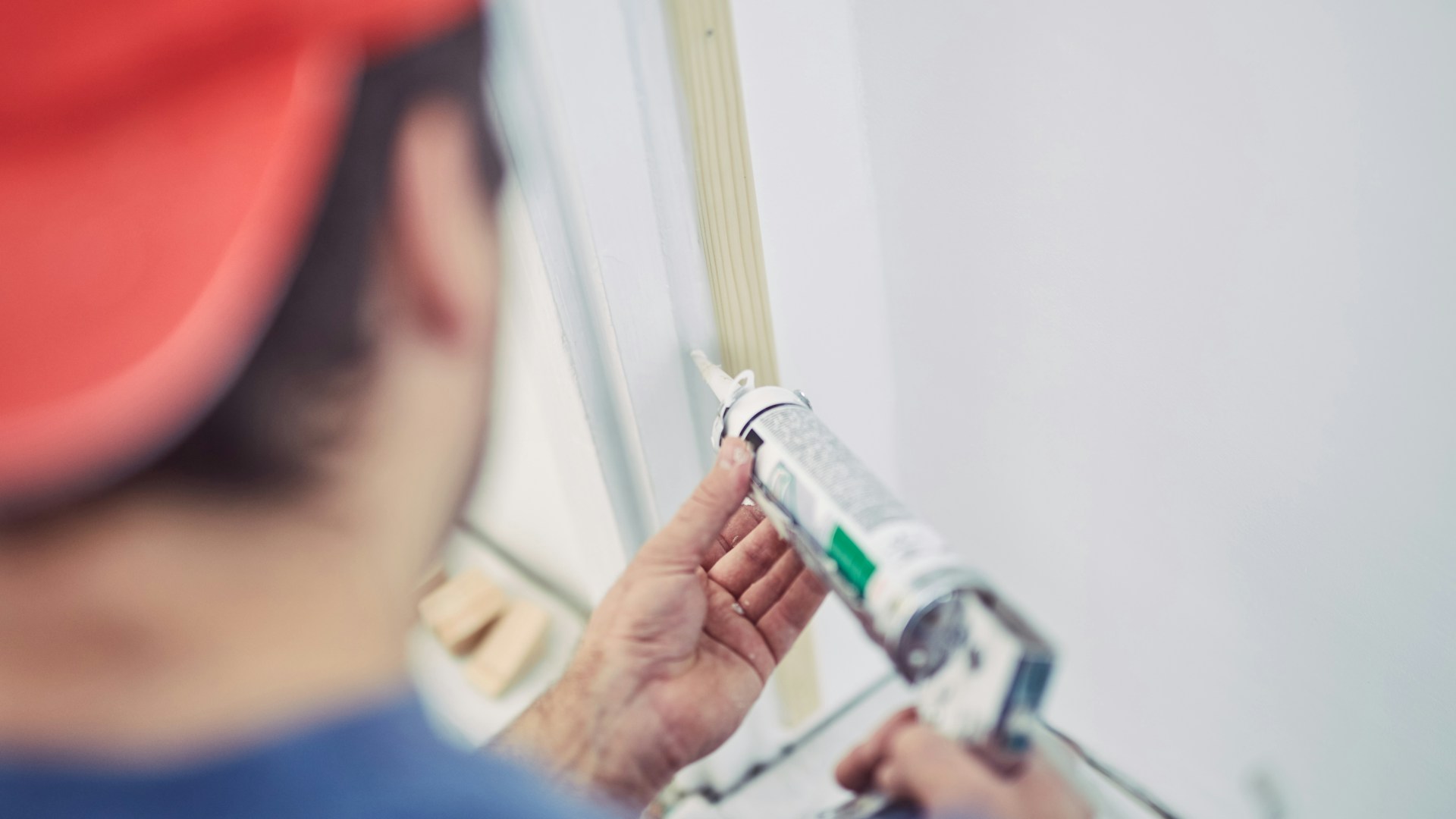
On the construction site, best practice for fire-resistant sealants usually includes careful surface cleaning and preparation for strong adhesion, using the right backing material (often mineral wool or specific rods), respecting the designed joint depth and “hourglass” geometry where needed, applying sealant in controlled conditions so it can cure properly, and running regular checks on bead size, adhesion, and appearance.
Common on-site changes can quietly destroy fire performance, for example:
- Replacing a tested fire-resistant sealant with a standard weather sealant
- Overfilling a joint to hide a large gap or underfilling to save time
- Skipping a needed primer or using an incompatible one
- Changing substrates or insulation type without checking the impact
When those things happen, the real facade no longer matches the tested system, and the fire performance assumed in design may no longer be valid.
Verifying Performance and Documentation for Inspectors
Fire inspectors and building control teams often focus on details you cannot see once the facade is closed. For fire-resistant sealants, they usually want proof that:
- The right product was used in the right place
- The product has suitable approvals or classification reports
- Installers followed the required joint designs and backing setups
A practical documentation package for facade sealant work can include:
- Product data sheets and safety data sheets
- Classification reports showing fire resistance and conditions
- Project-specific drawings or details showing each fire joint
- Installation logs describing who installed what, where, and when
- Photographic records of joints before they were closed in
After handover, the responsibility does not stop. Over the life of the building, there should be maintenance checks of accessible fire joints (especially after repairs), use of equivalent fire-rated products when replacing or patching, and updated records any time facade elements or penetrations are changed. This way, the building owner can show that the original fire strategy is still respected years later.
Partnering with Specialists to Future-Proof Your Facades
Fire in facade systems is a complex topic, but the goal is simple: keep people safe and protect the building. That is easier when fire protection specialists, facade designers, and sealant experts work together from the early design phase instead of trying to fix things late on site.
A specialist manufacturer of sealants, adhesives, and PU-foams can help make that process smoother by offering:
- Fire-resistant sealant solutions that match specific facade details
- Support for both branded and private-label projects
- Access to tested system data, reports, and technical guidance for specifiers
For project teams, a good next step is to look again at current facade details, check if existing joints are sealed with the right type of fire-resistant products, and confirm that documentation is complete and clear. Careful work at the design table and on the scaffold can mean that when a fire test moves from the lab to real life, the facade performs the way everyone expects.
Protect Your Building With Proven Fire-Resistant Solutions
Choose VDB Adhesives for reliable fire-resistant sealants that help you meet safety standards without compromising on performance. We work closely with your team to match the right products to your specific substrates, exposure conditions, and code requirements. If you are ready to review specs, request product details, or talk through a complex application, contact us and we will guide you through your next steps.