English
  Nederlands
  Français
  Deutsch
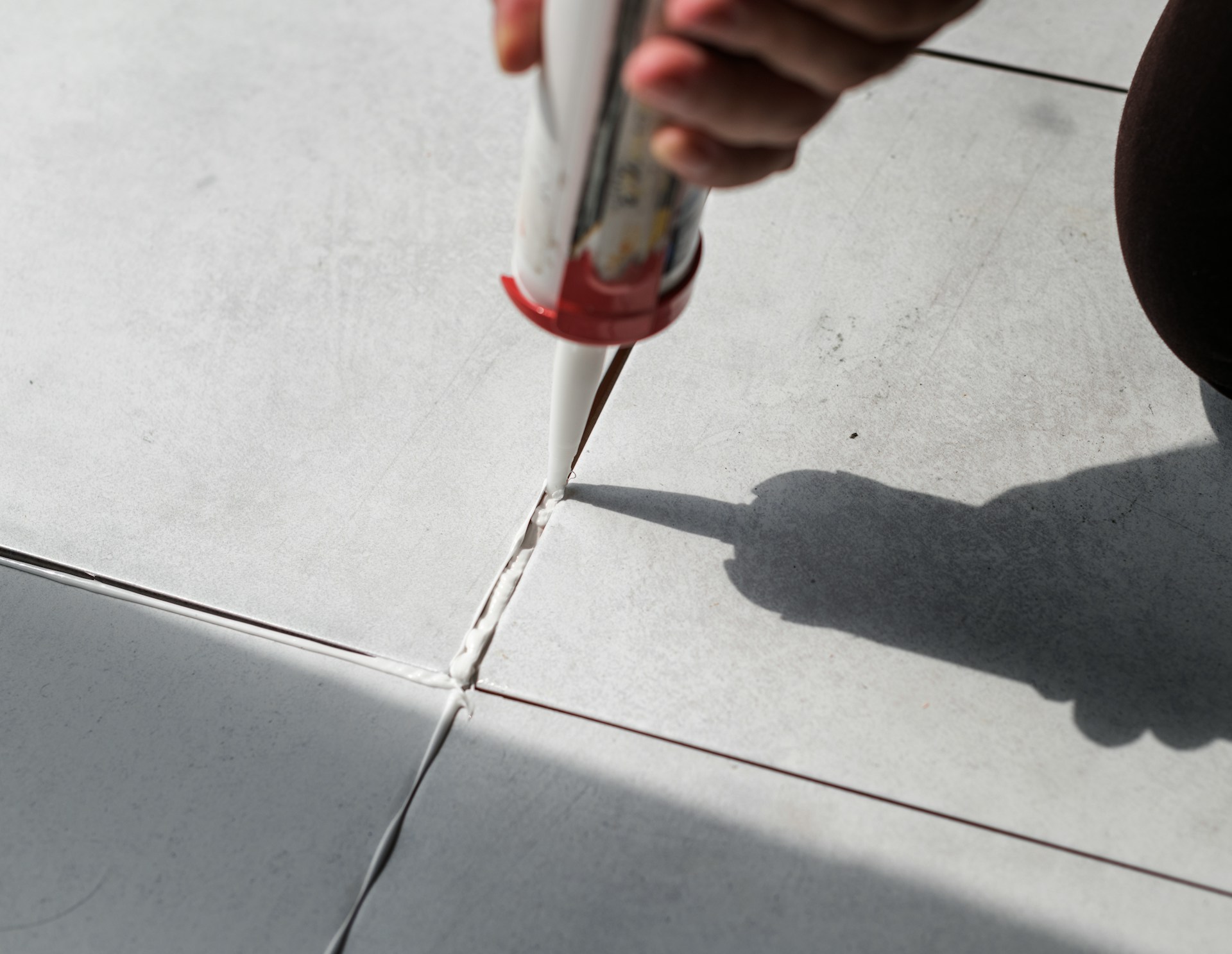
Failed facade joints are sneaky. At first you might see a small crack, a tiny gap, or a stain under a window. Over time, that small problem can let in water, start mold inside walls, and let warm or cool air escape. The result is damaged insulation, peeling finishes, and repairs that take a lot of time and money.
Many projects run into these problems even though a “facade sealant” was written into the spec. On paper, it sounds safe. In real life, the wrong product, poor joint design, or rushed application can make a facade weak long before its time. Here, we want to walk through why that happens and how you can set things up so your facade joints actually last.
At VDB Adhesives, we focus on professional sealants, adhesives, PU foams, and related products for building envelopes across European climates. With decades of experience in silicone and hybrid systems, we see what works on facades and what fails. Let us share what we have learned so you can prevent problems before they show up on the surface.
Hidden Stresses Every Facade Joint Must Survive
From outside, a facade looks still and quiet. In reality, it is always moving and changing. Every joint, every bead of sealant, has to deal with forces that keep pushing and pulling day after day.
Key physical stresses include:
- Thermal expansion and contraction as temperatures rise and fall
- UV radiation that slowly breaks down weaker materials
- Wind loads that flex panels and frames
- Building movement from settling, traffic, and daily use
- Moisture cycles as surfaces wet and dry again and again
In many parts of Europe, the same wall can feel freezing mornings, hot afternoon sun, and strong wind in a single week. Dark panels heat up, glass and aluminum move at different rates, and rain can hit sideways against exposed elevations. All of this puts a lot of stress on any weatherproof facade sealant that tries to keep water out.
A truly durable facade sealant needs to:
- Stay elastic over many years
- Handle repeated movement without cracking
- Keep strong adhesion to both sides of the joint
- Resist UV light, rain, and pollution
- Cure in a controlled way so it develops full strength
When you plan for 10 to 20 years or more, these points are not “nice to have.” They are the base for a safe, dry building envelope.
Why Facade Sealant Fails Long Before Its Time
Joints usually do not fail by chance. They fail because one or more small steps were skipped or guessed. The label on the product might say “weatherproof”, but that alone does not protect a facade.
Common reasons for early failure include:
Poor Substrate Preparation
If dust, loose particles, or old paint are still on the joint flanks, the sealant bonds to them instead of the real substrate. Moisture on the surface or in the joint, or thin films from cleaners and release agents, can also block proper adhesion. Old and incompatible sealant layers that are not removed can create weak planes where the new bead peels away.
Wrong Sealant Choice
Generic acrylics, simple silicone types, or low-grade hybrids may be fine for small indoor joints. On a high-movement facade with strong sun and rain, they often cannot keep up. Modern glass, aluminum, and composite systems usually need high-movement silicone or advanced hybrid technologies that keep their elasticity and adhesion outdoors.
Incorrect Joint Design and Application
Even the best facade sealant will struggle in a bad joint. Joints that are too shallow or narrow, that do not match the expected movement class, or that lack a proper backing material tend to crack or debond. Application during very low or very high temperatures, on wet surfaces, or in strong direct sun can stop the sealant from curing as designed.
Designing Durable Facade Joints From Day One
Strong joints start at the drawing board. When design teams, contractors, and suppliers talk early, a lot of future trouble can be avoided.
Key design points include:
- Correct width-to-depth ratios so the sealant can stretch instead of tear
- Movement class aligned with the expected facade movement
- Enough sealant volume to allow long-term flexibility
A well-designed joint usually has:
- Two-sided adhesion to the joint flanks
- A flexible backing material, like a backer rod, to stop three-sided bonding
- A shape that allows the sealant to work mainly in tension and compression
Picking smart material combinations is just as important. The sealant, primer, backer rod, and substrates must work together. Glass, aluminum, concrete, natural stone, and composite panels often need different primers or surface treatments. Checking compatibility in advance saves a lot of time once work starts.
Good detailing for drainage and movement helps too. Joints should be placed so water can escape, not sit and soak. Clear drainage paths, drip edges, and movement joints around corners and floor slabs keep strain under control and protect the sealant bead from standing water.
Best Practices When Applying Facade Sealant
Even a perfect design can fail if the application on site is rushed or random. Facade sealing is skilled work and needs planning.
Preparation and conditioning should cover:
- Cleaning joint sides with the right method for the substrate
- Making sure surfaces are dry and dust-free
- Applying primers when recommended and letting them flash off
- Keeping cartridges and foils stored as instructed, away from extreme cold or heat
- Watching jobsite temperature, humidity, and weather forecasts
During application, the goal is a dense, even bead with full contact on the flanks. Practical tips:
- Use a consistent bead size that matches the joint geometry
- Insert the backer rod at the correct depth without damaging it
- Fill the joint from back to front to avoid air pockets
- Tool the sealant in time, pressing it firmly against both sides
- Respect skin-over and curing times before exposing to water or strong movement
Quality control on site should not be skipped. On larger facade projects, it helps to:
- Perform adhesion checks on sample areas
- Cut and inspect a few trial joints to confirm proper filling and shape
- Document weather conditions, lot numbers, and application methods
This kind of traceability makes it easier to catch issues early and to keep a consistent standard across all elevations.
How to Choose the Right Facade Sealant Partner
For long-lasting facades, the product in the cartridge is only part of the story. The partner behind it matters as well.
Things to look for include:
- Focus on performance, with tested movement capacity and outdoor durability
- Systems that cover sealants, adhesives, PU foams, and related products that work together
- Clear, practical technical data and guidance on substrates and primers
- Support for project-specific questions and on-site training
- Experience with different facade types and climates across Europe
At VDB Adhesives, we bring long experience with professional sealants and advanced silicone and hybrid solutions for building envelopes. We support construction, renovation, and industrial projects with products and technical know-how, including private label options for partners who need their own brand. The goal is simple: help you design and build facade joints that stay tight, elastic, and safe for many years, not just the first few seasons.
Protect Your Building With Reliable Weatherproofing
Choose VDB Adhesives for a proven facade sealant that helps safeguard your structures from moisture, temperature swings, and everyday wear. Our team is ready to help you identify the right solution for your specific application so your next project performs as intended for the long term. If you are ready to move forward or have technical questions, contact us and we will work with you to get the right product in place.