English
  Nederlands
  Français
  Deutsch
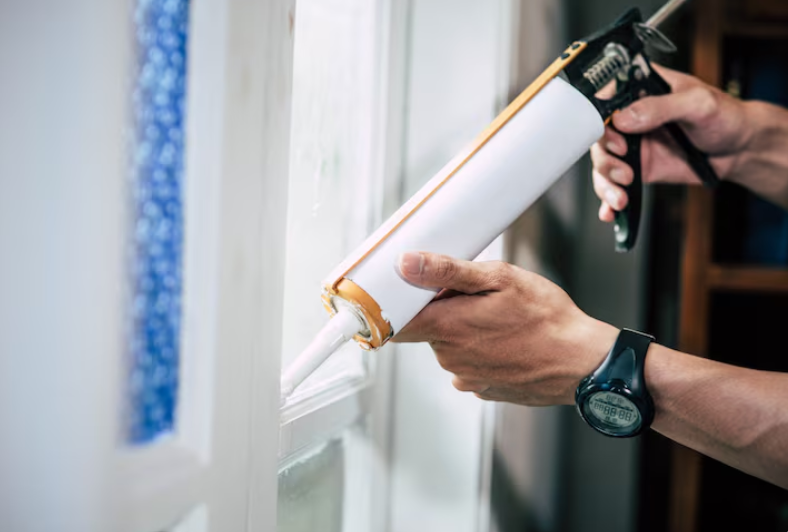
Spring often feels like the season everything wakes up again, especially out on the jobsite. With temperatures easing up and daylight stretching longer, it’s a good window to catch up on outdoor sealing jobs put off over winter. That said, spring weather brings its own mix of trouble, damp mornings, sudden showers, and cooling winds can all slow down progress.
We look at joints that might have shifted or cracked over the colder months. These often include spots around windows, walls, expansion joints, or soffits. It’s the right time to reseal or reinforce. When we need something reliable, flexible, and easy to apply in these kinds of conditions, acrylic sealants often rise to the task. They offer a straightforward way to rework outdoor joints in a season where the weather doesn’t always follow the plan.
Choosing the Right Sealant for Spring Conditions
Spring is helpful in some ways, surfaces are no longer icy, but they’re rarely fully dry first thing in the morning. Overnight dew, light rain, or general dampness means we can’t treat every surface as ready for sealing right away. It takes patience and planning to get it right.
Cool air, especially on shaded sides of buildings, can affect how products cure. It’s one reason we choose materials with consistent results in mild conditions, and acrylic sealants tend to tick that box. They don’t mind cooler temperatures as much as some others, and they hold well in changeable spring settings.
We look for a few qualities when choosing a product in this season:
- Flexibility to move with expansion and shrinkage as temperatures shift
- Water resistance to handle moisture that often follows spring warming spells
- Good workability, smooth to apply so we’re not fighting with the bead or tooling
No single product solves every challenge, but acrylics give us a strong foundation to work from when surfaces, timing, and weather all sit in the maybe zone.
VDB Adhesives supplies professional-grade acrylic sealants that are designed for resilience against changing temperatures and damp conditions. Our products are well-suited for construction substrates such as masonry, concrete, timber, and plaster, aligning with the demands of typical spring jobs.
Where Acrylic Sealants Work Best Outdoors
Not all outdoor work is the same, but several common areas share one thing this season: exposure. Whether it’s joints on masonry, connections between wood frames and render, or edge gaps near paving blocks, spring exposure means we need the seal to hold its grip and flex a little as conditions change.
We tend to use acrylics for:
- Filling gaps between painted timber windows and surrounding walls
- Joint lines in rendered facades or along external trim features
- Edges of roof soffits and external decorative elements
- Paving borders or wall cap connections where neat finishes matter
One reason we reach for acrylics in these spots is the way they stick to multiple surfaces. They usually bond well with masonry, concrete, plaster, painted wood, and even some plastics. That versatility means fewer products in the toolkit come spring, especially when we’re moving around a building and dealing with different surface types.
Another plus is how they apply in mild weather. Spring temperatures often sit in a middle zone, not freezing overnight, but not warm enough to guarantee fast drying. Acrylics tend to stay workable in that middle range, letting us focus on the joint without rushing.
Our acrylic formulations support both painting and easy tooling post-application, preventing cracking as temperatures shift from cool mornings to warm afternoons. For jobs involving detail, smooth edges, or aesthetic focus, our sealants allow professionals to create durable lines without excess effort.
Application Do’s and Don’ts for a Lasting Seal
Sealing in the spring is easiest when we keep a few basics in mind. The first is preparation. Winter leaves more behind than just water, dirt, moss, salt marks, and loose grit often hang around joints we want to rework.
We keep our process simple:
- Brush or wash away loose matter and grime from the joint area
- Dry the surface as much as possible, even if that means waiting for afternoon sun
- Make a clean cut at the tip, so lines go down smooth and even
Once surfaces are cleaned and prepped, keeping an eye on the weather window is next. It’s common to see jobs rushed in small dry spells, but a half-dried sealant rarely holds up. Apply only when the forecast gives a steady few hours of dry time.
And of course, how we apply matters. A neat continuous bead, applied with steady pressure and shaped while still soft, always gives a cleaner finish. Rigid seams or reworked patches don’t last long when temperatures swing every few hours.
Common Mistakes to Avoid in Spring Sealing Jobs
It’s easy to jump the gun on sealing just because the sun’s out, but there are a few repeat mistakes we see this time of year.
- Sealing too early in the morning, surfaces might look dry, but early dew can sit in seams well past sunrise
- Rushing application, waiting between short rain spells can tempt faster work, but that rarely leads to good adhesion
- Working over dirt or salt layers, these fine leftovers from winter stop proper bonding and just trap moisture underneath
- Using the wrong sealant, not every acrylic works the same, and using a one-size-fits-all product risks weak joins
Another issue is not matching the sealant to the joint type. A large expansion gap on a south-facing wall in April might behave differently than a smaller trim gap around a north-facing window. If we treat every joint the same way, we’re likely to end up resealing again before long.
Strong Starts for the Season Ahead
Spring work always starts with hope, the weather opens up, tools come back out, and the outdoor workload grows fast. With all the ups and downs that April and May bring, having a sealant we trust makes the job smoother from day one. Acrylic sealants give us enough flexibility to move with seasonal shifts while keeping outdoor joints sealed and neat.
Good prep, the right product, and timing that matches the day’s weather make all the difference. When we match those pieces, we get joints that hold through spring and beyond, without needing a second look after the next chill or passing shower.
At VDB Adhesives, we understand how important it is to achieve reliable results by matching the right materials to the season’s conditions. For spring projects facing damp mornings and changing temperatures, choosing the correct product is important. Our range of acrylic sealants is designed to adapt with maximum flexibility and straightforward application. Planning outdoor joint work this season? We’re here to help you select the perfect solution, just send us a message to discuss your needs.