 English
  Nederlands
  Français
  Deutsch
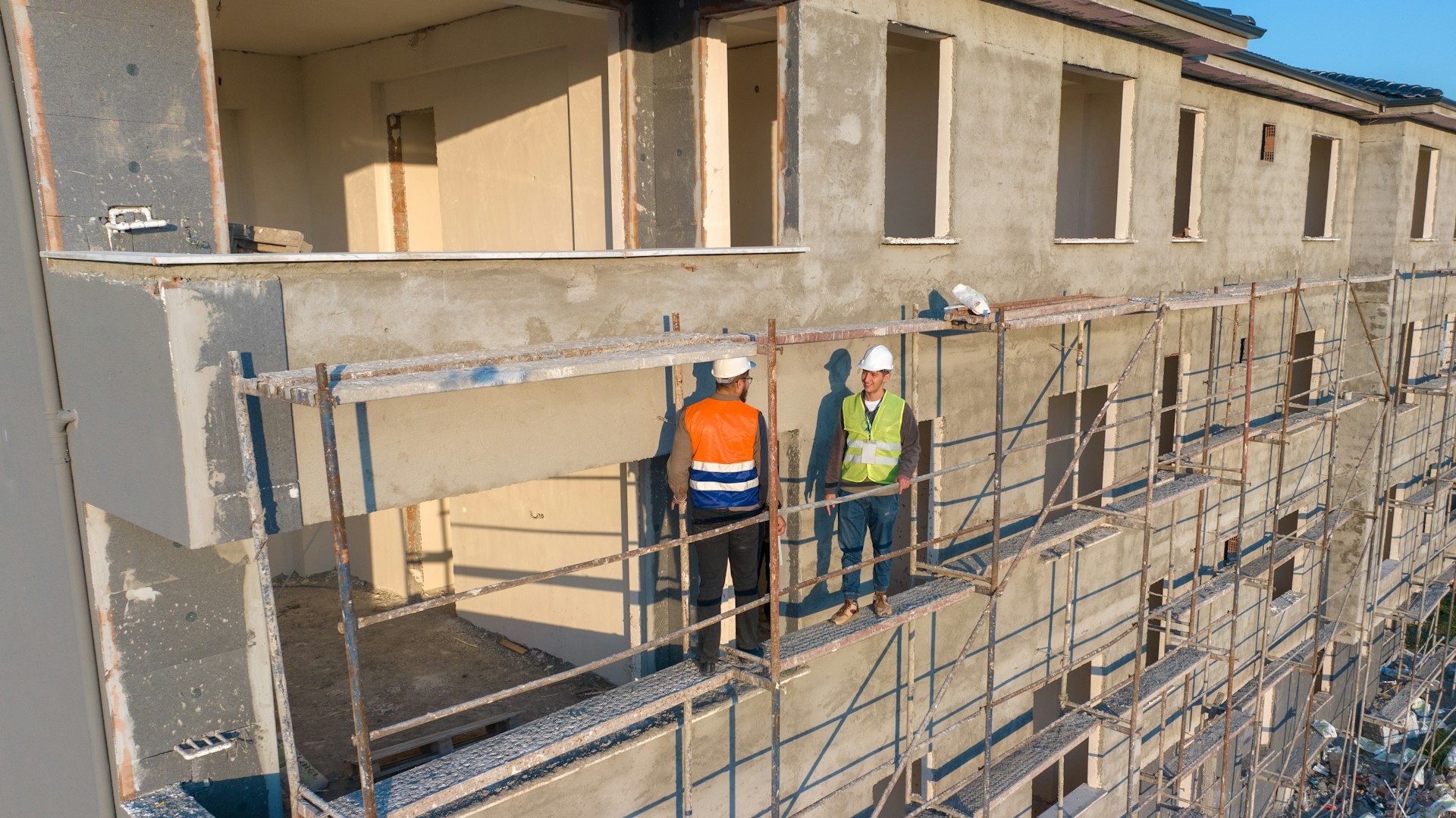
Preventing Facade Failures Before They Start
Good facade work is not just about looks. It is about keeping water, air and noise where they belong, keeping energy use under control and keeping warranty claims low. As building envelopes get more complex, with mixed materials and higher performance targets, small details can cause big trouble if they are not planned well.
Sealants and adhesives sit right at the heart of this. When a facade joint fails, people often blame the tube of product. In reality, many problems start much earlier, at the design desk, in the specification notes or on site when the joint is put in. Hybrid polymer adhesives are a strong tool for long lasting facade bonding and sealing, but only when they are chosen, detailed and applied with care.
At VDB Adhesives, we spend a lot of time helping specifiers and contractors stop failures before they appear. Let us walk through where things usually go wrong, and what you can do differently next time.
Where Facade Adhesive Joints Most Often Go Wrong
When an adhesive joint in a facade gives up, it usually happens in a few clear ways:
- Loss of adhesion to one or both substrates
- Cohesive failure, where the bead tears inside itself
- Cracking at the surface as the joint moves
- Premature ageing, with chalking or brittleness far too early
Certain parts of the facade are always under more stress than others, and these recurring “hot spots” tend to show up on project after project. They include window and door perimeters where movement, wind and water meet, panel joints on rainscreen cladding or cassette systems, interfaces between different materials such as aluminium, concrete and glass, and junctions with insulation boards, membranes or EPDM strips.
In many cases, the chemistry is blamed even though the product is actually behaving as it was made to. The root cause is often the way the joint was designed or built on site, such as poor joint design with wrong dimensions or no allowance for movement, limited surface preparation with dirt or residues left in place, application in bad weather or onto damp or frozen substrates, or selecting the wrong product type for the movement or substrate involved.
When we treat every failure as a “product failure”, we miss the chance to fix the real cause. Understanding what hybrid polymer adhesives can and cannot do is a smart first step.
Understanding Hybrid Polymer Adhesives in Facade Design
Hybrid polymer adhesives bring together features from silicones and polyurethanes, while avoiding some of their downsides. They cure with moisture in the air, form elastic bonds and stick to a wide range of building materials without strong smells or aggressive solvents.
Compared with more traditional facade products:
- Silicones offer high movement, but are often tricky to paint
- Acrylics are easy to paint, but do not like large movement or heavy loading
- Polyurethanes can be strong, but may shrink more and can have stronger odours
Hybrids sit in a sweet spot, combining practical handling with robust long term performance across many typical facade substrates and movement conditions. Common advantages include:
- Low shrinkage, so joints keep their shape
- High elasticity, so they can follow facade movement without cracking
- Broad adhesion to many substrates, including metals, glass, concrete and some plastics
- Low odour, better for indoor comfort and busy sites
- Good paintability with many common facade paints
When using hybrid polymer adhesives in facade design, it is worth planning around a few key points, because the joint detail and the surrounding materials often determine whether the bond performs as intended. Important considerations include:
- Joint dimensions, especially width and depth, to match movement demands
- Stated movement capability of the product, not just “it is flexible”
- Compatibility with facade coatings and finishes
- Interaction with EPDM strips, sealing tapes, insulation boards and primers in the same joint
A well detailed joint that respects these limits will almost always outlast one that simply “fills the gap”.
Eliminating Surface and Substrate Related Failures
Even the best adhesive will struggle on a dirty or weak surface. We often see beautiful facades let down because the bond line was made on top of contamination or unstable layers such as dust or construction debris, laitance on fresh concrete, release agents, form oils or curing compounds, grease, hand prints or site contamination, or poorly bonded old coatings or flaky paint.
Good surface preparation is not glamorous, but it saves a lot of headache later. At a minimum, that usually means:
- Brushing or vacuuming dust and loose material
- Degreasing metal and glass with the right cleaner
- Grinding or mechanically removing weak concrete skin where needed
- Checking that any existing paint or coating is sound and well bonded
Some substrates are naturally more difficult, and they often need a more deliberate approach before committing to full scale installation. Powder coated aluminium, natural stone, high density plastics and some coated glass types often call for special attention. On these, it can be wise to:
- Use the cleaner and primer system recommended for that product
- Make small test bonds on site before full application
- Leave test pieces to age a little, then perform pull or peel checks
Moisture is another quiet troublemaker. Facade joints applied to damp substrates, or where cleaning liquids have not evaporated, are more likely to suffer loss of adhesion. Clear sequencing on site helps, for example:
- Allow time between cleaning and bonding
- Protect open joint edges from rain splash and dust
- Co-ordinate with other trades to avoid fresh contamination from drilling, grinding or painting next to finished joints
Supporting products like primers, cleaners and tapes are not extras, they are part of a complete system that lowers long term risk.
Getting Application and Curing Conditions Right First Time
Even with the right hybrid polymer adhesive and good surface prep, the bead still needs to be shaped correctly. Good joint geometry is a big part of performance:
- Use backer rod or suitable backfilling where needed to control depth
- Aim for a width to depth ratio that fits the product data sheet
- Tool the bead so it wets both sides fully and has smooth shoulders
- Avoid three sided adhesion where movement joints need to stay flexible
Application conditions on site also affect how the adhesive cures. Hybrid polymer adhesives depend on moisture, so both temperature and humidity play a role. Key points to keep in mind:
- Very low temperatures slow curing, very high temperatures can shorten skin time
- High humidity can speed skin formation, which may affect tooling time
- Fresh beads should be protected from rain until a skin has formed
- Strong sunlight on dark substrates can create high surface temperatures
Training installers to read and follow the technical data sheets is one of the best protections against failure. Simple habits, like checking open time, using the right nozzles and pairing the adhesive with compatible foams, tapes and EPDM products, turn a collection of materials into a working facade system.
Specifying Reliable Facade Systems with VDB Expertise
When we look at the facade as a complete system instead of a set of single products, risk drops. Hybrid polymer adhesives then sit alongside PU-foams, EPDM products, spray adhesives, cleaners, primers and tapes, all playing a clear role.
A few practical steps can help specifiers and contractors keep control:
- Discuss challenging details early so product choices match real site conditions
- Use mock ups and trial areas to prove adhesion and movement before full rollout
- Record surface preparation, primers and application methods in project documents
- Keep clear guidance on storage, shelf life and application windows for site teams
At VDB Adhesives, our focus is on supporting professional users with sealants, foams, adhesives and related products for construction and industrial work. With more than 50 years of experience behind our range of acrylics, silicones, hybrids, PU-foams, spray adhesives, EPDM products, cleaners, primers and tapes, we understand how small choices at design and installation stage can prevent facade failures for years to come.
Get Started With Your Project Today
If you are looking to improve performance, speed and reliability in your production, our hybrid polymer adhesives can be tailored to your exact requirements. At VDB Adhesives, we work closely with you to identify the right formulation for your substrates, process and environment. Share your application details and we will help you validate a solution that fits both your technical and commercial goals. To discuss next steps with our team, simply contact us.

