 English
  Nederlands
  Français
  Deutsch
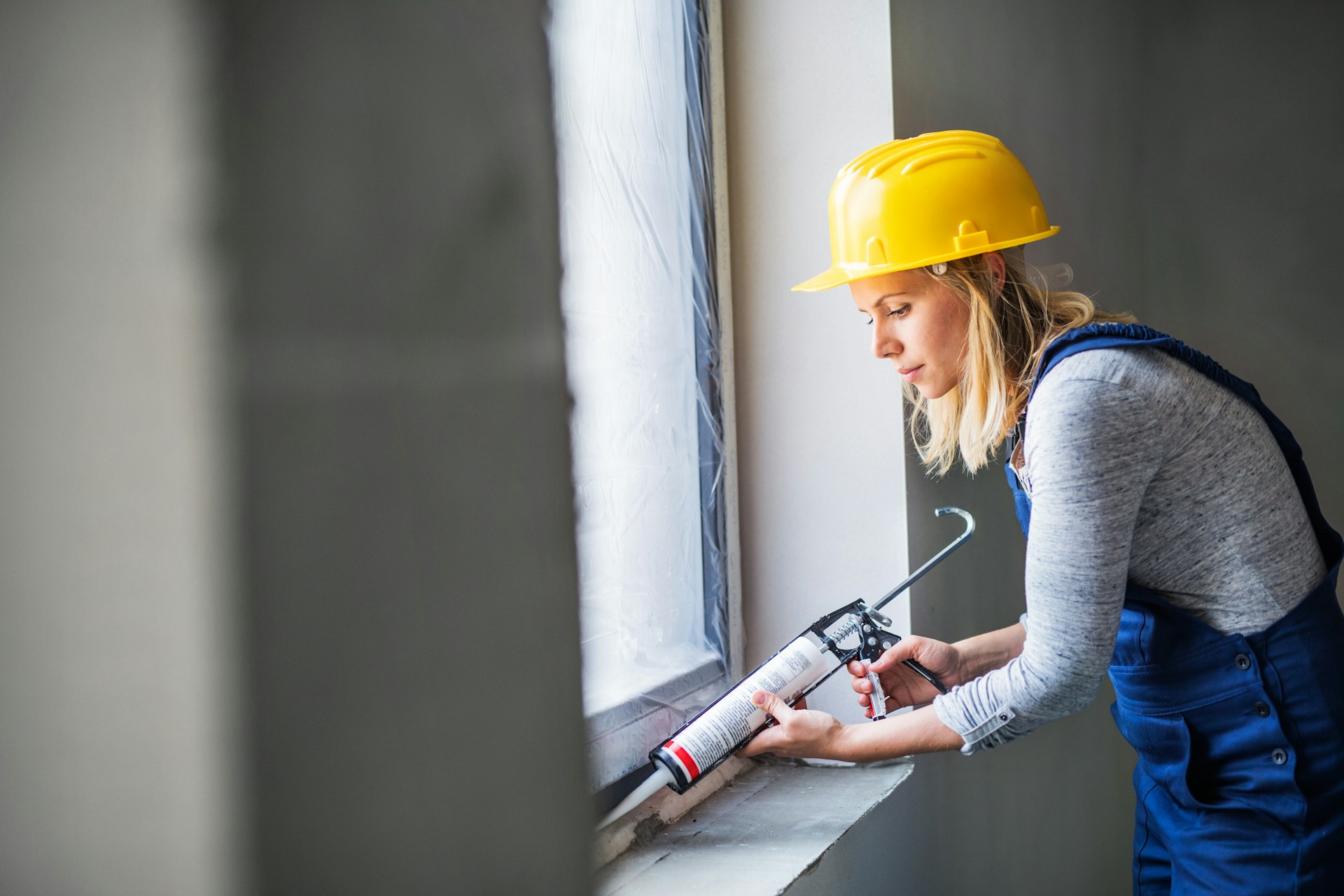
As the weather starts heating up across Belgium, we begin making different choices on site. Warm days bring more than just longer hours. They shift how materials behave, especially around joints and seams. Things like timber, plastic, and stone expand a little under the sun, and if the wrong product is holding them together, it will not take long to notice problems.
That is why heat resistant adhesive matters. It is made to cope with the rising temperatures, helping materials stay bonded even when the sun hits hard. Whether it is a window frame facing south or a rooftop panel warming up before lunch, some areas need backing that will not loosen or fail when warm conditions kick in. With summer building season picking up soon, now is the time to get familiar with a few key points that help us get it right.
What Makes an Adhesive Heat Resistant?
Not all adhesives can take the heat. Some loosen or get soft once temperatures climb, which can lead to the bond failing. Heat resistant versions are different. They are made with additives and base components that hold their shape and grip, even when exposed to steady levels of warmth.
A basic adhesive might work well at room temperature but start to weaken near 40°C. Heat resistant versions often include silicone or hybrid elements to push that limit higher. These changes help the product stay in place when materials move slightly under the sun.
There is also the matter of how the adhesive reacts once cured. A high-temp formula cures into a more stable compound, which helps it manage thermal movement better. It can bend slightly without cracking and is not likely to become brittle with time. That is a big difference compared to standard products, especially where joint stress is part of the daily load.
At VDB Adhesives, we supply heat resistant adhesives formulated from hybrid, silicone, and PU bases, suitable for bonding stone, glass, timber, and other common Belgium construction materials. Our solutions are trusted for performance on rooftops, windows, and outdoor assemblies that demand reliable adhesion through cycles of heat and cooling.
When and Where to Use Heat Resistant Adhesive on Site
We look at more than just temperature when deciding where to use it. Surface type, location, and usage matter too.
- External facades, rooftops, or balcony structures take direct sun through most of the day. Adhesive used there must handle several warm cycles, sometimes in a single afternoon.
- South-facing windows or metal-framed doors warm quicker than shaded walls. These get hotter than expected, especially with dark-coloured finishes.
- Indoors, oven surrounds or rooms with poor airflow, like storage zones or utility spaces, can hold heat for longer than you would guess, especially in compact designs.
For summer installs, it is a smart habit to check the expected location temps. Even a mild day can push surface temperatures up fast. We use heat resistant adhesive in places where we know expansion will happen, even if it is not constant.
Tips for Applying Adhesive When It Is Hot Outside
Hot weather comes with its own rules for handling and applying adhesive. Shade and timing make a difference.
- We stick to early mornings or late afternoons for outdoor application. Midday heat can dry the surface too quickly, trapping air and making the bond uneven.
- Surfaces must be dry and clean. Warm weather can bring more dust, which stops the adhesive from bonding well. A quick wipe is not enough if you are going for long-term grip.
- Do not apply to hot metal or glass straight after the sun has been on it. That heat can mess with curing and might cause the adhesive to skin too early.
It is also easy to rush the process when working in the heat. But giving the product time to settle and level properly matters just as much here as it does in cold weather. When it is hot out, slow and steady tends to give better results.
Qualities to Look for in a Heat Resistant Product
Choosing heat resistant adhesive is more than just reading the label. We look for a few signs that help us trust it on tricky jobs.
- Flexible once cured. If it can stretch and move with materials that expand in the sun, we know it stays stable.
- Clearly marked temperature range. Good products will mention safe use up to at least 80°C, sometimes higher. We double-check that info before applying it in a spot that sees strong sun or enclosed warmth.
- Matches Belgian materials. Stone, brick, timber, and uPVC all react to heat differently. The adhesive must bond well with that mix. Paying attention to what it is compatible with saves trouble later.
Getting this wrong can mean slow slips or small separations that only show weeks after install. We would rather plan ahead than deal with messy rework right in the middle of the season.
How Summer Weather in Belgium Affects Sealant Choices
Belgium’s summer is not always steady. One morning can feel like spring and by mid-afternoon we are dealing with full sunshine and rising humidity. That shift from cool nights to hot afternoons makes buildings breathe and move in small ways. Our sealants need to keep up.
We build with that variation in mind. Adhesives need to stretch slightly, hold tight through wet patches, and not shrink or crack when things cool down again overnight. Water resistant properties help protect against fast changes, especially after random summer showers hit a hot surface. We never count on total blockage but look for moisture-handling that supports outdoor use.
VDB Adhesives offers hybrid and silicone-based adhesives, providing tested performance for building experts who need high strength and weather resistance in exposed settings. Our products are engineered for durable flexibility in both occasional and daily thermal cycling.
Keeping Bonds Strong Through the Warm Months
As May turns to June and the summer build schedule picks up speed, everything we apply gets put to the test. The goal is to avoid mid-season callbacks caused by softened glue lines or cracked edges where things could not cope with the heat. Choosing a steady heat resistant adhesive helps us keep joints reliable, clean, and tightly sealed.
With so many materials moving and weather shifting day to day, there is no single trick. But we have seen that when we match the product to the season, prep carefully, and know how it behaves under strain, the results last. That is the part of the work we stand behind. Attention at the start always pays off when it is 30°C outside and the job needs to hold.
Plan for Confident Results This Summer
Struggling with the impact of summer heat on your sealing projects? We have seen how a strong, flexible bond can determine the success of high-temp applications, especially when surfaces warm at different rates. Choosing the right heat resistant adhesive keeps you ahead of potential issues and ensures your builds perform through shifting seasonal demands. At VDB Adhesives, we are always ready to help you plan your next steps with the best products. Call us today to discuss your warm-weather requirements.

