 English
  Nederlands
  Français
  Deutsch
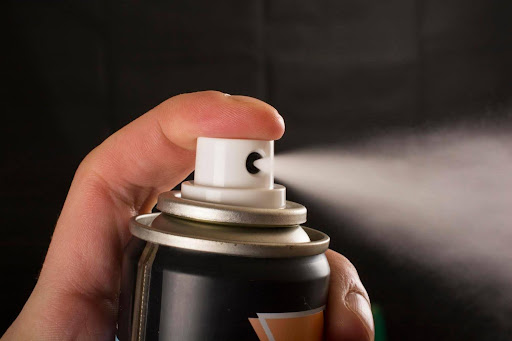
Cold weather has a way of making simple site tasks a bit harder. Materials take longer to settle, surfaces stay damp after handling, and tools do not always behave the way we would like. For those of us working on indoor builds or seasonal fits in December, choosing the right adhesive becomes non-negotiable. Spray contact adhesive gives us flexibility when other bonding options slow down. It sticks fast and holds well, but the way we use it in winter makes all the difference. This guide walks through how to get the best results when applying spray contact adhesive during the colder end-of-year months, especially when jobs pick up indoors.
Understanding Spray Contact Adhesive
Spray contact adhesive is a fast-acting bonding solution applied by spraying both surfaces before pressing them together. It is often used for laminates, timber cladding, foam panels, rubber mats, and other surface finishes where we need an even layer and strong hold almost instantly.
Because the spray creates a thin, widespread coat, it works well on large panels or curved materials where trowel adhesives may pull uneven. Some key benefits of using it in building work include:
• Coverage that allows quick adjustments before setting firm
• Compatibility across a wide range of common substrates
• Minimal sag when applied correctly, which is important for vertical jobs
In colder conditions, it still performs well, but the bond may take slightly longer to form depending on the surface temperature and air movement. What separates spray adhesives from others in winter is that they allow short open times and quick setting in controlled conditions, which keeps us on schedule when other materials freeze or slow down.
We supply professional-grade spray contact adhesives suitable for multi-material indoor projects. Our adhesive products are engineered for even coverage, rapid tack, and reliable hold, helping installers keep pace with tight schedules in colder conditions.
Cold Weather Challenges for Adhesive Work
By December, site conditions can be unpredictable. Even indoors, things cool down overnight and take time to warm up even in well-heated areas. That shift in temperature affects how adhesives cure, grip, and hold under pressure.
Some typical cold-weather issues include:
• Slower drying times due to lower ambient temperatures
• Condensation lingering on materials that look dry but still carry a film of moisture
• Uneven surface temperatures, especially on walls near windows or cold floors
When materials are not close in temperature, one may set the adhesive faster than the other, which pulls against the bond. That is why we always recommend checking temperatures around morning prep and allowing materials to sit in the working room for a bit first.
Best Conditions and Surface Prep in Winter
Getting a proper seal starts well before the can is even in your hand. With colder weather, winter prep matters more than ever. Even when adhesives are made to work across seasons, what they grip to plays a big role.
To keep things simple, here is what we look for on site:
• Surfaces that are clean, dust-free, and dry to the touch
• Materials that have been stored at room temperature before application
• Working areas shielded from drafts or open doors to keep conditions steady
If a surface feels too cool to the skin or visible fog sits on it, take a few minutes to let it air or gently warm it with a room heater. We are not talking about heating it like metalwork, just taking the edge off so the adhesive can stick evenly. That small step often saves time on rework later.
Tips for Applying Spray Contact Adhesive in Low Temperatures
Once everything is ready, how you handle the spray matters. Even the most reliable products can misbehave when we rush or skip steps. Cold rooms do not just slow drying, they change how fast chemicals flash off the surface.
Here are the simple rules we follow:
• Shake cans thoroughly before each use to keep the mix even
• Allow the adhesive to tack off, checking with a clean finger, not just by time
• Use proper ventilation to clear out vapour without pulling cold air into the room
• Apply two coats on porous surfaces, especially if they have cooled overnight
In heated interiors, we might see quicker skinning than usual, which means missing the bonding window if delayed. That is why timing between spraying and bonding is just as important as prep. Plan small sections, spray both surfaces, wait for the tack, then press and roll firmly.
When and Where to Use It Indoors Through December
While cold limits what we can do outdoors, indoor jobs tend to increase. That makes spray contact adhesive a good fit during the leadup to winter holidays.
Typical places we use it in December include:
• Acoustic panel installs in converted office or loft spaces
• Foam or textile wraps on columns, bare walls, or lift shafts
• Insulation boards placed against internal cavity walls or between joists
• Floor underlay bonding before finish materials go down
It works well for temporary joints that will later be covered or reinforced. Heated areas like kitchens, utility rooms, or occupied flats give us more control, as the consistent warmth keeps things steady for bonding. In wetter buildings like basements or bathrooms, we work fast and avoid areas with standing damp, focusing instead on rooms already ventilated and drying.
We provide clients with clear technical data and guidance for achieving optimal bonding in different indoor environments, helping avoid cold weather setbacks and supporting neat, fast installations.
Steps to a Lasting Bond in Winter
This time of year pushes all of us to work a bit smarter. Days are shorter, materials respond slower, and finishing delays affect the whole timeline. A steady hand, a bit of prep, and reliable technique go a long way to keeping things on track.
Spray contact adhesive still does the job well through colder months, but it asks us to stay aware of what is around it. If a surface is not ready, the seal will not hold. If we skip the wait between spray and bond, the tack will not last. It is those small checks, thirty seconds here, a quick temp check there, that make the biggest difference.
As always, the job holds best when we pay attention to both the adhesive and the site conditions it meets. Cold weather is not a roadblock. It is just another factor we work with to get clean, sturdy results every time.
Working on indoor applications this winter means reliable bonding across mixed materials is a must. Our guidance on using spray contact adhesive can help you achieve smoother installs, even in cold site conditions where timing and consistency are necessary. Slight adjustments in preparation and application keep projects moving efficiently. At VDB Adhesives, we provide expert support so you get lasting results for your winter fit-outs. Contact us to discuss the best solution for your needs.

