 Français
  English
  Nederlands
  Deutsch
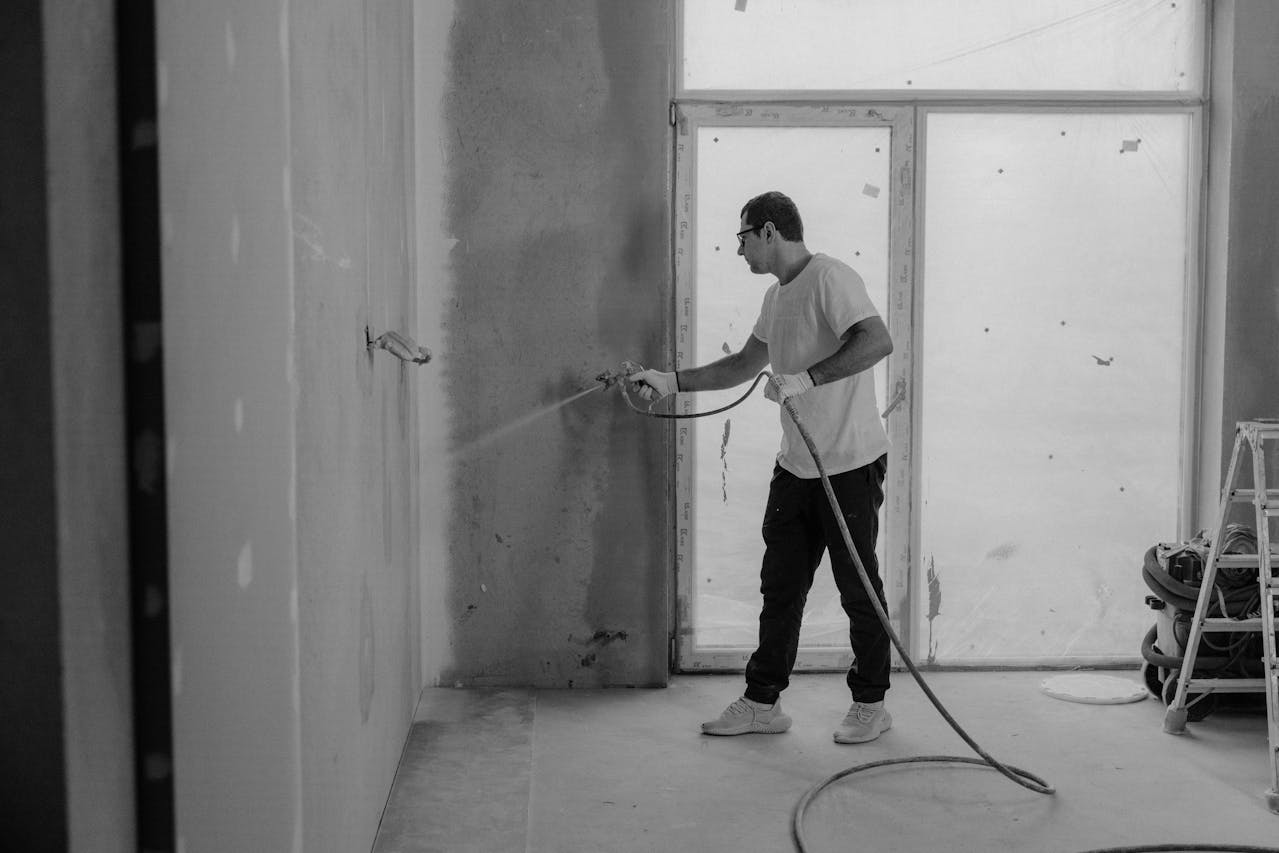
Spray adhesives are often the quiet helpers during indoor jobs. They work well when we want something fast, tidy, and simple. Especially in colder months like February, when working conditions aren’t ideal outdoors, we tend to lean on materials that let us keep moving inside. Spray adhesives can be a solid choice for small surface bonding or when working with tricky layers like foam or fabric.
This type of product is handy when heavier adhesives are too slow or not suited to vertical or overhead work. But just because the work is happening indoors doesn’t mean the conditions are perfect. Things like humidity, cold surfaces, or uneven application can still throw us off. That’s why it helps to know when these products work best, how to prep, and what to avoid. Let’s walk through the basics of when and how to use spray adhesives for indoor applications that last.
When to Use Spray Adhesives Indoors
There are plenty of moments on site when a spray can makes more sense than a cartridge or tin. With indoor builds, we find these adhesives most useful in lighter-duty applications where speed and coverage matter more than mass or depth. Jobs where we reach for spray adhesives indoors tend to fit into these categories:
- Bonding soft, light, or flexible materials such as foam panels, felt, insulation, or fabric
- Installing ceiling panels without drips or long drying times
- Laying thermal insulation where wet adhesives might sag or smear
- Quick sticking on wall overlays, soundproofing sheets, or plastic trims where clamps are awkward
Spray adhesives can cover a broad surface fast and stick quickly, which saves time. There’s less squeezing and less waste. But they’re not meant to hold extreme weight or bridge large gaps. For indoor fit-outs, refinishing, or insulation layers, they do the job well when used with the right expectations.
VDB Adhesives offers specialist spray adhesives designed for high tack and smooth, controlled spraying. Our adhesive range is suitable for substrates such as fabrics, insulation boards, and lightweight construction panels.
These products are formulated to reduce overspray and ensure a quick, secure grip during assembly, providing consistent application even in workspaces affected by seasonal temperature changes. Whether you’re handling large-scale fittings or small touch-ups, these adhesives let professionals work efficiently without creating mess or wasting time. In busy winter months especially, that reliability is always helpful to keep jobs moving forward.
How Indoor Conditions Change Application
We sometimes think working indoors solves all the weather problems, but that’s not always true. Just like with other adhesives, condition still shapes performance. During winter, even indoor spaces come with challenges.
- Cold surfaces can stop the adhesive from bonding correctly. Before we know it, what feels “room temperature” to our hands might still be too cold underneath.
- Damp rooms with little ventilation extend curing times or leave tacky patches. That’s especially true in closed basements, near older windows, or where there’s been recent plumbing work.
- Local heating, like space heaters or radiators, may dry out the air but shift how the spray settles. Too dry and the pattern can look dusty or uneven, which lowers contact.
That’s why we tend to check not just the air in the space but the temperature of what we’re sticking to. A few degrees difference in a wall or ceiling panel can decide whether a bond holds or lifts. Even in mild climates, winter dampness can linger in indoor spaces. It’s worth taking a few moments to double-check both the air and surface temperature since a little patience early on makes sure adhesive bonds stay secure over time.
Surface Prep and Spray Technique
Quick jobs often tempt us into skipping the prep, but even indoors, that step matters. The spray adhesive only holds as well as the surface it’s sprayed onto. We’ve seen plenty of indoor bonds fail just because of missed prep.
- Surfaces should be dry, smooth, and dust-free. Wiping things down doesn’t take long but makes a big difference.
- Winter jobs often mean condensation or damp patches near windows, pipes, or concrete walls. We take the time to check and wait if needed.
- When spraying, hold the can at the right distance, usually around 20 to 25 centimetres, to avoid over-wet spots or thin patches.
- Thin, even layers work better than one heavy coat. We often do two light passes with a few seconds in between.
The goal is to keep the contact clean, and even so weight spreads the same across the surface. That’s what helps keep panels flat and stops corner peel-back later. When working with different materials, we try a quick test spray on scrap to make sure the spray pattern works as expected, and that small step can help spot issues before starting on the real job. Taking care with the distance and speed of movement makes the bond more solid, reduces waste, and means less cleanup when done.
Common Mistakes to Avoid with Spray Adhesives
We’ve all had those moments where something seemed quick, only to redo it later. Most issues with spray adhesives indoors come from the same basic missteps. Knowing what to watch out for can save us time and keep our bond strong.
- Spraying too close creates puddles, which never set right. They stay soft and can cause slumping or loosen over time.
- Failing to check surfaces for cold or dampness means the hold may never take. Just because the room feels warm doesn’t mean the wall is.
- Rushing the job before materials adjust to room temperature is another risk. Cold foam or metal can resist a bond or trap condensation underneath.
Taking a few extra minutes to double-check each layer often keeps us from redoing the job in a week’s time. We’ve learned to slow things down just enough to get them right. Another mistake is missing hidden dust or bits of insulation, which stops the adhesive from getting good contact.
Using a clean brush or vacuum before spraying makes a difference for a clean stick. Professionals also know to check for drafts or unexpected airflow that might change how the spray falls, which means less risk of overspray and wasted product.
Smarter Indoor Bonding All Winter Long
When the work piles up during winter, we rely on tools that can keep pace with the season. Spray adhesives suit indoor jobs well when we stay in control of surface conditions and take the time for clean, proper prep.
Cold sites call for extra attention, but that doesn’t mean delays. Bonding indoors with these products is often faster than with more traditional adhesives, especially when we’re aiming for neat finishes or hard-to-clamp spaces.
By focusing on proper spray distance, dry substrates, and layering rather than soaking, we can make the most of each can. Watching out for hidden dampness or frozen corners keeps the job on track, even on grey or wet February days. With careful application and the right setup, we get holds that stay strong without creating mess, hassle, or surprises down the line.
Choosing the right product for winter is simpler when you have a supplier with deep technical knowledge and a broad range of purpose-designed adhesives. Our spray adhesives are delivered with usage guidelines and expert advice, helping you avoid common pitfalls and achieve quality bonds no matter the season.
Staying productive during winter indoor projects is all about using the right materials for the job. Whether you’re working with insulation panels, lining material or lightweight wall fittings, our adhésifs en aérosol keep your workflow efficient and mess-free. At VDB Adhesives, we make your work simpler with solutions suited to your needs and working environment. Tell us about your next project and see how we can help. Contact us today.

