 English
  Nederlands
  Français
  Deutsch
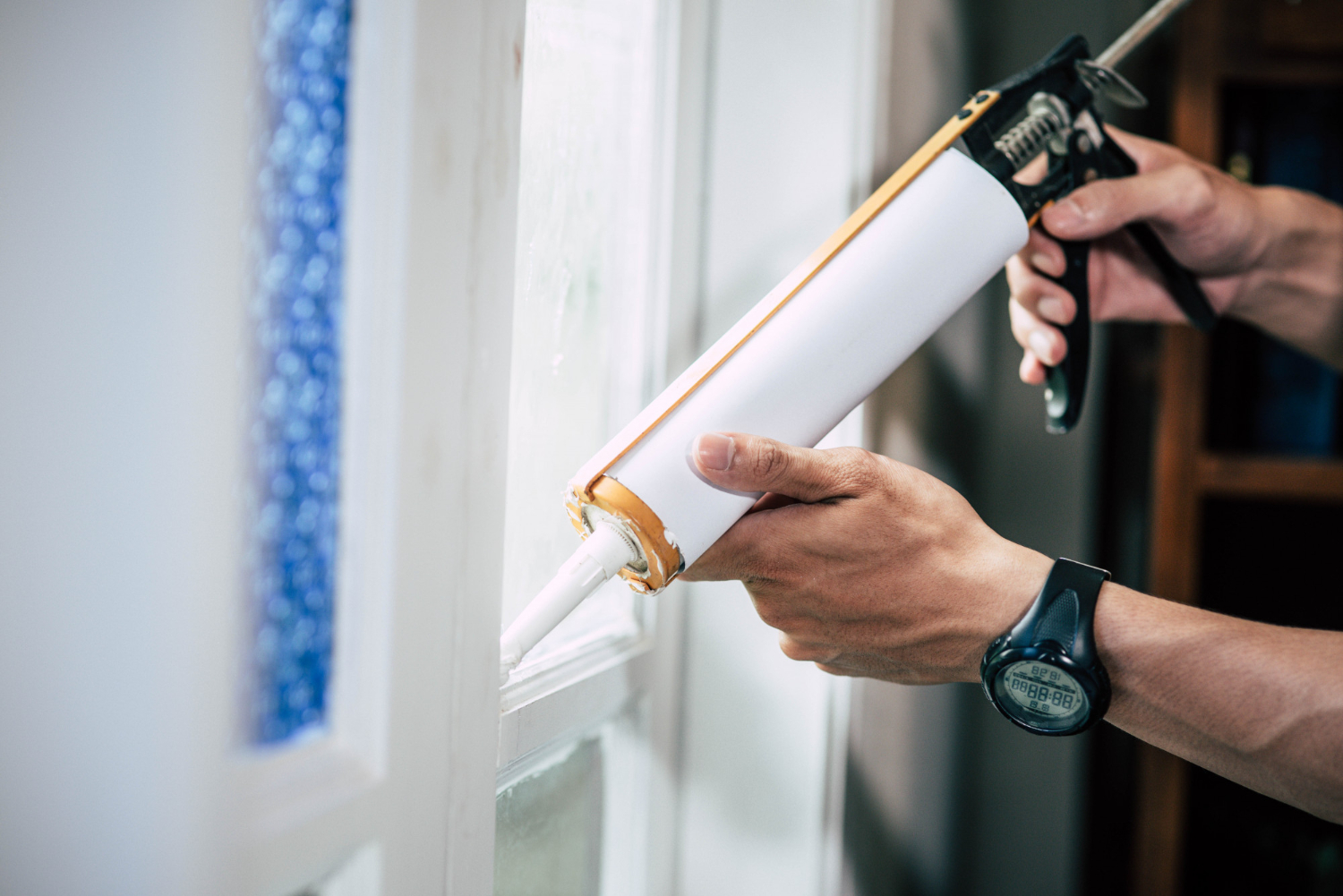
Why Hybrid Polymer Adhesives Are Transforming Building Work
Hybrid polymer adhesives are becoming a trusted choice on site because they simply make building work easier and more reliable. They help with both bonding and sealing, across many different jobs, without needing a long list of separate products. For contractors, specifiers, and manufacturers, that means fewer headaches, fewer product changes and more consistent results.
Traditional solvent-based and pure silicone products still have their place, but they can bring limits. Solvent-based systems may shrink or give off strong odours. Pure silicones can struggle with certain substrates or paintability. Hybrid polymer adhesives blend the strengths of silicones and polyurethanes, while cutting back common drawbacks like shrinkage, discolouration and narrow adhesion ranges.
The result is a new class of products with strong bonding power, flexible movement, and a cleaner profile for health and safety. As building methods advance and standards across Europe tighten, hybrids are becoming a future-ready option that can keep pace with change, from on-site installation to off-site fabrication lines.
Versatile Bonding Power Across Modern Substrates
Modern projects rarely deal with just one material. On a single façade or internal fit-out, you might see concrete, brick, metals, glass, plastics, painted surfaces and different types of panels. Hybrid polymer adhesives are built for this mix.
Across typical construction and industrial work, hybrid products can bond to:
- Mineral materials such as concrete, brick and stone
- Metals like steel and aluminium
- Glass and glazed units
- Many plastics and coated surfaces
- Painted and powder-coated substrates
In many cases this can be done without a separate primer, which helps installers keep things moving. One cartridge can follow the job from bonding a window frame to sealing a panel joint, with less need to stop and swap products.
High initial grab is another practical benefit. When an adhesive offers strong tack from the start, it:
- Holds heavy elements in place while they are fixed mechanically
- Reduces the need for extra supports on site
- Speeds up fitting of cladding, skirting, trims and profiles
Over time, long-term elasticity keeps the bond working even as the building moves. That matters on façades, around roofing components and in flooring build-ups, where there can be regular vibration or thermal movement.
This kind of versatility helps teams simplify stock and training. Instead of managing multiple specialist products for each substrate, many companies can move towards a tighter core range, with hybrid polymer adhesives at the centre. That supports consistent performance from small refurbishments to large industrial or modular projects.
Durability That Matches Demanding Environments
Once a building is finished, the adhesive and sealant work is expected to perform quietly in the background. Hybrid polymer adhesives are designed to deal with weather, movement and time, supporting the building envelope through its life.
Key durability strengths include:
- Resistance to moisture and driving rain
- Stability under UV exposure and sunlight
- Performance across temperature swings
- Ability to absorb mechanical movement
In real terms, that helps where joints are exposed to sun, wind and cold, such as façades, roof details and external panels. It is just as important indoors in areas like industrial plants, transport infrastructure and busy public buildings, where vibration and thermal cycling are part of daily use.
Low shrinkage is another useful characteristic. When an adhesive or sealant shrinks heavily, gaps can form, which risks air and water getting in. Hybrids are formulated to keep shrinkage low, which helps the seal stay tight and neat.
Strong adhesion retention and stable elasticity work together here. The product sticks firmly to the substrate and keeps its flexibility for movement, instead of going brittle. This helps maintain airtight and watertight joints, reduces the chance of cracks and leaks, and can cut down on callbacks for repairs and maintenance visits.
Enabling Safer, Cleaner, and More Compliant Sites
Health, safety and environmental rules are getting stricter, and rightly so. Many project teams want products that perform well but also support better working conditions and long-term indoor air quality.
Hybrid polymer adhesives often have:
- Low solvent content
- Very low VOC characteristics
- Odour-reduced formulations
Many hybrids are also isocyanate-free and phthalate-free. For installers working long hours, low odour and cleaner chemistry can make the workday more comfortable. This is especially helpful in occupied buildings, such as schools, offices or homes, where strong smells and heavy solvent use can be a real concern.
These characteristics are also valued in healthcare settings and in off-site manufacturing facilities, where consistent, cleaner production environments are needed. In these areas, products that support better indoor conditions and align with European regulations and green building goals are a clear advantage.
By choosing low VOC, low solvent hybrids, specifiers can support long-term indoor environmental quality and occupant wellbeing, while staying on the right side of tightening guidance across European markets.
Supporting Faster, More Efficient Construction Methods
Time pressure is normal on construction sites and factory lines. Teams want products that fit tight programmes without trading away reliability. Hybrid polymer adhesives help here too.
Fast skinning and cure times can:
- Shorten waiting times between application and the next trade
- Reduce the risk of dust or debris sticking to fresh joints
- Help prefabricated parts move down the line more quickly
For modular, panelised and other off-site methods, consistent cure behaviour and predictable adhesion are important for quality control. When every unit must match, batch after batch, a stable hybrid system gives manufacturers confidence in both the bond and the seal.
The idea of one product with many uses also supports leaner workflows. With a capable hybrid adhesive, installers can handle more of the daily bonding and sealing tasks with fewer cartridges. That can:
- Reduce product changeovers and errors
- Cut training time for new team members
- Simplify logistics and storage on busy sites
This mix of speed, simplicity and reliability fits well with modern construction, where efficiency and repeatability are key, from initial fix to final detailing.
Choosing Hybrid Polymer Adhesives That Build Long-Term Value
Not all projects need the same adhesive, so smart selection still matters. When choosing hybrid polymer adhesives, it helps to work through a few clear points:
- What is the full mix of substrates on the job or product?
- How much joint movement needs to be absorbed?
- Will joints face heavy weather, UV or mechanical stress?
- Are there specific certifications or standards to meet?
- Is private label supply important for your market or brand?
By weighing these questions, decision-makers can build a more streamlined, future-ready product portfolio. For many, that means keeping some silicones for certain specialist tasks, but shifting a large share of everyday bonding and sealing over to advanced hybrid systems.
At VDB Adhesives, we focus on professional sealants, adhesives, foams and related products for construction and industrial applications, with long experience across European markets. Our team works with contractors, specifiers and OEM manufacturers to match the right silicone and hybrid solutions to their real-world conditions.
Auditing your current adhesive range can reveal overlaps, gaps and older products that no longer fit modern methods or standards. From there, moving towards a core of well-chosen hybrid polymer adhesives can support durable, clean and efficient projects, ready for how buildings are designed and built now and in the years ahead.
Get Started With Your Project Today
If you are ready to improve performance, durability and efficiency in your assembly or construction process, our hybrid polymer adhesives can be tailored to your exact requirements. At VDB Adhesives, we work closely with your technical team to identify the right formulation and support you through testing and implementation. Share your project details with us via our contact page so we can help you move from concept to reliable, repeatable production.

