 English
  Nederlands
  Français
  Deutsch
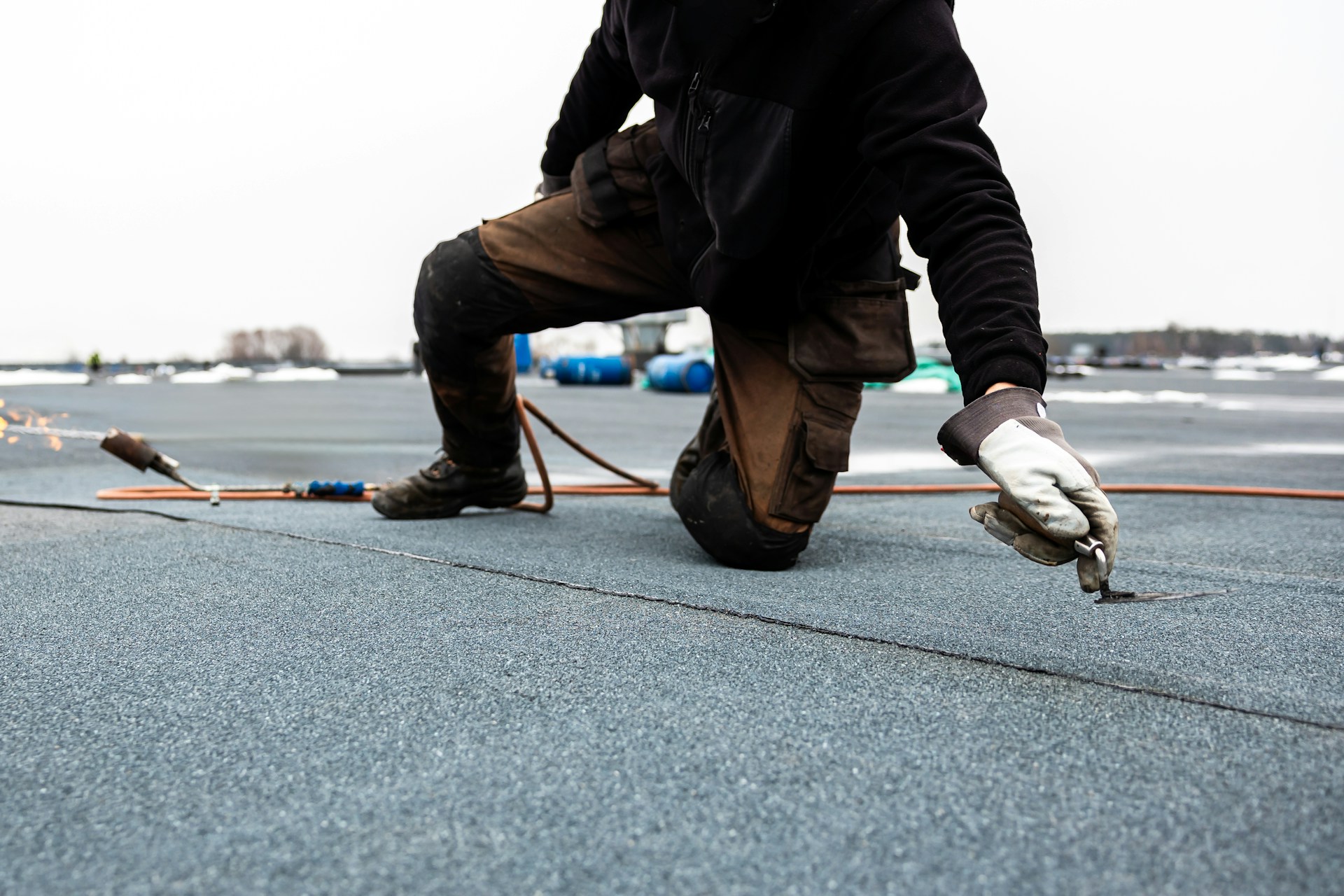
Why Large EPDM Roofs Fail So Often
Adhesive failure is one of the biggest reasons large EPDM roofs leak before they should. When the bond between the membrane and the substrate breaks down, water finds its way into seams, laps, and edges. That leads to callbacks, wet insulation, and in the worst cases, full roof replacement long before the system has paid for itself.
On big commercial roofs, the risk goes up fast. You have more seams to watch, more details to get right, and more time for weather and building movement to work on every weak spot. The good news is that with the right EPDM roofing adhesive system and a smart installation plan, those problems can usually be avoided.
Why Large EPDM Roofs Are So Vulnerable
The bigger the roof, the more it moves. Long runs of EPDM see real expansion and contraction as temperatures swing. Wind uplift tugs at corners and edges. All of that stress ends up right where the adhesive is working the hardest.
On large footprints, you often see:
- Long membrane sheets with many field seams
- Dozens of penetrations for HVAC, vents, and pipes
- Parapets, expansion joints, and transitions to other roof areas
- Different substrates in different zones of the same roof
Each of those details is a chance for poor bonding or the wrong EPDM roofing adhesive choice. If drainage is not planned well, ponding water can sit over marginally bonded areas. If the substrate is dusty, damp, or not fully cured, the bond never reaches its full strength.
Compatibility can also catch people out. Primers, sealants, tapes, and adhesives all need to work together as one system. When they do not, you might see softening, loss of tack, or peeling right at the places that need to be tight.
Choosing the Right EPDM Roofing Adhesive System
There is no single adhesive that fits every large EPDM job. Different areas on the same roof may even need different products. That is why the first step is always to match the adhesive to the substrate, slope, and installation method.
Common options include:
- Solvent-based contact adhesives, often used for vertical surfaces, edges, and details
- Water-based adhesives, typically used on smooth, clean horizontal surfaces
- High-performance hybrid systems that combine strong adhesion with flexibility
Concrete, metal decks, wood, and insulation boards all respond differently. Fully adhered systems need a uniform, continuous bond. Partially adhered areas, or mechanically fastened zones, may rely on adhesive only in certain strips or details.
For reliable performance, the whole package has to be thought through. That means choosing quality adhesive from a specialist manufacturer, checking compatibility with primers, sealants, and tapes, and following the roofing system supplier’s guidance. At VDB Adhesives, we focus on advanced silicone and hybrid polymer solutions, along with the other products needed to support them as a system.
Best Practices for Strong Bonds on Big Roofs
Good adhesion starts long before the first pail is opened. Substrate preparation is where many large EPDM roofs succeed or fail.
Key basics include:
- Substrates must be dry, clean, and structurally sound
- Dust, release agents, loose fibers, and old adhesive must be removed
- Moisture in concrete or screeds needs to be checked and managed
- Any damaged or soft areas must be repaired before bonding
On big roofs, application planning matters. You cannot coat a giant area with EPDM roofing adhesive, walk away, and hope it is still in the right open time when you return. Instead, crews should work in manageable zones, so the adhesive flashes off correctly and the EPDM is laid while tack is at its best.
A few points to keep in mind:
- Follow recommended coverage rates, and check coverage visually
- Use the right tools for rolling or pressing the membrane into the adhesive
- Sequence work so seams, laps, and terminations are not rushed
- Pay extra attention to roof edges, corners, parapets, and penetrations
For those critical details, many professionals use a layered approach. Adhesives provide primary bond, while compatible sealants, tapes, and accessories give a second line of defense if movement or aging puts stress on the first.
How to Prevent Failures Before They Happen
Most adhesive failures on EPDM roofs come back to a short list of mistakes. On large projects, even one of these repeated across a wide area can cause real trouble.
Common problems include:
- Under-application or thin, patchy coverage
- Bonding over wet, frozen, or very cold substrates
- Ignoring open times and cure times
- Applying adhesive in strong wind that skins the surface too fast
Weather on large, open roofs can shift quickly. High sun can heat dark substrates, cold evenings can slow curing, and gusty winds can pull heat and solvents away before full bonding happens. Planning work sequences around temperature, humidity, and wind is one of the best protections against failures.
A simple quality-control program helps a lot:
- Field pull tests at regular intervals and at key details
- Visual checks of coverage and transfer between membrane and substrate
- Tracking adhesive usage against expected coverage
- Daily checklists that match the roof design and the adhesive system
When project teams build these checks into their routine, problems show up early, while they are still easy to fix.
Maintaining EPDM Roof Bonds Over the Long Term
Once a large EPDM roof is in service, its adhesive bonds still need attention. Regular inspections, especially after strong storms or big temperature swings, can spot early signs of distress before they turn into leaks.
Good maintenance habits include:
- Clearing debris that can trap moisture or rub on the membrane
- Watching known ponding areas and planning improvements where needed
- Checking around HVAC equipment, roof hatches, and pipe penetrations
- Inspecting perimeter edges and terminations for movement or lifting
When repairs are needed, using compatible materials is very important. EPDM roofing adhesive, primers, and sealants should be matched to the existing system, so the repair does not weaken nearby bonds or affect warranty conditions. Many problems start when quick fixes are done with products that are not designed to work together.
At VDB Adhesives, we have spent decades focused on professional sealants, adhesives, foams, and related products for construction and industrial use, including EPDM roofing adhesive solutions that support long-lasting roofs in demanding climates. With the right system, planning, and care, large EPDM roofs can resist movement, weather, and time, and keep water exactly where it belongs: outside the building.
Get Started With Your Project Today
Choose the right EPDM roofing adhesive so your roofing system performs reliably for the long term. At VDB Adhesives, we work with you to match the adhesive to your specific application, climate, and installation needs. If you are ready to review options or talk through a project, contact us and we will help you move forward with confidence.

