English
  Nederlands
  Français
  Deutsch
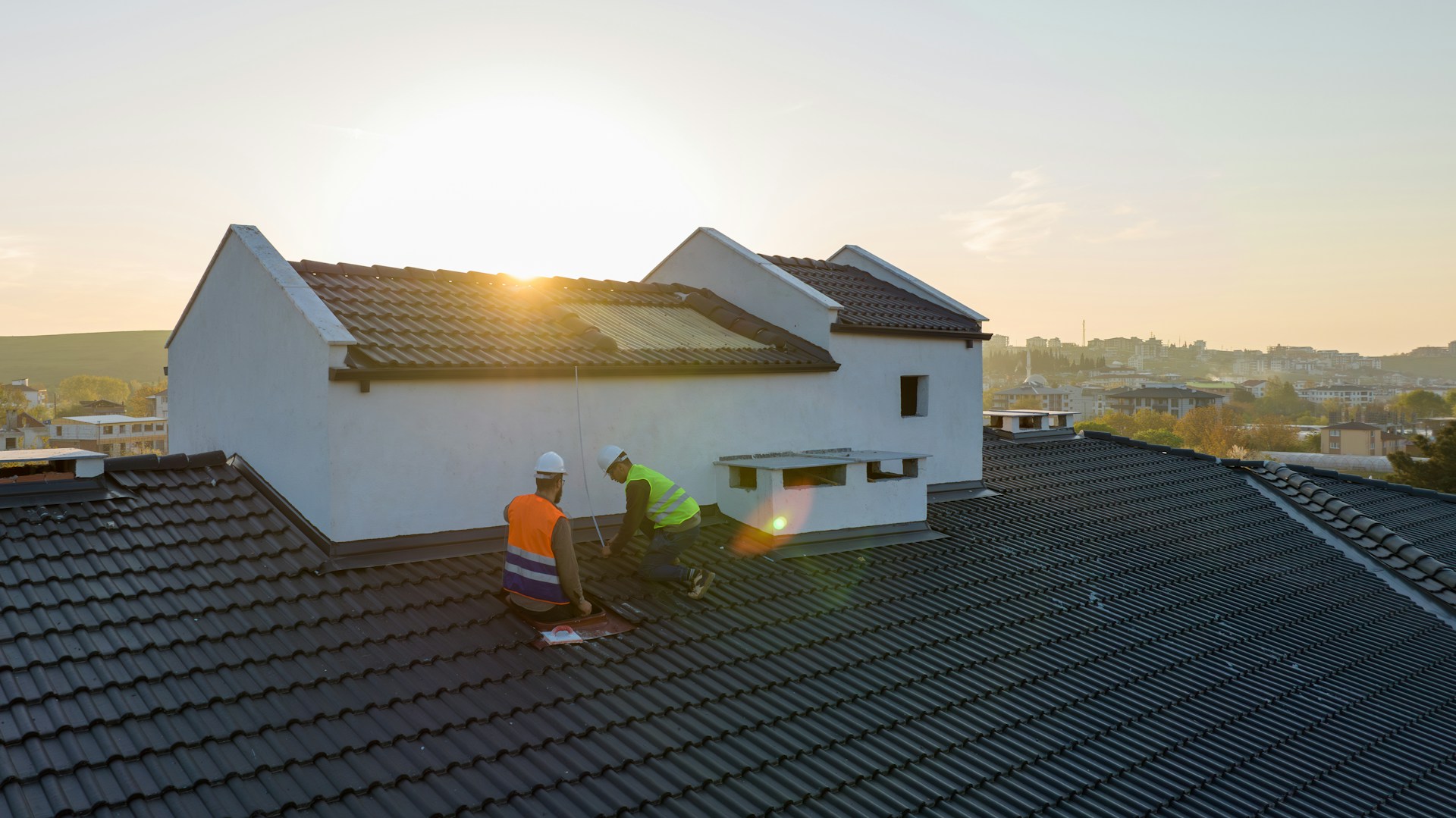
Roof repairs in early spring often come down to fixing small faults before they grow into bigger problems. Loose edges, bubbles in membrane layers, or spots lifting by roof details like vents and drains are common issues we run into during this stretch. With colder nights still lingering and moisture not far off, it helps to have a simple bonding method that’s quick, effective, and holds steady under mixed conditions. That’s where using contact adhesive for roofing can play a solid role.
It’s not about replacing full systems. It’s about getting the fix done right so things stay put through wind and wet without chewing up the rest of the day. This kind of adhesive gives us a chance to work clean and fast, especially when replacing mechanical fasteners would be overkill for a small patch. Here’s where it fits best, what mistakes to skip, and how to get a dependable seal the first time, no call-backs.
Areas Where Contact Adhesive Makes Roofing Easier
There are a few places where the job gets smoother with the right adhesive in hand. Contact adhesives work best where large surfaces meet or need sticking without weight or pressure holding them in place.
- Sticking insulation boards to flat decks, or bonding vapour barriers to underlayers, is quicker when we can apply to both sides and leave them to tack for a moment.
- It also works well for small patch jobs near gutters, rooflights, or other tricky cuts. If a corner’s lifting or a join’s starting to curl, a quick contact bond can settle it back down without pulling up half the roof.
- On dry days with a short weather window, the adhesive’s fast grab means we’re not waiting long before moving on. That makes it useful in March when we’re trying to beat the next rain.
It’s not right for every situation, but for well-prepped, clean areas with flexible material movement, it can save a lot of grief.
VDB Adhesives supplies professional-grade roofing adhesives engineered for multi-material compatibility, including EPDM, bitumen, and insulation details. Our products are formulated for strong adhesion and efficient application on a range of rooftop substrates.
Spring Roofing Conditions: What to Prepare For
We don’t always get perfect conditions in March. Nights can still get cold, and early mornings might leave some dew on surfaces. That makes it all the more important to watch how we prep and work.
- Surfaces should always be dry before adhesive goes on. Even a bit of damp can weaken the bond or stop it from setting completely.
- If the backing is chilled, it’s worth warming it slightly with ambient heat. Cold surfaces don’t grip as well, and curing slows down.
- Matching the adhesive to the materials we’re using, whether EPDM, bitumen sheets, or metal flashing, helps avoid peeling where expansion or pull force is higher.
Quick fixes only stay fixed if what we’re sticking to is sound and set to take a bond. Rushing this step often leads to twice the work.
Mistakes That Lead to Weak Bonding
Every adhesive job has a sweet spot where things work just right. With contact adhesive, mistakes often pop up not in the product, but in how it’s used.
- Rushing the open time is one of the main issues. It’s called “contact” adhesive for a reason, we apply to both surfaces and then wait until tacky before pressing together. Skipping the wait means weaker joins.
- Too much glue leads to lumps or bleed-out. Too little can miss key spots altogether. Either way, poor coverage means poor stick and early fail.
- Some spots on the roof move more than others, especially around edges or where materials meet. Using a rigid adhesive where flex is needed just sets us up for cracks.
It’s tempting to go fast, especially when the job looks minor. But getting these basics right saves redo time later.
Getting a Clean, Long-Lasting Seal
When we want things to stay sealed and tidy, it’s all about applying with care. Clean bonds aren’t just for looks, they help keep moisture out and heat in.
- The layer of adhesive should be just thick enough to cover evenly, edge to edge. We’re not painting it on thick, just making sure every part gets touched.
- Once both sides are coated and touch-dry, pressing them together firmly from one end to the other avoids bubbles and skips. Rushing here leaves seams that fail after a few days of sun or frost.
- For roofing work, it’s worth using adhesives built to handle the material mix and tension that comes with changing weather. General-purpose products won’t hold up as long.
Every join is part of how the surface works as a whole. When we treat even small bonds with the same attention as large installs, the roof holds better longer.
Keep Roof Work on Track This Spring
Spring gives just enough warmth to get started again, but not every day will be perfect. That’s why we focus on small, reliable fixes that hold up without dragging out the job. Contact adhesive for roofing offers that edge, it’s fast to use, sets firmly, and works well when applied with care.
Moisture, early morning chill, and tight timelines all play a part this time of year. By sticking to good prep, clear product use, and the right timing, we handle roof fixes cleanly and keep the schedule moving forward. We’re not looking to replace everything. We’re just making the parts we touch stronger than when we found them.
At VDB Adhesives, we understand how important it is to keep your spring roof repairs on schedule with reliable products that work in real site conditions. Our adhesives are designed for straightforward application, whether you need flexible joins or quick-drying patches. From insulation boards and detail areas to improved moisture resistance on flat roofing, having the right materials makes all the difference. Explore our range, including options suited for contact adhesive for roofing, to find the best fit for your project. If you have questions or want advice selecting the right adhesive, contact us today.