English
  Nederlands
  Français
  Deutsch

April tends to bring more than flowers. For those of us working outdoors, it usually means shifting weather, damp starts, and occasional downpours. That’s why knowing how a silicone sealant for waterproofing behaves in the rain matters. With unpredictable spring weeks ahead, knowing what holds and what doesn’t saves time and stress on site.
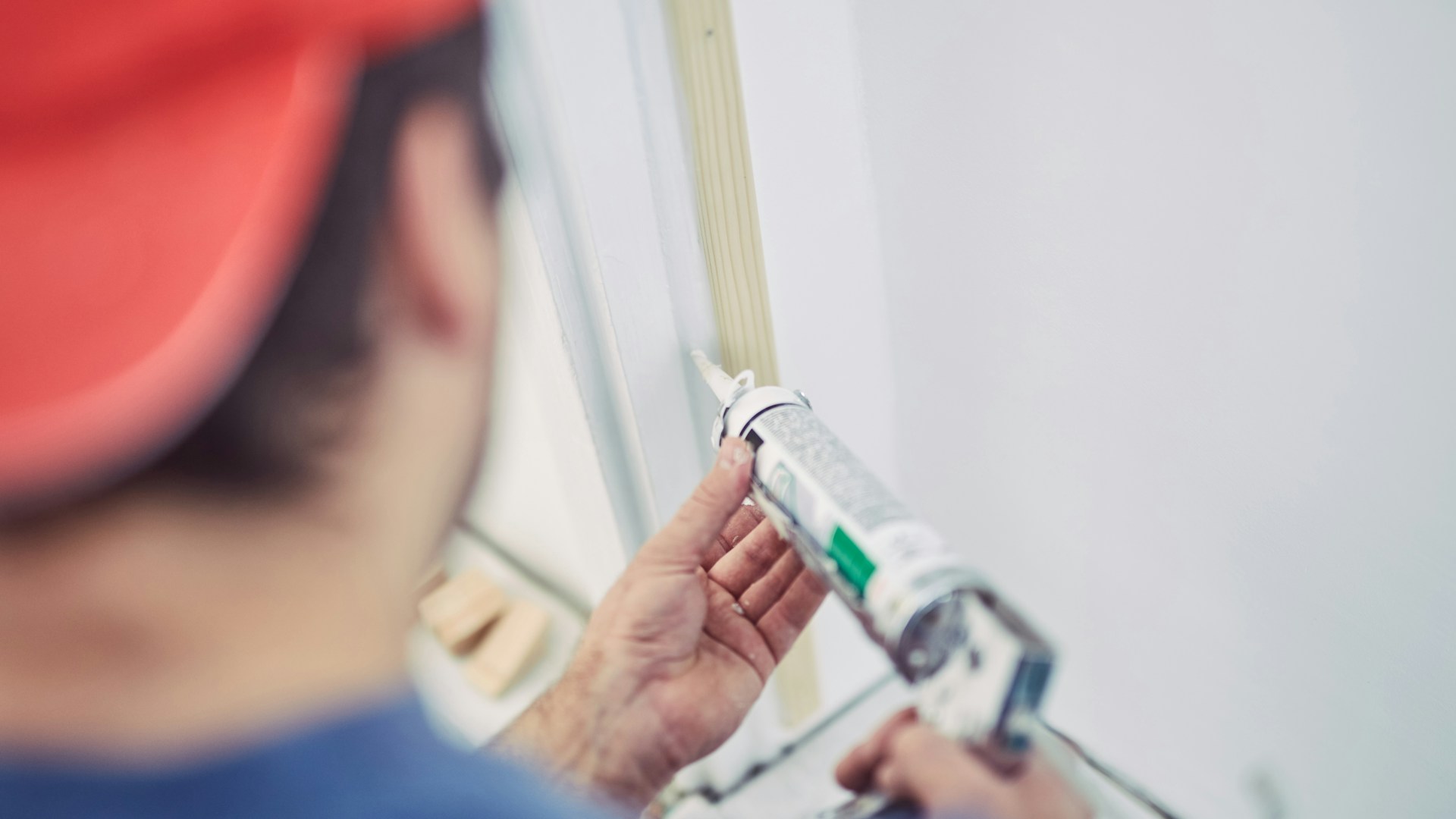
We often use silicone where a long-lasting, water resistant seal is needed, on roofs, joints, façades, and window frames. It’s well known for holding tight under moisture and staying flexible when the building moves. But conditions during spring rains can really test those features. As we head into another busy season, now is a good time to look at how silicone performs when the skies do not cooperate.
Why Spring Rain Matters for Outdoor Sealing Jobs
Rain in spring can be tricky. It doesn’t always come in hard storms. More often, it’s the stop-start kind, light showers before lunch, damp winds in the afternoon, and dry spells that do not last quite long enough. These patterns affect how we work, especially when sealing gaps on the exterior of a building.
Here is what we often deal with:
- Surfaces that look dry but still hold moisture under the surface
- Reduced curing time if rain starts during or just after application
- Swings in surface temperature from morning shadow to late sunshine
In Belgium, that kind of weather is common from late March through May. It stretches out timelines and makes planning day-to-day jobs more of a juggling act. We don’t just need a sealant that can stick in light dampness. We need something that flexes with sudden changes and doesn’t break down the first time a rain cloud rolls in. That’s where performance under pressure counts.
What Makes Silicone Suitable for Wet Weather
Silicone tends to be our go-to when faced with uncertain weather. Its resistance to moisture and temperature changes gives us some breathing room during unpredictable weeks. It doesn’t soak up water or crack just because the day turns chilly.
Compared to other products, silicone often:
- Holds its bond even after repeated rain exposure
- Handles slight movement in joints without splitting
- Cures well in cooler air, so it sets steadily even when it’s not warm
Of course, applying it on a soaked surface isn’t ideal, but it tolerates damp conditions better than a lot of options. If the area is sound and relatively dry, a silicone bead can often stay stable even if rain returns sooner than expected.
Many building professionals turn to VDB Adhesives for their range of silicone sealants, which are specifically formulated to provide lasting bonds and superior water resistance for critical exterior projects. Our silicone sealants are designed for reliable adhesion to substrates including glass, uPVC, brick, and metal, and will maintain their integrity even during fluctuating spring weather.
Key Spots Where Silicone Works Best in Rain-Prone Settings
We often reach for silicone on jobs that stay exposed. Rain-driven areas need more than just a decent bond. They need staying power. Some common places we use silicone include:
- Expansion joints on flat or pitched roofs
- Façade lines where wind can force moisture into weak points
- Gaps around window trims or edge seals where materials meet at odd angles
- Seams in metal or uPVC where pooling or water tracking is likely
These are parts of a building that often deal with pressure changes, movement, and loads of moisture. Using a water resistant silicone here helps us avoid having to return for early repairs. It grips a wide range of materials too, so we aren’t swapping tubes from wall to roof.
Application Tips for Wet-Weather Performance
Even with a quality sealant, the way we apply it can make or break the result. Damp projects do better when we follow the same prep every time.
We start with:
- Clearing the joint thoroughly, any salt, dust, or grime from winter needs to go
- Waiting for a dry patch, even a few hours can help a bead set properly
- Using a steady, continuous application with no gaps or overloads
In some cases, if the surface is porous or already partly exposed to moisture, a primer might be needed. That depends on the materials and how long the gap has been open. What matters most is not rushing just to beat the rain. If the sky looks like it is turning again, it is usually worth holding off and waiting for better conditions instead of laying down a half-dry line.
Building in Resilience with the Right Material Choice
Sealing in spring often comes down to picking the right product before problems show up. We have all seen seals peel back, split open, or float up after just a few showers. That usually points to poor compatibility or wrong timing. Starting with the correct material, like a reliable silicone sealant for waterproofing, helps us get ahead of those returns.
We are not just thinking about today’s seal. We are thinking about how it will stand up in two months, when temperatures rise and buildings start expanding again. With spring jobs already stacking up, choosing something that handles wet and shifting conditions can save us a few revisits.
When we prep well, apply carefully, and use a product made for outdoor spring work, our jobs hold stronger. Even when the forecast keeps changing.
At VDB Adhesives, we understand how unpredictable spring work on site can be, particularly when the weather is changeable. That is why we offer solutions that adapt to moisture fluctuations, surface variations, and outdoor exposure. When planning for exterior joints or aiming to strengthen weather-facing gaps, it makes sense to choose products designed for variable conditions. For information about our approach to using a silicone sealant for waterproofing in challenging environments and why it is a trusted choice, contact us for expert guidance in selecting the right option for your next project.