English
  Nederlands
  Français
  Deutsch
Stop Costly Facade Failures Before They Start
Sealant bond failure on a facade is not just an ugly crack in a joint. It can mean water sneaking behind cladding, staining on stone or metal, drafts around windows, and long, messy repair jobs. Once moisture gets into the envelope, it can travel a long way before anyone notices.
That is why the sealant choice, and how it is used, matters so much. Hybrid polymer sealant systems are now widely chosen for facades instead of many traditional silicones or polyurethanes. They bring strong adhesion, flexibility, and weather resistance together in one product family that works across many substrates.
In this article, we focus on how to avoid bond failures when using hybrid polymer sealant on facades. We will look at why joints fail, what makes hybrids special, and the design and installation habits that help keep those joints sound for the long term.
Why Facade Joints Fail Even with “Good” Products
When a joint fails, people often blame the sealant first. In our experience with construction and industrial projects, the real cause is usually a mix of design, product choice, and conditions on site.
Common technical reasons for failure include:
- Poor or no surface preparation
- Wrong joint width or depth
- Ignoring actual movement in the facade
- Substrates that are not compatible with the sealant
If dust, formwork oil, curing compounds, or loose paint sit on the surface, the sealant bonds to that weak layer instead of to the real substrate. When the building moves, that weak layer can peel off and the joint opens.
Then there are the stresses a facade sees all year round. External walls are hit by:
- UV radiation from sunlight
- Big temperature swings from hot summer days to freezing winter nights
- Wind pressure and suction on high or exposed buildings
- Building movement from live loads and settlement
- Moisture, from rain, washing, and condensation
A product can look great in a data sheet but still fail if it is forced to handle more movement than it was designed for, or if it is used on a surface it was never meant to touch. Bond failure usually starts when one of these factors is overlooked in design or installation, not because the chemistry itself is “bad”.
Understanding Hybrid Polymer Sealant Performance on Facades
Hybrid polymer sealant blends properties that people usually connect to silicones and polyurethanes, but in a single technology. In practice, this means strong adhesion on many materials, high elasticity, and durable performance in changing weather.
Compared with pure silicones or polyurethanes, hybrids typically offer:
- Very good adhesion on concrete, masonry, metals, coated panels, and some plastics
- High movement capability with strong elastic recovery
- Low shrinkage during curing
- Good UV and weather resistance
For facades, some features stand out in day-to-day work. Low modulus versions help absorb large joint movement with less stress on the bond line. Non-staining behavior is important on natural stone so you do not end up with dark edges or oily marks around the joint. Stable color and surface appearance matter on visible lines between panels or around windows.
Another reason hybrids are popular on building envelopes is compatibility. Many of them bond well on common construction surfaces without heavy primer systems, and they have lower risk of discoloring sensitive substrates. This does not mean primers are never needed, but it can simplify the system when design and testing are done correctly.
Designing Facade Joints to Prevent Bond Failure
Good sealant performance starts long before anyone opens a cartridge. Joint design is the base. If the joint is too narrow or too deep, or sticks to three sides instead of two, even the best hybrid polymer sealant will be stressed in the wrong way.
Sound joint design usually includes:
- Correct width to depth ratio, often around 2:1 as a starting rule
- Use of a proper backing rod to control depth
- True two-sided adhesion so the sealant can stretch in the middle
Facade work brings its own details. Vertical expansion joints between large wall panels must handle panel movement plus thermal changes. Perimeter joints around windows and doors must stay tight as frames expand and contract at different rates than the surrounding wall. Transitions between dissimilar materials like aluminum and concrete can see different temperature behavior and stiffness on each side of the joint.
Early coordination between architects, facade engineers, and sealant specialists helps a lot. When we talk together at the design stage about expected movement, temperature ranges, building height, and planned life of the facade, we can recommend joint dimensions and specific hybrid grades that match those needs.
Best Practices for Applying Hybrid Polymer Sealants on Facades
Even the best design and the right hybrid polymer sealant can fail if application on site is rushed or done in poor conditions. A simple, disciplined process makes a real difference.
Key steps usually include:
- Assess the substrate for soundness, cleanliness, and compatibility
- Clean and degrease using appropriate methods for each material
- Check moisture levels, especially on concrete or masonry
- Apply primer where testing or instructions show it is needed
- Install the correct size backing rod and mask edges if needed
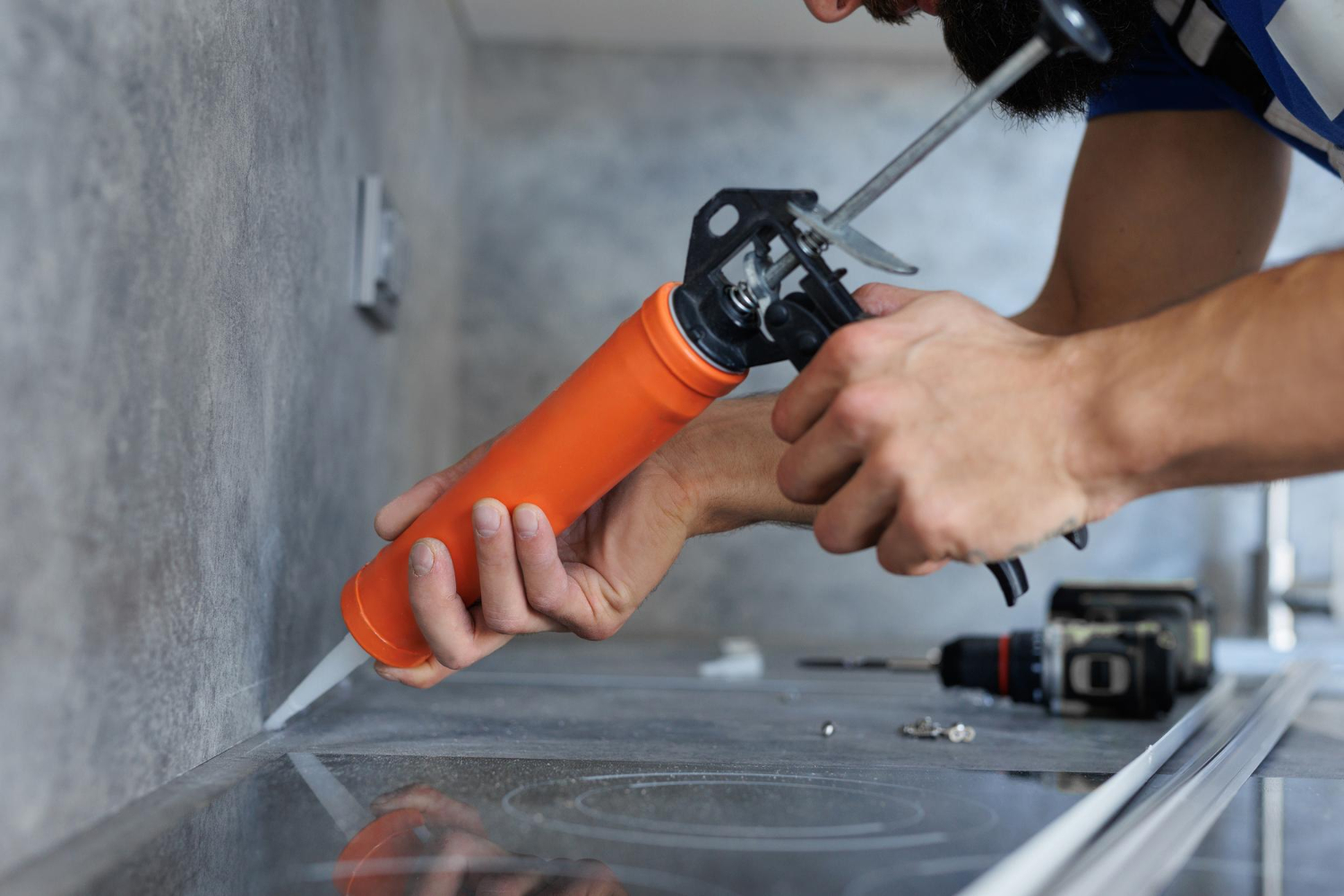
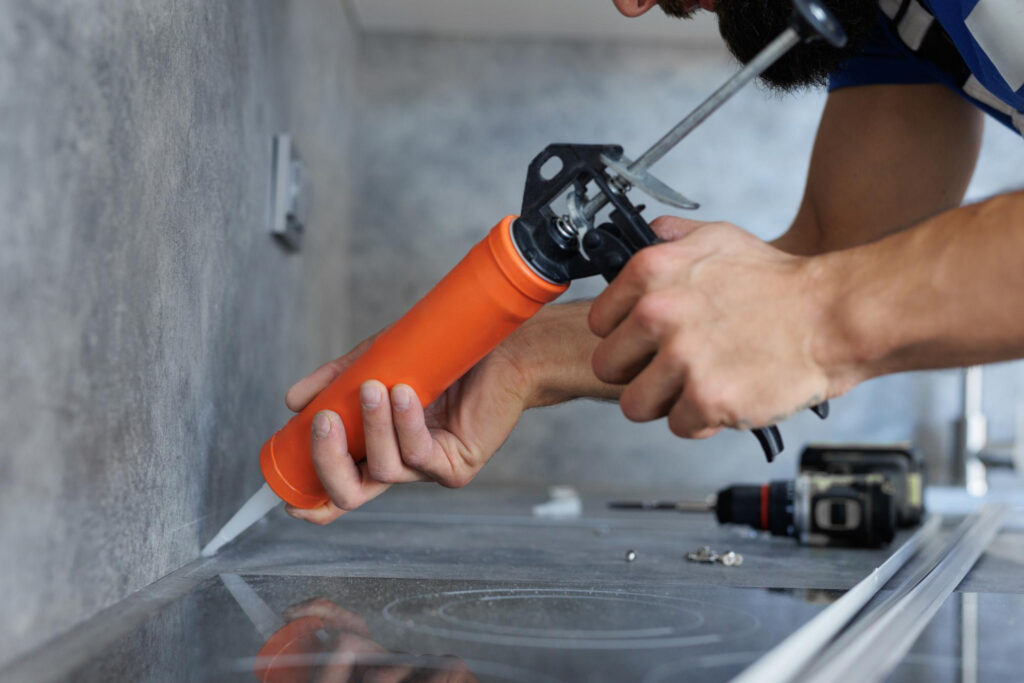
- Gun the hybrid polymer sealant carefully, avoiding air pockets
- Tool the joint to press the sealant into the sides and create a smooth surface
On site, we often see the same mistakes:
- Applying over dust, laitance, or curing agents
- Sealing damp, frozen, or very hot substrates
- Ignoring the specified joint dimensions
- Working outside the allowed temperature range
Quality control is not just for labs. On real projects, it can mean simple adhesion tests on small mock-ups, checking batch numbers and shelf life, noting temperature and weather at the time of application, and training crews on the specific hybrid product they are using. A little structure here can prevent big problems later.
Ensuring Long-Term Facade Durability with Hybrid Sealant Systems
Hybrid polymer sealant joints are a small part of a facade by volume, but they play a big role in its service life. Good joints support watertight performance, energy control, and the overall look of the building. Poor ones can shorten the service life of the envelope and lead to repeated repair cycles.
Ongoing care is part of a smart strategy. Periodic checks help catch early warning signs such as:
- Hairline cracking or brittle surfaces
- Loss of adhesion at one or both sides
- Excessive dirt pickup or staining
- Local damage from cleaning or impact
Inspections after major storms or extreme temperature swings can also be helpful, especially on exposed elevations.
At VDB Adhesives, we work with facade teams to match the right hybrid polymer sealant to the right system and conditions. Project-specific technical advice and testing support can reduce the risk of bond failure and help keep facades durable, tight, and good looking for many years.
Upgrade Your Sealing Performance With Proven Expertise
If you are ready to improve durability and efficiency in your applications, our hybrid polymer sealant solutions are engineered to meet demanding performance requirements. At VDB Adhesives, we work closely with you to identify the right product and support your production goals from testing through implementation. Tell us about your project and we will help you determine the best path forward, or contact us to speak directly with our team.