 English
 Nederlands
 Français
 Deutsch

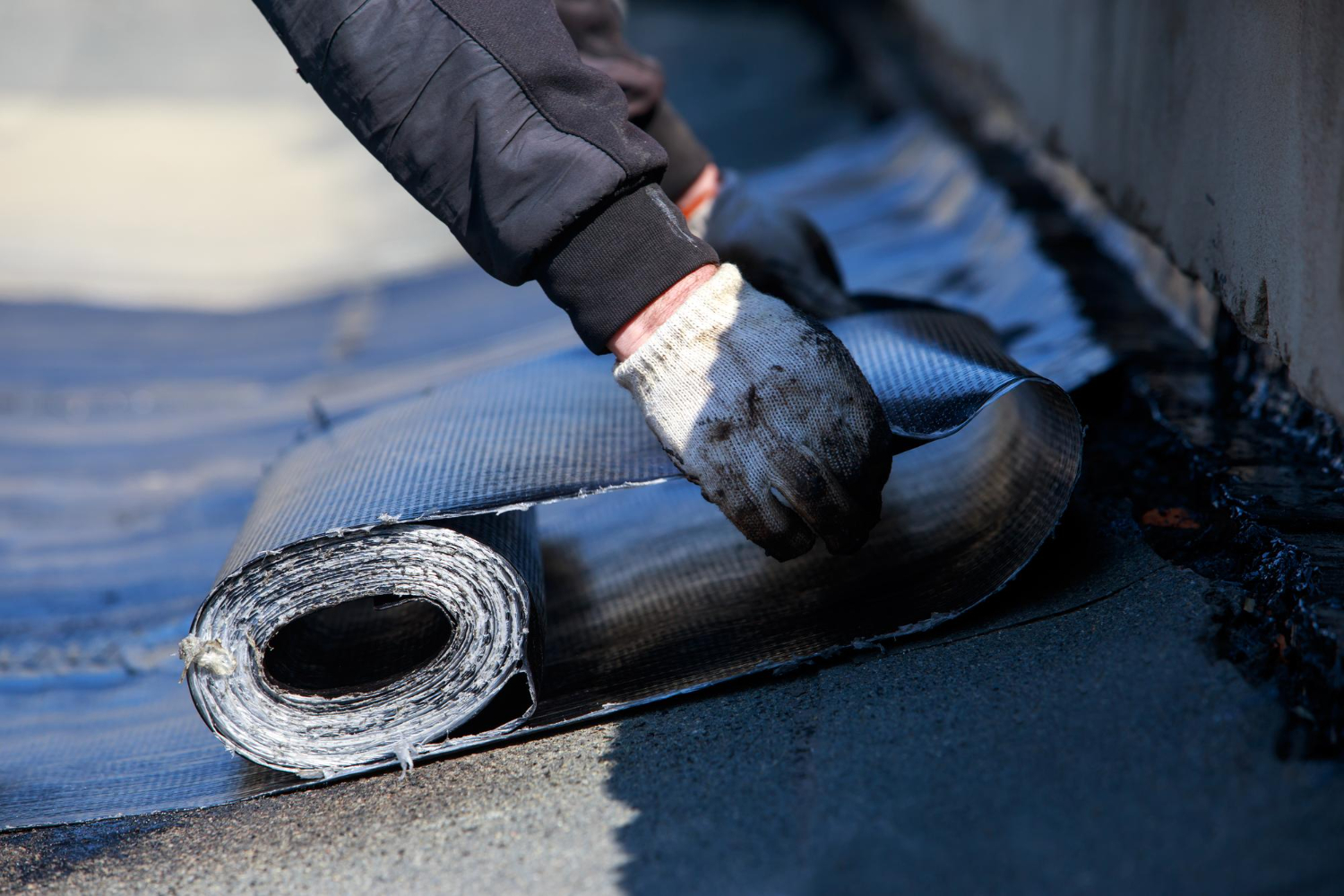
Getting EPDM Membrane Adhesive Coverage and Application Right
Reliable EPDM waterproofing rarely fails because the wrong membrane went down. Far more often, it comes down to how much adhesive was applied, how it was applied, and whether the seam method matched the site’s time and budget. Getting these decisions right is what separates a roof that performs for decades from one that needs early intervention.
For contractors and specifiers, coverage rates and application method are not just installation details, they are cost and programme decisions. Under-apply adhesive and you risk delamination or wind uplift failure. Over-apply it and you waste material and labour hours on every job. Choosing the wrong application method for the site conditions can also slow a crew down or leave inconsistent bond strength across the roof. This guide focuses on the practical side of getting EPDM membrane adhesive down correctly: how much to use, which application method fits the job, and how adhesive-bonded seams compare with taped or mechanically fixed alternatives on cost and labour.
How Much EPDM Membrane Adhesive Do You Need Per m²?
There is no single figure that applies to every roof. Coverage rate depends on several factors that should be confirmed against the specific product’s technical data sheet before ordering material or pricing a job:
- Substrate type and porosity, since absorbent surfaces such as timber or certain insulation boards can draw in more adhesive than a smooth, dense deck
- Whether the specification calls for full bond, partial bond, or perimeter and detail bonding only
- Adhesive format, since contact adhesives, spray-applied systems, and trowel-applied products are typically rated in different units and coverage ranges
- Ambient temperature and humidity on the day, which affect how far a given volume of adhesive spreads before it starts to skin
- Realistic wastage allowance for cutting, laps, and any rework
As a working principle, it is safer to calculate material quantities from the manufacturer’s stated coverage range for the specific product and substrate combination, then add a wastage margin, rather than relying on a rule of thumb carried over from a different job. Ordering slightly more than the calculated minimum is usually cheaper than a mid-installation delay caused by running out mid-roll.
Roller, Spray, or Trowel: Choosing an Application Method
The three most common application methods each suit different site conditions, crew sizes, and budgets.
Roller application
- Gives the installer the most control over where adhesive goes, which helps on smaller runs, repairs, or tie-ins to existing work
- Tends to be slower per square metre than spray, so labour cost per m² is generally higher on large open areas
- Requires less specialist equipment, which keeps upfront costs down for smaller contractors
Spray application
- Covers large, open field areas quickly, which can meaningfully reduce labour hours on bigger roofs
- Needs suitable spray equipment, trained operators, and attention to overspray control and ventilation
- Consistency depends on operator technique and equipment calibration, so coverage checks matter more than with roller work
Trowel application
- Common with certain full-bond or ribbon-applied adhesives, using a notched trowel to control adhesive ridge height and coverage
- Gives a visibly measurable coverage pattern, which can help with quality checks
- Generally slower than spray but can be more consistent than roller work on some product types
Matching the method to the job usually comes down to roof size, crew skill set, available equipment, and how much control the specification demands. A large, open commercial roof may favour spray for speed, while a smaller job or a crew without spray equipment may be better served by roller or trowel application.
Adhesive-Bonded Seams vs Taped and Mechanically Fixed EPDM: Cost and Labour Tradeoffs
Beyond field adhesive, the seam and attachment method is a separate cost and labour decision.
Adhesive-bonded systems
- Bond the membrane directly to the substrate across the field, which can reduce the number of mechanical penetrations through the roof build-up
- Require more adhesive material and more careful, methodical application, which typically means more labour hours per m² than a mechanically fixed system
- Depend on correct coverage and cure conditions, so quality control during application has a direct effect on long-term performance
- Can offer strong resistance to wind uplift without relying on a dense pattern of fasteners
Taped and mechanically fixed systems
- Fasten the membrane at intervals and use tape or a sealed lap at the seams rather than adhering the full field
- Generally install faster across large open areas, since less adhesive needs to be applied and cured
- Involve material costs for fasteners, plates, and seam tape, which should be weighed against the adhesive saved
- Introduce fixing points through the membrane and deck, so deck condition and fastener pull-out values need checking at the design stage
Neither approach is universally cheaper. Adhesive-bonded systems tend to cost more in labour and material upfront but reduce deck penetrations and can simplify some detailing. Mechanically fixed and taped systems often move faster on large, straightforward field areas but add fastener costs and deck compatibility requirements. The right choice usually comes down to roof size, deck type, programme pressure, and the specification’s requirements for wind uplift and long-term maintenance.
Getting Consistent Coverage on Site
Whichever method is used, a few habits help keep coverage rates on target across the whole job:
- Check actual coverage against the target rate early in the day, not only at the end, so drift can be corrected before it affects a large area
- Keep application equipment calibrated and cleaned, since worn rollers, blocked spray tips, or inconsistent trowel notching all affect coverage
- Track material used against area covered as the job progresses, rather than estimating at the end
- Respect the product’s stated flash-off or open time, since rushing this step is one of the most common causes of weak bonds
These checks are simple, but they are what turns a specified coverage rate into an actual, reliable bond across the finished roof.
A specialist partner with long experience in adhesives for construction and industry can help specifiers and contractors work through these choices for a specific project. At VDB Adhesives, we bring our background in sealants, adhesives, PU foams, and related technologies to support reliable roof envelope performance, whether for branded systems or private label solutions built around EPDM membrane adhesive.
Get Started With Your Project Today
If you are planning a new flat roof or upgrading an existing installation, our EPDM membrane adhesive is designed to give you reliable, long-lasting performance. At VDB Adhesives, we work closely with contractors and specifiers to match coverage rates, application method, and seam type to each project’s budget and programme. Browse our EPDM roofing adhesive products or contact us for tailored technical guidance.

