English
 Nederlands
 Français
 Deutsch

Fire Safety Myths That Put New Builds at Risk
Fire-resistant sealants sit in some of the quietest parts of a building, but they carry a lot of responsibility. In modern builds with tight envelopes, complex services, and many different materials, small gaps around joints and penetrations can quickly become weak spots when fire hits. If the wrong products are used, or the right products are installed the wrong way, the whole fire strategy can fall apart.
Misunderstandings on site are common. People grab whatever looks “fire rated” on the shelf and hope the label will satisfy inspectors. But fire protection does not work that way. When fire-resistant sealants are chosen or installed based on myths, compartmentation can fail, inspections can stall, and liability can land hard on project teams. Here, we want to clear up the biggest misconceptions and share practical guidance so specifiers, contractors, and distributors can make safer, more confident choices.
Why Fire-Resistant Sealants Are Not All the Same
One of the biggest mistakes we see is treating all “fire” products as if they do the same job. The terms sound similar, but they do not mean the same thing.
You will often hear three words on site:
- Fire-resistant sealants, designed to help maintain fire integrity and smoke control in tested joint and penetration systems
- Fire-retardant sealants, which can slow flame spread but are not always part of a tested firestop system
- Intumescent sealants, which swell when heated and help close gaps around services like pipes and cables
Each type has its place in modern builds. For example, fire-resistant and intumescent products are common around service penetrations, curtain wall perimeters, and movement joints. Fire-retardant products might be used where improved reaction to fire is needed but not as a full firestop system. Treating all of them as interchangeable is risky.
The base chemistry also matters. Common options include:
- Silicone sealants, flexible, good for movement, often used on façades and expansion joints
- Hybrid sealants, combining elasticity with strong adhesion to many substrates
- PU-based solutions, with different curing and performance behavior under high temperatures
Under fire exposure, these chemistries do not behave the same way. Some move better, some seal smoke more tightly, some hold up longer at high temperatures. The “best” sealant is the one that matches the joint design, substrate, expected movement, and exposure conditions, not just the rating on the tube. A façade joint in a tall building in windy, rainy European weather might need a different system than a cable penetration inside a plant room.
Debunking Common Myths About Fire Ratings
There is a lot of faith placed in a single number on the label, like “2 hours.” That number is important, but it does not tell the whole story.
One common misconception is that a 2-hour fire rating is always enough. In reality, fire ratings apply to a specific tested configuration. This includes:
- Joint width and depth
- Backing material type and size
- Orientation, wall or floor
- Substrate type and thickness
Change one of those details and the original rating may no longer apply. A joint that passed a 2-hour test in a narrow, vertical setup might not achieve the same performance in a wider, horizontal floor joint.
Another myth is that any fire-rated sealant will pass inspection. Inspectors and fire engineers look for alignment with test reports or approvals, such as EN- or ETA-based documents. They will expect:
- Correct joint dimensions
- Approved backer rods and fillers
- Proper surface preparation
- Installation that follows the technical data sheet
If those are off, the inspector can ask for rework, even if the product itself is tested.
A third misconception is “once tested, always compliant.” Standards such as EN 1366 and EN 15651 evolve. Test methods, classifications, and documentation requirements can change. Using an old report or generic certificate that does not reflect current expectations can lead to headaches on newer projects. Up-to-date documentation and advice from the manufacturer are key.
Installation Shortcuts That Destroy Fire Performance
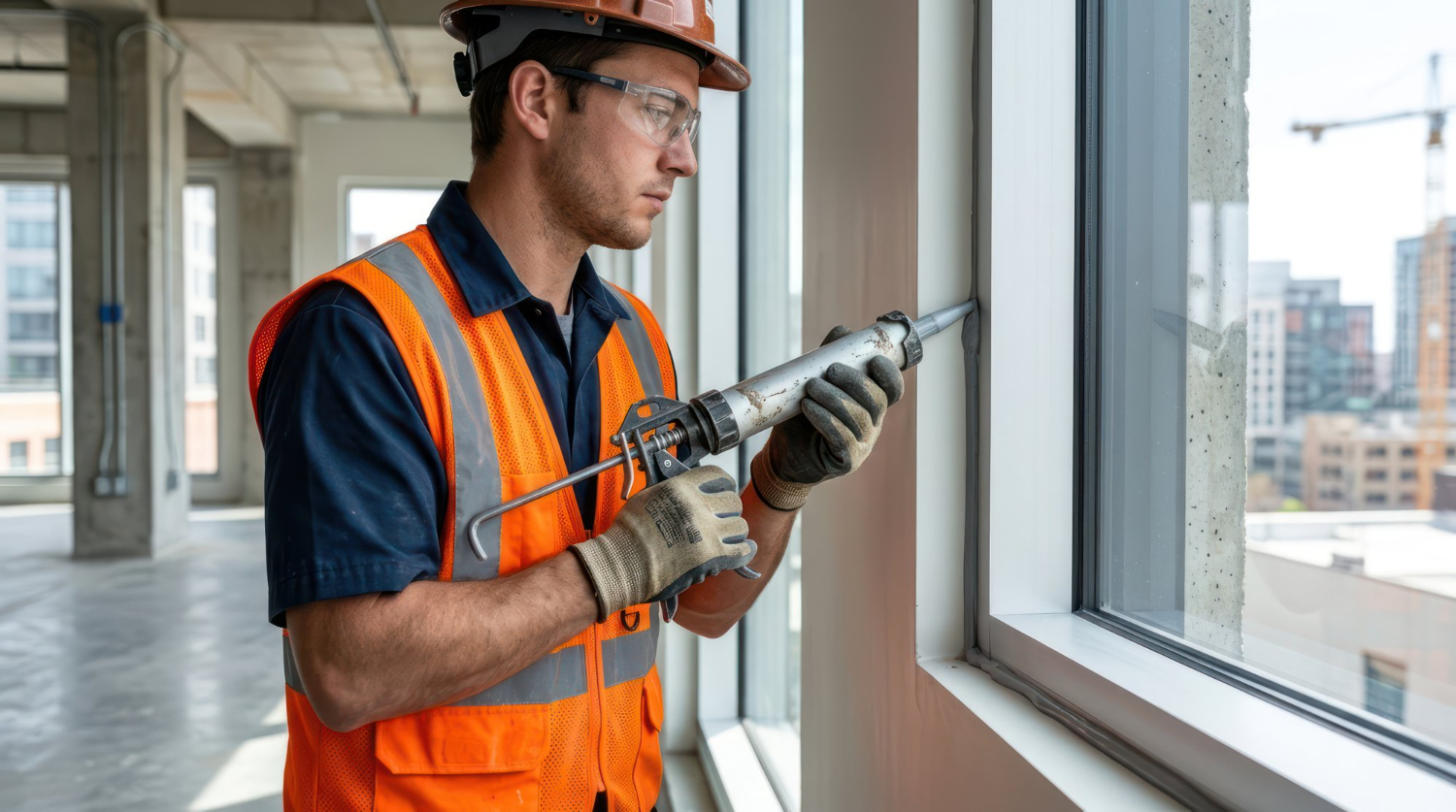
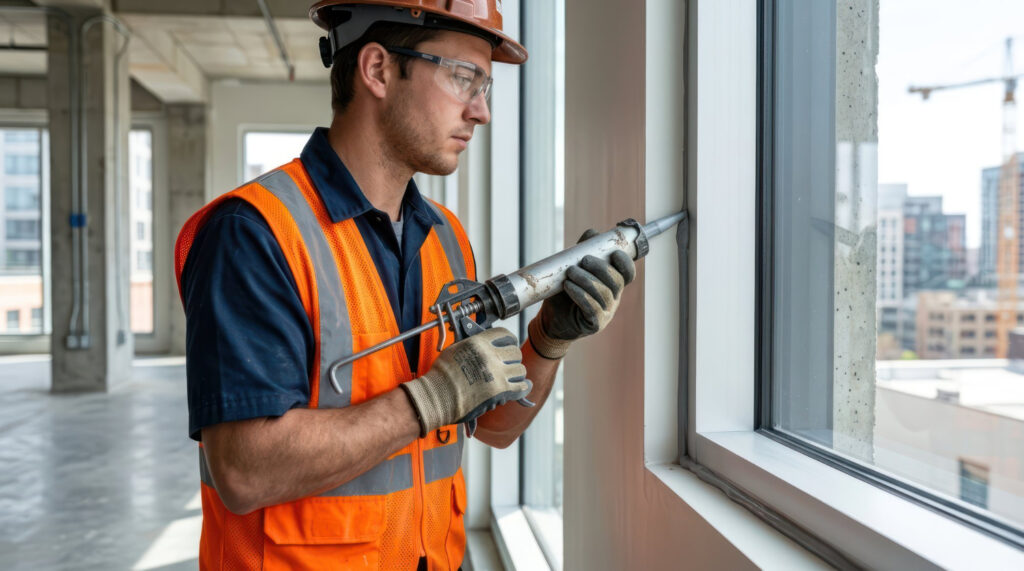
Even the best fire-resistant sealant cannot fix poor installation. Shortcuts taken to save time can erase the value of a tested system.
Surface preparation is often underestimated. When substrates are dusty, oily, damp, or not primed as required, adhesion can suffer. In a fire, weak adhesion can mean:
- Early cracking of the sealant
- Gaps opening for hot gases and smoke
- Faster spread from one compartment to another
Joint design issues are just as serious. Problems appear when teams:
- Oversize or undersize joints compared with the tested detail
- Skip backer rods altogether
- Use random fillers that were never part of the test
These changes might look small, but they change the geometry and behavior of the joint when heated.
Time and temperature are also easy to overlook. Applying fire-resistant sealants at very low or very high ambient temperatures, rushing the curing time, or painting too soon can all hurt performance. In many European climates, with cold winters and humid periods, these points are especially important. Following the manufacturer’s guidance on application conditions protects the final result.
Compliance, Documentation, and Liability in Modern Builds
Fire-resistant sealing is not just a technical issue; it is also a documentation and responsibility issue. When questions come up later, project teams need proof that the right systems were chosen and installed correctly.
Good documentation often includes:
- Product data sheets and safety data sheets
- Declarations of performance
- Test reports or assessments that match the project details
- Installation records, photos, and as-built drawings
Keeping these together for each building area makes future inspections and maintenance much easier.
Coordinating across trades is just as important as choosing products. Mechanical, electrical, drywall, and façade teams all contribute to the final firestopping picture. Without clear agreements about who seals what, gaps can appear around penetrations and joints. A small missed hole can undo a lot of careful work elsewhere.
There can also be legal and insurance effects. If a fire incident or audit shows that unapproved products were used, or that tested systems were not followed, claims and remedial work may follow. Getting it right the first time is far less painful than trying to fix non-compliant work after handover.
Choosing Trusted Fire-Resistant Solutions for Long-Term Safety
With so many products on the market, choosing fire-resistant sealants can feel confusing. Focusing only on labels and hour ratings is not enough. The reliability of the supplier behind the product matters just as much.
When evaluating options, it helps to look for:
- A clear testing history and documented systems
- Access to technical support for specific details
- Guidance on compatibility with other materials
- Experience with both construction and industrial applications
It is also smart to look beyond a single product and think in terms of systems. Façade joints, expansion joints, and service penetrations often need different sealant chemistries and accessories. Matching each area with a tested solution, and then standardizing those solutions across the project, can simplify training, installation, and inspection.
At VDB Adhesives, we have focused on professional sealants, adhesives, PU foams, and related products for many years, supplying contractors and distributors across Europe. We see every day how good planning, clear documentation, and the right fire-resistant sealants work together to protect both people in the building and the reputation of the project team long after the last tube is used.
Protect Your Building With Proven Fire-Resistant Sealant Solutions
If you are ready to upgrade your project’s safety and compliance, we can help you choose the right fire-resistant sealants for each critical joint and detail. At VDB Adhesives, we work closely with professionals to match product performance to real-world jobsite conditions. Tell us about your application and code requirements, and we will recommend a reliable, buildable solution that fits your schedule. For tailored support or project-specific questions, simply contact us and our team will respond promptly.