 English
  Nederlands
  Français
  Deutsch
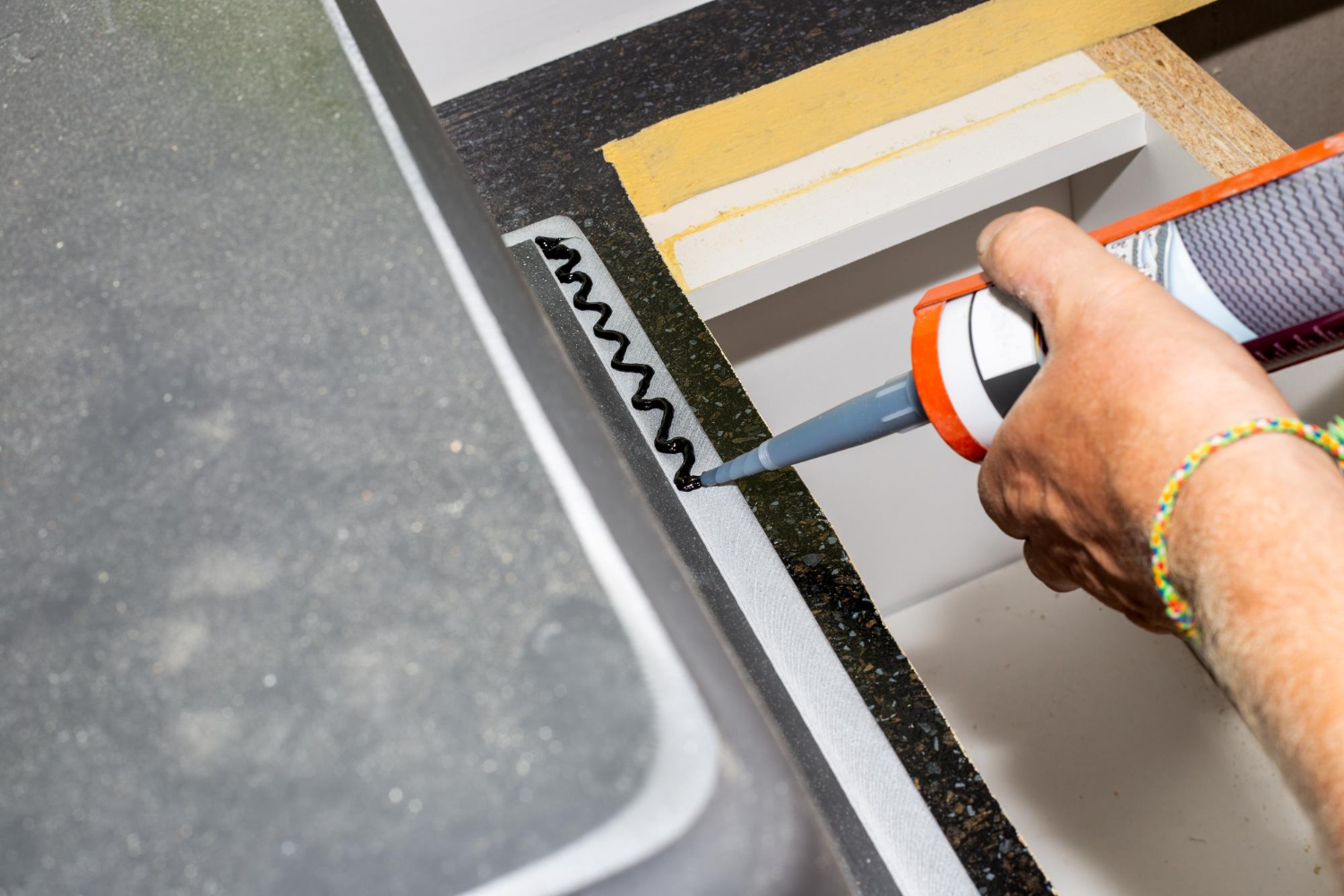
As autumn kicks in, the way we build and renovate shifts with the season. Colder air settles in, and indoor spaces start relying more on heating, which changes how materials perform on site. With damp weather creeping through building envelopes and condensation starting to show up in all the usual spots, extra care is needed to finish jobs safely. One product that’s especially worth thinking about as the leaves start to fall is a fire retardant sealant.
During colder builds, fire risks tend to grow. We’re working in more enclosed spaces, using electric tools for longer stretches and sealing up air gaps to prep for winter. These are the sorts of jobsite changes that make this type of sealant more than just a safety bonus. It’s a smart move for keeping autumn builds in Belgium safe, steady, and ready for the colder months ahead.
Autumn’s Buildup of Fire Risks on Construction Sites
As we close doors and turn up heaters, the chance of something overheating or catching flame starts to rise. It’s not just tools and fittings that change things. The whole setup of an autumn build brings new risks with it.
• Heating systems come into play again after months of sitting unused. Whether it’s fan units, boilers, or heat pumps, these bring warm air and potential heat buildup near joints, cables, and gaps in walls.
• Most trades will now be working in spaces with less open airflow. Framing out interior walls or finishing lofts means heat doesn’t escape as fast, and ventilation drops off. Add in electric saws or lights running for hours, and you’ve got a warm, enclosed space where risk creeps in.
• Materials stored or installed during colder months shift in behaviour. Timber dries out quicker under heaters, and foam insulation becomes a fast flame spreader without something to slow it down.
We can’t avoid working through autumn, but we can pick the right products to help us adapt. Fire protection needs to keep up with the season, just like everything else on site.
What Fire Retardant Sealant Actually Does
When it comes to fires, every second matters. A fire retardant sealant doesn’t stop a blaze from starting, but it can slow it down. That gives people time to react and can make all the difference in a fast-moving situation.
• It blocks fire from slipping through a gap or crack by forming a barrier that resists heat. These seals can hold back flames or high temperatures for long enough to contain damage or help reduce spread.
• Some parts of a building act like shortcuts for fire. Think about small gaps between floors, service ducts, or cables that run through multiple rooms. A proper sealant fills these voids and keeps fire from travelling unseen.
• Autumn builds often involve adding more insulation, boarding, or wall finishes. These jobs mean more transitions between materials, which is where stress and movement show up when temperatures drop. Sealants built to handle seasonal shifts won’t crack, crumble, or give out early.
Using a fire retardant sealant isn’t just meeting a code or ticking a box. It’s taking care of the spaces we’re closing up for winter. And it keeps us, and future occupants, better protected from avoidable risk.
Choosing Fire Retardant Products That Work With Autumn Materials
Not all materials play nice once the cold and damp settle in. You can line things up perfectly only to see expansion gaps throw it all off weeks later. That’s where a good sealant fits in, it moves, settles, and matches the build without losing its hold.
• Autumn projects involve common building products like plasterboard, insulation panels, wood frames, and metal trunking. Fire retardant sealants need to bond well with these to hold their shape and purpose.
• Moisture levels rise fast around this time of year. Whether it’s a misty morning or a floor slab still drying, surfaces can be cooler or slightly damp. Some sealants don’t like that, but there are ones rated for seasonal jobs like these.
• Sheds, houses, schools, it doesn’t matter the size. The drop in night-time temps creates new movement in materials. Window gaps spread a little more, and roof areas shrink. You need a flexible sealant that doesn’t lose fire resistance when the structure shifts.
Even under the best planning, some movement and shifting is bound to happen as outdoor temperatures fall. Picking sealants that allow for this keeps each joint tight and safe, without causing extra stress on fragile finishes. Making those smart choices early means we don’t have to revisit joints in February when frost has caused another shift. We solve it now while the build is open.
Areas Where Fire Sealants Work Best in Autumn Projects
We don’t need to apply fire-resistant materials everywhere, but there are a few spots that tend to pop up this time of year that could benefit from extra care.
• Service routes, like places where pipes or electric cables pass through walls or floors, can be high-risk zones. Sparks, heat, or small electric faults can go unnoticed until something spreads. These are top spots for fire-proofing.
• Projects inside multi-occupancy buildings are common alongside school refurbishments, hospital upgrades, or shared housing refits. These all have service gaps and hollow walls shared across units. Sealing them properly adds a solid layer of safety for everyone inside.
• Heated lofts and attic spaces may feel like an afterthought in the wider build, but they sit close to heat pipes and are often stuffed with insulation. Applying a fire retardant sealant here helps that whole zone act as a slower burn path if trouble starts.
Any time we’re finishing rooms or closing up gaps for winter, it’s worth stopping to ask, does this joint need added fire protection? If the answer’s yes, now’s the time to do it, before the space is painted over or covered by fit-outs.
Some spots will move more than others. Gaps around piping or metal frame work can widen a bit under heat, while timber trims can swell if conditions happen to be damp. A good fire retardant sealant keeps these joints secure and resists pulling away even if the material underneath changes slightly with the season shifting.
Maximising Safety and Reliability for Professional Builds
Selecting the right fire retardant sealant can make all the difference for teams working through fluctuating autumn temperatures and high humidity. We offer a comprehensive selection of fire-resistant silicones and acrylics, trusted by construction professionals across Europe for their compatibility with a wide variety of substrates, including porous and non-porous surfaces. Products such as our fire-resistant silicones are tested to stringent European fire standards. This ensures safety without sacrificing performance, even when joints encounter increased seasonal movement.
We are committed to providing not only advanced product quality but also responsive, expert support throughout your project. With more than 45 years’ experience, we deliver guidance and technical data to help professionals select optimal solutions for every joint, duct, or transition at autumn building sites.
At VDB Adhesives, we’re committed to making building safer throughout the changing seasons. When your autumn projects involve sealed lofts, ducting gaps, or preparing interior spaces for winter, it’s the perfect time to consider products that help slow flame spread. A well-chosen fire retardant sealant offers reliable, discreet protection where it matters most. We’re ready to support you in selecting the best solution for your upcoming build, reach out to discuss your options.

