English
  Nederlands
  Français
  Deutsch
Get a Reliable EPDM Bond That Actually Stays Put
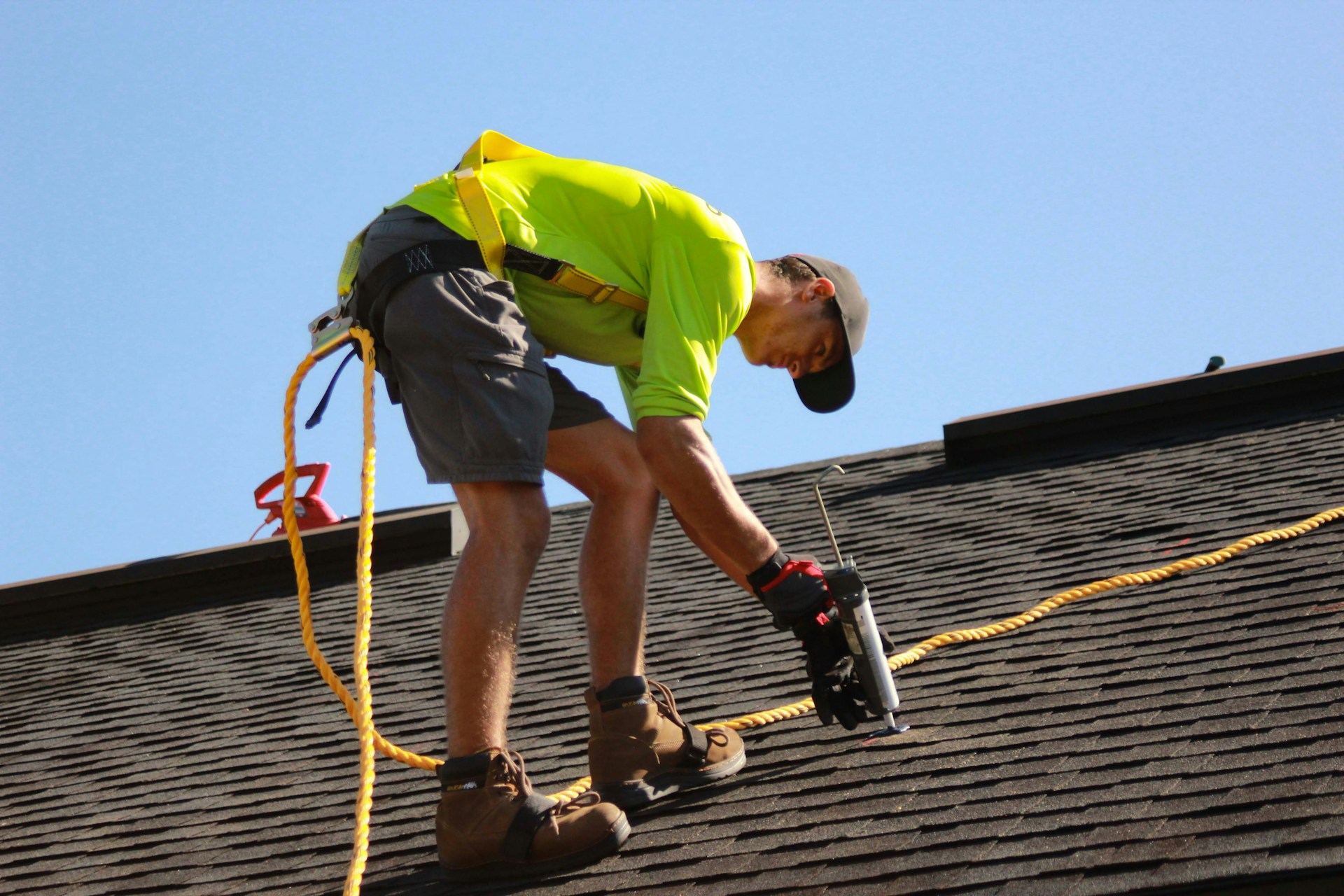
A watertight EPDM roof lives or dies by the quality of the bond. If the membrane peels, lifts, or blisters, you are dealing with leaks, callbacks, and frustrated clients instead of finishing the next project. A reliable EPDM roofing adhesive is not just another product on the material list; it is part of the roof system that protects the entire building below.
EPDM roofing membrane is a synthetic rubber sheet commonly used on flat and low-slope commercial and residential roofs. It is popular because it is durable, flexible, and relatively straightforward to install, as long as the adhesive work is done correctly. In practice, that comes down to choosing the right EPDM membrane adhesive, preparing the surface properly, and applying it with care.
There are two main approaches to bonding EPDM: contact adhesive and bonding adhesive. Each has a clear role, and knowing when to use which one keeps your installations cleaner, faster, and more reliable. At VDB Adhesives, we focus on supporting roofing professionals with practical, advanced solutions, including our Seal-it 645 EPDM Spraybond, a sprayable contact adhesive for roofing that is designed to help you create a fast, dependable bond across details, edges, and more complex areas.
Contact Adhesive vs. Bonding Adhesive Explained
Contact adhesive for roofing is applied to both surfaces, usually the underside of the EPDM membrane and the prepared substrate. After application, you allow it to flash off until it is touch-dry but still tacky. When the two coated surfaces meet, they bond immediately, which makes contact adhesive ideal for perimeter edges, upstands, internal and external corners, and vertical or awkward details where sagging is not an option.
Bonding adhesive, on the other hand, is typically applied to the substrate only for larger, open field areas when the deck is compatible. You work within a specified open time, during which the membrane must be laid into the adhesive while it still has the right level of tack. Coverage rates, open time, and suitable substrates vary by product, so the manufacturer’s instructions always lead the way.
Each approach has its strengths. Contact adhesives offer:
- Immediate grab and strong initial tack
- Excellent hold on vertical and sloped details
- Reliability on complex shapes and terminations
Bonding adhesives can offer:
- Smoother laying in large field areas
- Potential material savings on suitable decks
- A more relaxed pace in open zones with fewer details
Seal-it 645 EPDM Spraybond sits in the contact adhesive camp, but with some important differences. As a sprayable contact adhesive for roofing, it is designed to combine speed, even coverage, and a strong long-term bond. Spray application helps you cover edges, corners, and penetrations quickly and consistently, which is where many failures start if the adhesive is not applied properly.
Essential Surface Preparation for a Lasting Bond
Even the highest quality EPDM roofing adhesive will fail on a dirty or damp surface. Skipping surface prep often shows up months later as blisters, bubbles, or delamination that seems to appear for no reason. In reality, the reason was trapped moisture, dust, or contamination that prevented a full bond from the start.
Substrates must be clean, dry, and structurally sound. That means removing dust, loose particles, old adhesive residues, oils, grease, and any standing water. If there is deterioration or movement in the deck, that problem needs to be addressed before you even open the first container of EPDM membrane adhesive.
Different substrates require different levels of attention:
- Concrete: Should be fully cured, dry, and free of laitance. Grinding, sweeping, and vacuuming may be needed.
- Plywood or OSB: Boards should be securely fixed, dry, and smooth, with any raised fasteners addressed and dust removed.
- Existing membranes: Only suitable systems should be overlaid, and they must be firmly bonded and thoroughly cleaned.
- Insulation boards: Check compatibility with the chosen adhesive and follow any recommendations for primers or additional prep.
Climate matters too. Most adhesives need a minimum temperature and do not tolerate condensation, dew, frost, or wet surfaces. EPDM sheets should be allowed to relax on the roof before bonding so they can settle and reduce tension. Cutting corners on these basic steps is one of the fastest paths to callbacks.
Step-by-step Bonding with Contact Adhesive for Roofing
Start with layout and dry-fitting. Position the EPDM on the roof, allow it to relax, and make sure there is enough material at all edges and upstands. Mark fold lines if needed, then fold back half of the sheet so you have a clean working area.
Apply the contact adhesive to both the membrane and the prepared substrate, unless the product instructions specify otherwise. You want a uniform, continuous film without puddles or bare spots. Respect the recommended coverage rate, because heavy application can slow down flash-off and light application can weaken the bond.
Allow the adhesive to flash off. It should be touch-dry but still tacky when you lightly touch it with a knuckle. Joining too early can trap solvents and cause bubbles, while waiting too long can reduce tack and leave you with a weak bond. Work within the open time specified on the product data.
When bonding, carefully roll the EPDM into place, avoiding tension and air pockets. Work steadily to prevent wrinkles, then immediately roll the membrane with a suitable roller, applying firm, even pressure in overlapping passes. This step is where the bond is really set, so it pays to slow down and be thorough.
With a sprayable product like Seal-it 645 EPDM Spraybond, you can speed up this entire sequence. Spray application lets you achieve consistent coverage along edges, corners, and upstands with less effort, and it often reduces labor compared to brushing or rolling while still giving a strong, long-lasting bond.
Step-by-step Bonding with Field Area Bonding Adhesive
Field area bonding methods are usually chosen for large, open roof zones with compatible decks, where speed and material efficiency are priorities. You still need to combine them with a reliable contact adhesive for roofing at perimeters and details, but the main surface can be covered more quickly.
Start by unrolling and positioning the membrane over the roof, allowing it to relax. Fold it back in manageable sections, planning the sequence so you always work within the adhesive’s open time. Clear communication with your crew keeps everyone in step.
Apply the bonding adhesive to the substrate with the recommended tool, often a roller or similar spreader. Follow the manufacturer’s spread rate and avoid both puddles and dry spots. Uneven coverage leads directly to weak points in the bond and visible imperfections in the finished roof.
When laying the EPDM, work from the center outwards, smoothing the membrane and pushing out trapped air. Once each section is in place, roll it thoroughly to secure full adhesion. Edges, corners, and penetrations deserve extra attention, as they are the first places to show problems if the bond is incomplete.
Even if you use a different adhesive for the main field, contact adhesives like Seal-it 645 EPDM Spraybond are still very useful along perimeters, parapets, internal gutters, and around pipes and skylights where immediate grab, neat work, and precise control are essential.
Common Bonding Mistakes That Lead to Delamination
Most EPDM bonding failures trace back to a few familiar issues. Being aware of them helps you avoid repeat problems across multiple projects.
Common mistakes include:
- Inadequate surface prep, such as bonding over dust, moisture, loose particles, or incompatible coatings, which weakens the interface and encourages blisters and peeling.
- Incorrect adhesive handling, including under- or over-application, failing to mix or agitate when required, ignoring pot life, or applying outside the recommended temperature range.
- Timing errors, like joining surfaces before a contact adhesive has flashed off, or after it has lost tack, both of which reduce initial bond strength.
- Poor pressure and finishing, where the membrane is not rolled properly, air pockets are left in place, or edges, corners, and penetrations are not pressed firmly into the adhesive.
- Using the wrong product, such as general-purpose glues that are not designed as EPDM roofing adhesives, or mixing systems that are not chemically compatible.
Avoiding these mistakes comes down to discipline: clean surfaces, correct product choice, careful application, and respect for the instructions on every pail or cylinder.
Build Longer-Lasting Roofs with the Right EPDM Adhesive Partner
A durable EPDM roof is the result of many small decisions made correctly. Solid surface preparation, choosing between contact adhesive and bonding adhesive for each part of the roof, and applying everything within the right conditions all work together to create a bond that stays put season after season.
At VDB Adhesives, we support roofing and renovation professionals with advanced adhesive and sealant solutions, including Seal-it 645 EPDM Spraybond for fast, reliable EPDM bonding on details, edges, and more complex roof areas. When you match the right EPDM membrane adhesive to the job and apply it with care, you reduce callbacks, protect your reputation, and give your clients the kind of long-lasting roof they expect.
Get Started With Your Project Today
If you are looking for reliable performance and long-term durability, our EPDM roofing adhesive is engineered to meet the demands of your next roofing project. At VDB Adhesives, we work closely with contractors and manufacturers to match the right solution to your specific application. Share your project details and we will help you choose the best adhesive and application approach. If you are ready to discuss requirements or request a quote, simply contact us.