English
  Nederlands
  Français
  Deutsch
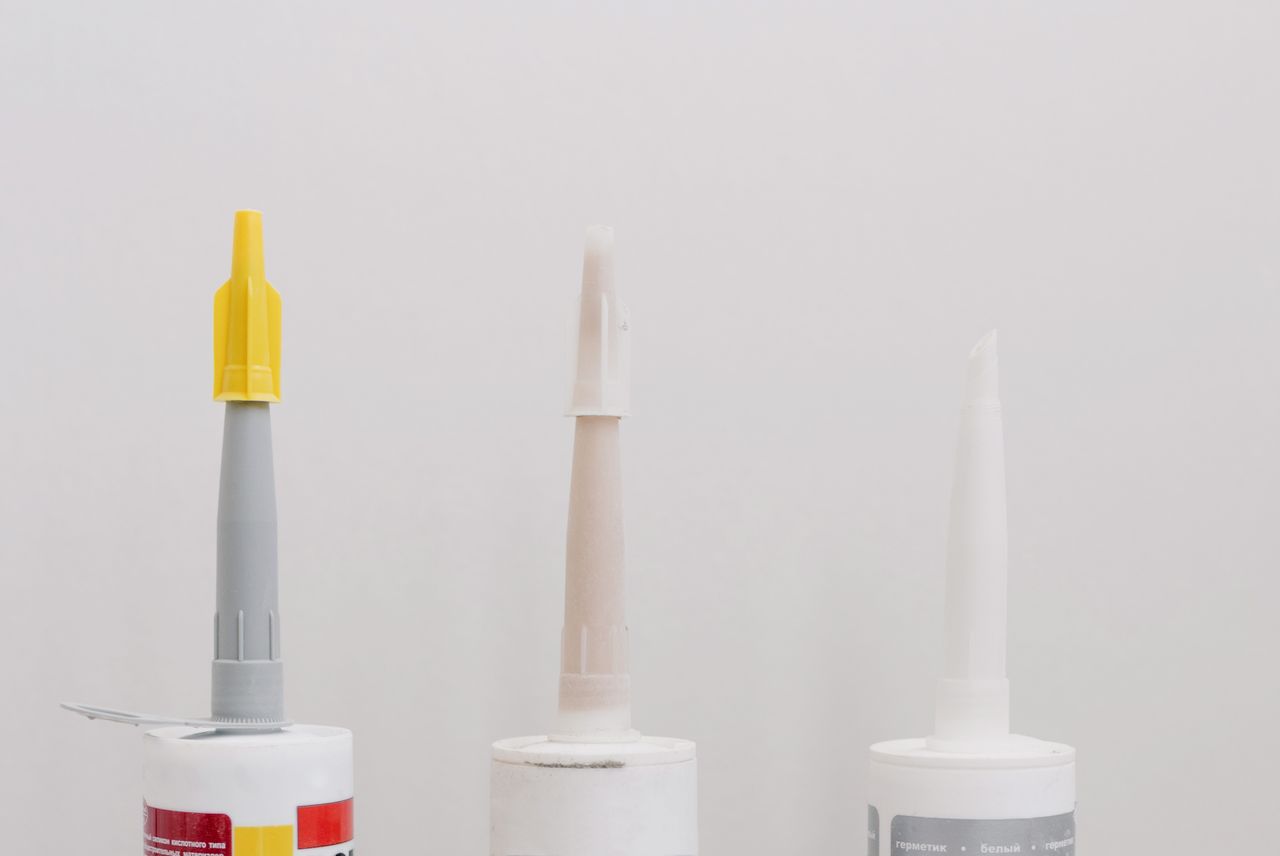
Building Long-Lasting Bonds in the Toughest Wet Zones
High-moisture areas are where weak products get exposed fast. Bathrooms, commercial kitchens, façades, cold rooms, and wastewater zones all ask the same hard question: can this adhesive really hold up when things stay wet, dirty, and moving? When the answer is no, joints open, water sneaks in, and repairs get expensive.
This is where hybrid polymer adhesives step in. They are modern formulas that mix the strengths of silicones and polyurethanes, giving strong, flexible bonds that keep performing even when surfaces are damp or temperatures change a lot. For professional construction and industrial work, these hybrids help create joints that last instead of fail at the worst moment.
At VDB Adhesives, we focus on sealants, adhesives, foams, and related products for serious jobs. We understand that in high-moisture zones, failure is simply not an option, and every product choice needs to be made with that in mind.
What Makes High-Moisture Construction Zones so Demanding
Wet zones are tough because the moisture shows up in different ways, often all at once. You are not just dealing with the occasional splash.
Typical types of exposure include:
- Standing water around drains, floors, and ledges
- Heavy condensation on ceilings, pipes, and cold surfaces
- Strong cleaning routines with soaps and disinfectants
- Steam in showers, wash areas, and processing spaces
- Driving rain and wind on façades and exposed joints
On top of that, you often see wide temperature swings and strong UV on outdoor joints. In a cold room, you may have freezing conditions inside and warmer air outside the wall. Outside a building, dark metal frames can heat up in the sun while surrounding masonry stays cooler. All of this means constant movement.
That movement is what slowly breaks poor joints. Substrates expand and contract at different rates, especially when they mix materials like concrete, tile, metal, glass, and plastics. Vibration from HVAC units, equipment, or traffic adds more stress. Over time, low-quality adhesives can:
- Lose adhesion and peel from one side of the joint
- Blister, bubble, or trap moisture
- Crack or split as they turn hard and brittle
- Discolor and look dirty, even when still bonded
- Support mold growth where water sits in gaps
Good material selection is about staying ahead of these problems, not patching them after they show up.
Why Hybrid Polymer Adhesives Excel in Wet Environments
Hybrid polymer adhesives are built to take what silicones and polyurethanes do well and combine those benefits in one product. In simple terms:
- From silicones, they borrow flexibility and good UV resistance
- From polyurethanes, they borrow strength, hardness, and paintability
- At the same time, they reduce common issues like high solvent content or becoming brittle over time
For high-moisture construction zones, the key performance features include:
- Rapid skin formation that helps resist washing out in early exposure
- Excellent adhesion on slightly damp, non-porous, and many porous surfaces
- Low shrinkage, so joints stay filled instead of pulling away
- Permanent elasticity, so they can move with the joint for years
- Good resistance to water, many cleaners, and mild chemicals
On site, this brings some very practical advantages. Contractors can work in varying humidity and still expect reliable curing. One product can often bond and seal, cutting down the number of cartridges needed on a cart. Hybrids also typically stick well to difficult substrates where traditional products might struggle, which is a big plus in complex builds.
When you bring all this together, hybrid polymer adhesives become a strong option for showers, wash bays, façades, plant rooms, and processing areas where conditions are far from gentle.
Key Criteria for Selecting Hybrids in Wet Zone Projects
Not every hybrid product is right for every wet job. Matching the formula to the exposure is what protects the long-term bond.
First, think clearly about the moisture and chemical load:
- Chlorinated zones like pool surrounds and spa areas
- Food-processing wash-down zones with frequent cleaning
- Sanitary spaces such as showers, locker rooms, and toilets
- Outdoor joints that see rain, UV, and temperature swings
Higher chemical loads or regular disinfection may call for hybrids with better resistance to cleaners and repeated washing.
Next, consider the substrates you are bonding or sealing. Common surfaces include:
- Concrete, screed, and masonry
- Ceramic tiles and natural stone
- Glass and glazing frames
- Metals like stainless steel, aluminum, and coated steel
- PVC and other plastics
- Composite panels and coated boards
Always check technical data sheets for compatibility and recommended primers. On critical projects, simple adhesion tests on site are worth the small extra effort, especially when combining multiple materials in one joint.
Joint design and movement are just as important. Ask:
- How wide is the joint and how much can it move?
- Is there regular vibration from equipment or traffic?
- What thermal expansion is expected across the seasons?
Where movement is large, prioritize elasticity and the right joint dimensions with a proper backing material. Where you need more stiffness or structural help, choose a hybrid that leans toward higher strength, and design the joint so it can still move without tearing the bond.
Application Best Practices That Prevent Premature Failure
Even the best hybrid polymer adhesives will struggle if application is rushed or surfaces are poorly prepared.
Surface preparation basics include:
- Remove dust, loose material, and old sealant
- Clean grease, oil, and soap films with the right cleaner
- Let surfaces dry as much as practical
- On slightly damp mineral substrates, confirm if the chosen hybrid allows that condition
- Use primers when recommended for tricky or porous surfaces
Correct handling and joint filling also matter. Pay attention to:
- The right bead size, matching joint width and depth
- Using backer rods or other backfilling materials where needed
- Tooling the bead before skin forms, for good contact with both sides
- Respecting open time and skin time, which can shorten in high humidity
Site conditions and curing are often where wet-area jobs get into trouble. Hybrids generally like moderate temperatures, decent ventilation, and limited water contact in early cure. Direct water spray, cleaning, or flooding too soon can weaken the bond. Planning work so fresh joints are protected, even with simple barriers or covers, helps preserve the final performance.
How VDB Hybrid Solutions Support Reliable Wet Zone Builds
Hybrid polymer adhesives from VDB Adhesives are developed for real construction and industrial environments, where moisture and movement are part of daily life. Typical uses in high-moisture zones include façade expansion joints, sanitary room connections, cold storage panel joints, HVAC penetrations, and sealing around industrial process equipment.
We support specifiers and contractors with:
- Guidance on choosing the right hybrid for each exposure level
- Advice on substrate testing and simple on-site adhesion checks
- Recommendations on joint design for both new builds and refurb work
- Practical tips on sequencing tasks so curing conditions stay favorable
By bringing us into project planning early, you can match a specific hybrid solution to each wet zone, reduce the risk of callbacks, and protect the appearance and function of the build over its full life.
Get Started With Your Project Today
If you are ready to improve performance and reliability in your assemblies, explore our hybrid polymer adhesives tailored to demanding applications. At VDB Adhesives, we work closely with you to align bond strength, flexibility, and curing profiles with your production requirements. Share your technical challenges and we will help you identify the right solution or a custom formulation. You can also contact us to discuss testing, specifications, and next steps for your project.