 English
  Nederlands
  Français
  Deutsch
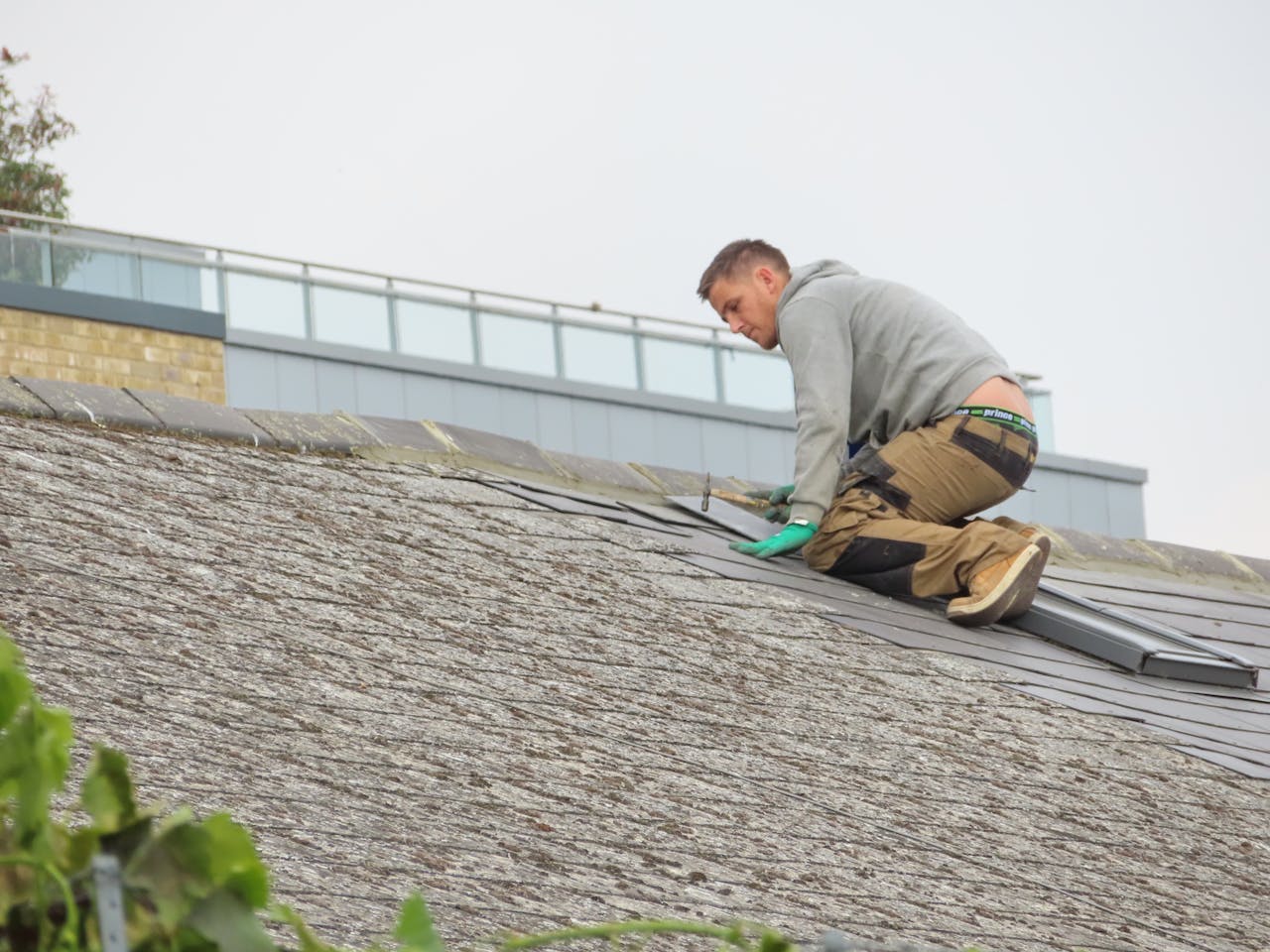
As spring settles in across Belgium, it’s a good time to plan larger outdoor projects like roofing work. Sunnier days and more predictable weather make this season ideal for membrane installations, but they also bring new things to think about. A warmer surface might seem like a small detail, but it has a big effect on how roofing membrane adhesive performs.
Getting things right from the start makes all the difference. That includes a clean, dry surface, materials that have been handled with care, and a steady pace during application. Prep work in these warmer months isn’t just helpful, it’s one of the main ways we avoid issues as the summer heat rises.
Checking Surface and Weather Conditions Before Starting
No matter the season, the surface of the roof has to be ready. We never want to start applying adhesive onto a damp or dusty area, especially when the goal is a tight and lasting bond. In spring, early mornings can bring dew or leftover moisture from an overnight shower. Even mild humidity hangs in the air longer, and that can throw the whole process off.
Here’s what we check before getting started:
- Surfaces must be clean and dry with no oil, dirt, or loose materials
- Morning and late afternoon humidity in Belgium can extend drying times, best to test first before applying
- Forecasts must show no chance of rain for at least 24 hours after installation
Missing any of these steps can mean uneven drying, bubbling, or weak edges that won’t hold through a hot day. We’re careful to check every surface closely so nothing gets sealed while it’s still damp underneath.
Storing and Handling Adhesive Materials On-Site
Roofing membrane adhesive behaves differently when it’s been sitting in heat. If it’s left in direct sun or in a warm van all morning, it can start to thicken or flow unevenly once applied. That change may not be obvious at first, but it can make bonding tricky and shorten working time.
To keep materials in shape, we follow basic handling rules:
- Store adhesive in a shaded, dry area away from direct sunlight
- Avoid leaving products on rooftops or in vehicles during the hottest part of the day
- Rotate products regularly and check dates for freshness and exposure warning signs
It might take a little extra effort, but we’d rather carry a few more items up to the roof than risk using something that’s already lost performance. When adhesive is stored and handled right, the work on the roof becomes more predictable and clean. Good prep on the ground saves major effort once we’re up high and getting to work.
Timing Application for the Best Results
Once everything is prepped, timing becomes one of the most important steps. Applying roofing membrane adhesive isn’t about doing the job quickly, it’s about doing it when conditions are steady. Midday can bring high roof deck temperatures that cause the adhesive to begin setting before full contact is made. That can lead to bubbles or weak spots right near the edges.
We aim for application windows where things are consistent:
- Temperature must be above the product’s minimum requirement, but not near peak daytime heat
- Avoid applying under strong sun or hot metal flashing that might speed up drying too much
- Keep a steady pace when spreading, and complete sections fully to prevent staggered cures
A clean bond depends on even spread and contact, which is why we avoid rushing no matter how nice the weather might be. A well-timed job leaves less to fix later on. Not only does this avoid problems with early setting, but it also helps the finished result last longer through the summer weather.
Tools, Safety, and Site Organisation in the Warm Season
When the temperature climbs, tools and setup matter just as much as the materials themselves. Warm adhesive will start to grab quickly, and having to stop to fix a nozzle or clean a blade only makes things harder.
Here’s how we stay ready in spring and early summer:
- Keep application tools clean and close at hand so there’s no delay once adhesive is opened
- Wear proper gear including gloves, safety glasses, and breathable work clothing
- Stay well hydrated and organise the work area to limit the time spent standing on hot, open surfaces
We plan paths across the roof so we’re not backtracking or retracing steps. A little planning for movement makes the process smoother and keeps sites safer. Good layout helps avoid stepping into a still-setting adhesive area or wasting time. We check equipment regularly and keep it out of direct sun when not in use.
VDB Adhesives offers roofing membrane adhesives engineered for compatibility with a broad range of substrates including bituminous membranes, insulation boards, and synthetic underlays. Our products are designed for secure bonds on flat and sloped roofs, helping professionals minimise installation errors and weather-related risks during seasonal application.
Trouble Signs to Watch During Hot-Weather Application
Even with the best prep, warmer days bring their own challenges. One of the first things we watch for is how quickly the adhesive starts to set once it touches the surface. If it begins curing before the membrane settles into place, that often means weak spots will follow.
Common signs include:
- Skinning or drying on open adhesive before full bond is made
- Edges lifting or not sealing completely
- Air bubbles showing up under the membrane
We’ve learned not to wait when these signs appear. If there’s any sign the adhesive is skimming over or pulling back too quickly, we adjust straight away. Applying better pressure or readjusting sections while the adhesive is still soft can save the job. The longer we wait, the harder it is to blend new material without affecting the line. Taking quick action at the first sign of trouble helps ensure an even, resilient bond.
Building Strong Roof Bonds That Last Through Summer
Spring and early summer give us the best window to apply roofing membrane adhesive. There’s less risk from freezing nights or unpredictable storms, and with fewer delays, we can move across a site more efficiently. Still, none of that guarantees a durable result unless we work with the weather, not against it.
Reliable bonds come down to a few core habits. When we keep surfaces dry, handle materials right, and apply at the right pace, we avoid many of the issues that show up once the weather turns hot and dry. Putting that care in now means fewer problems later and a roof that holds strong all season.
Achieving a strong and lasting bond on the roof goes beyond having favourable weather. The way we store, apply and manage materials influences how well the adhesive performs in the heat. At VDB Adhesives, we choose the right product for each season and surface, especially when selecting a roofing membrane adhesive designed to withstand summer temperatures. Planning your spring project? We can help you select the ideal solution for your site, reach out today to discuss your options with our team.

